
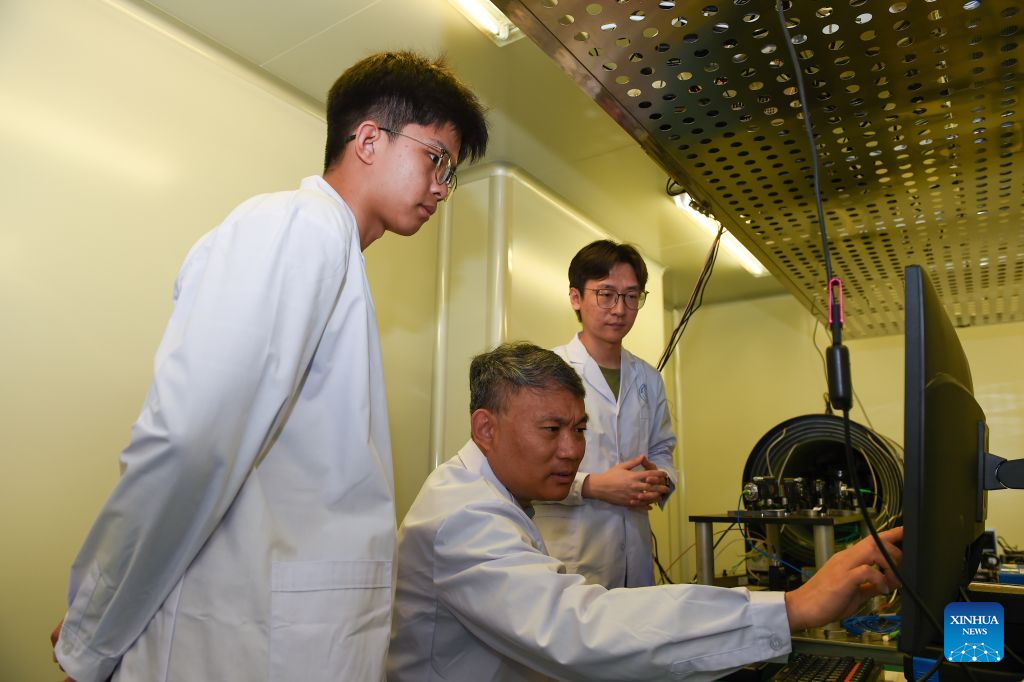
Professor Wang Yanzhang (C) discusses with doctoral students at a laboratory of Jilin University in Changchun, northeast China's Jilin Province, Sept. 8, 2026. Professor Wang Yanzhang, the executive deputy director of the State Key Laboratory of Deep Earth Exploration and Imaging at Jilin University, and his team have been deeply engaged in the field of deep Earth exploration for over a decade.
The team has developed an integrated exploration system combining airborne electromagnetic surveying with SERF magnetometry. Their self-developed helicopter-borne electromagnetic equipment acts like a "CT scanner for the Earth," revealing underground geological structures, while SERF magnetometers detect minute variations in the Earth's magnetic field. Together, the technologies make underground rock formations, mineral resources and geological hazards measurable and visible.
Since 2021, the team has conducted airborne exploration in various areas of Xinjiang Uygur Autonomous Region and Qinghai Province, acquiring subsurface geological information by penetrating ground surface to depths of over one kilometer. The technological advances have significantly enhanced the efficiency, depth and precision of deep resource exploration in China. (Xinhua/Zhang Nan)
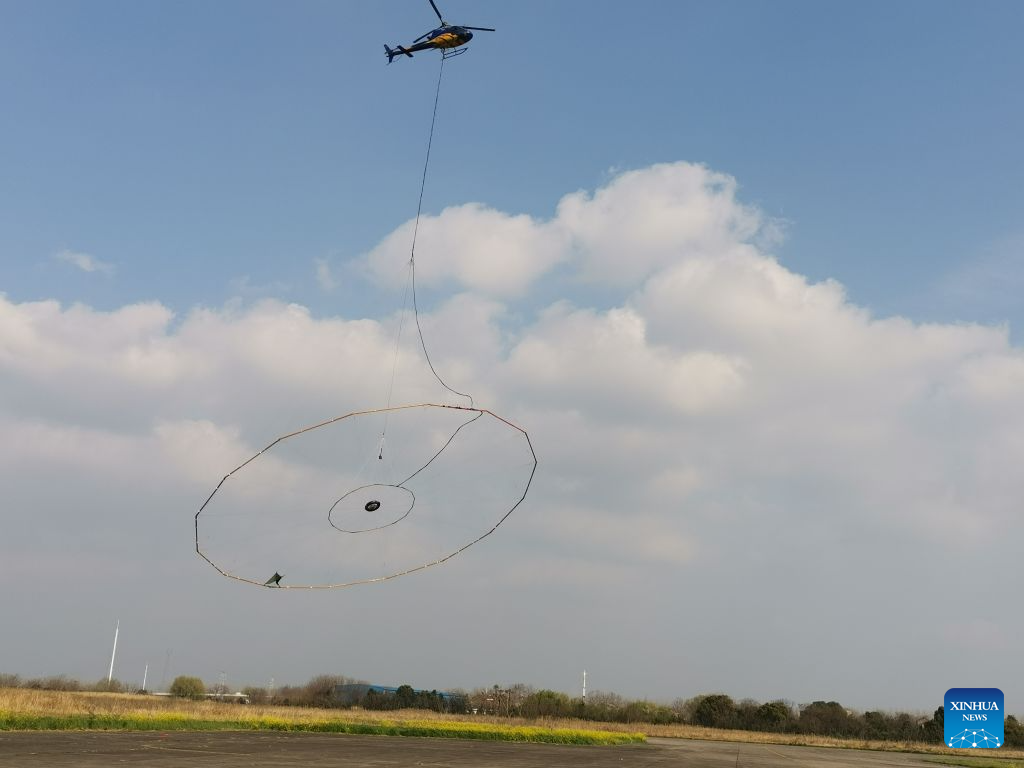
This photo taken on March 3, 2021 shows a helicopter-borne transient electromagnetic system designed by a research team at Jilin University in operation in Jingzhou, central China's Hubei Province.(Xinhua)
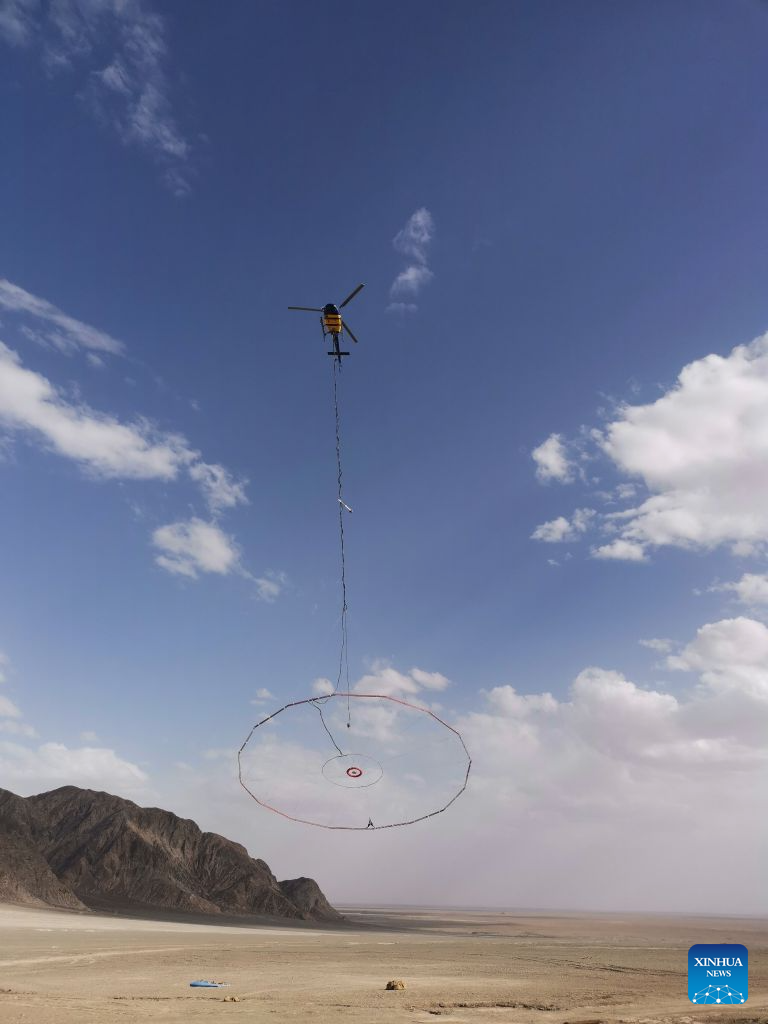
This photo taken on June 27, 2024 shows a helicopter-borne transient electromagnetic system designed by a research team at Jilin University in operation in Mangya, northwest China's Qinghai Province.(Xinhua)
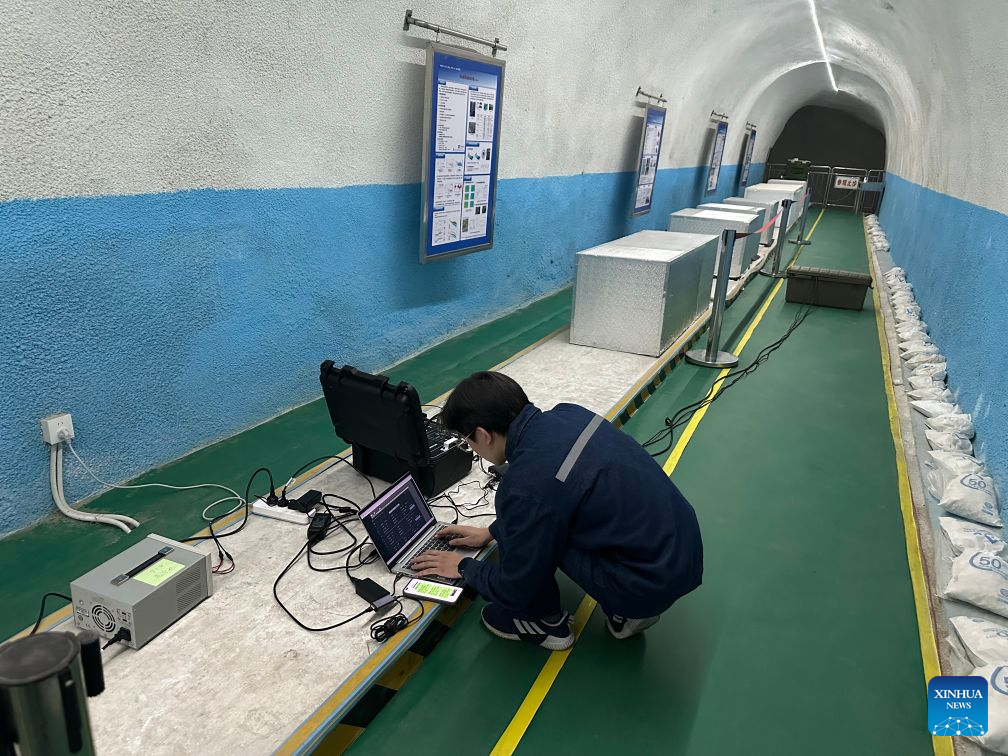
Zhou Yuanrui, a doctoral student at Jilin University, debugs an unshielded SERF atomic magnetometer at a deep earth laboratory in Taishan, east China's Shandong Province, April 24, 2025. (Xinhua)
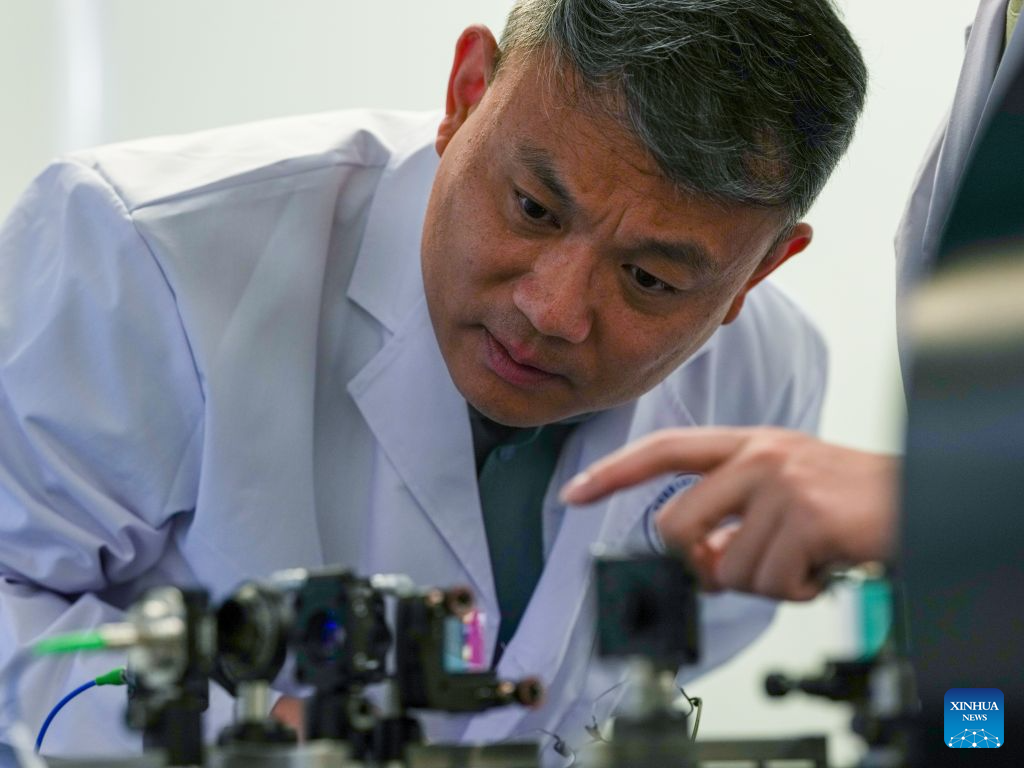
Professor Wang Yanzhang examines the optical path structure of a SERF atomic magnetometer at a laboratory of Jilin University in Changchun, northeast China's Jilin Province, Sept. 8, 2026.(Xinhua/Zhang Nan)
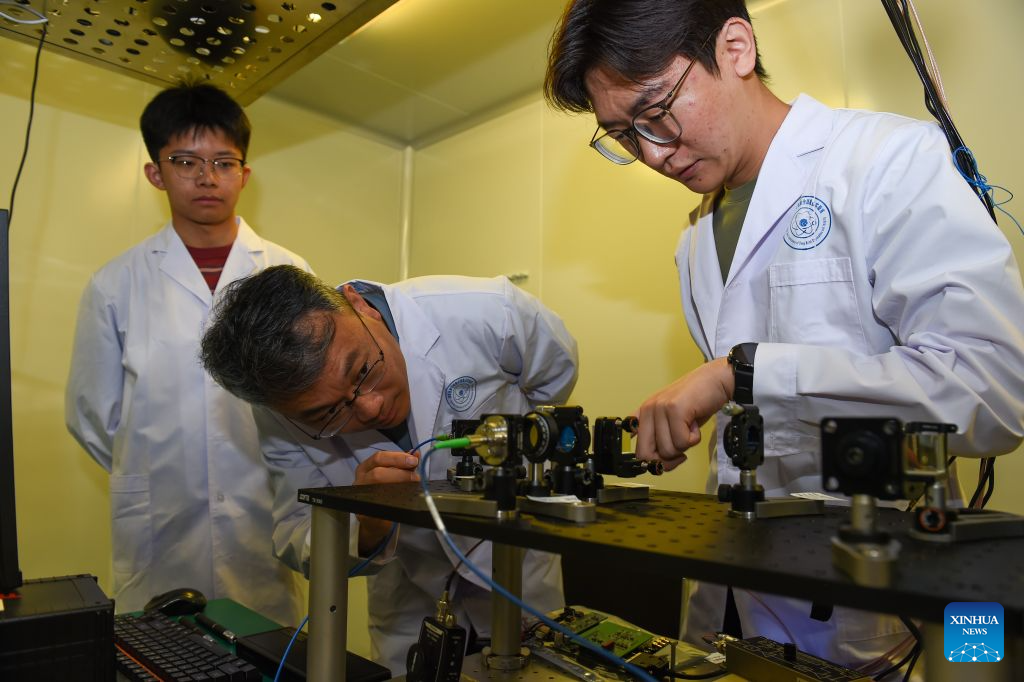
Professor Wang Yanzhang (C) instructs doctoral students to adjust the optical path of a SERF atomic magnetometer at a laboratory of Jilin University in Changchun, northeast China's Jilin Province, Sept. 8, 2026.(Xinhua/Zhang Nan)
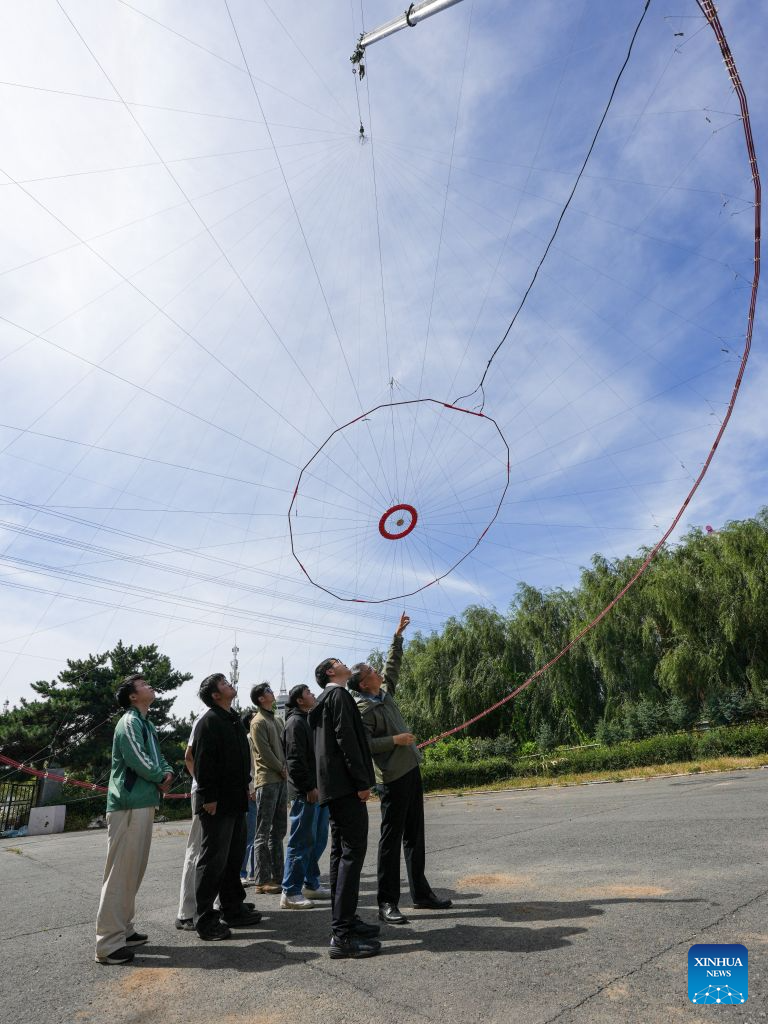
Professor Wang Yanzhang (1st R) instructs team members to adjust the helicopter-borne transient electromagnetic coil at a laboratory of Jilin University in Changchun, northeast China's Jilin Province, Sept. 8, 2026.(Xinhua/Zhang Nan)
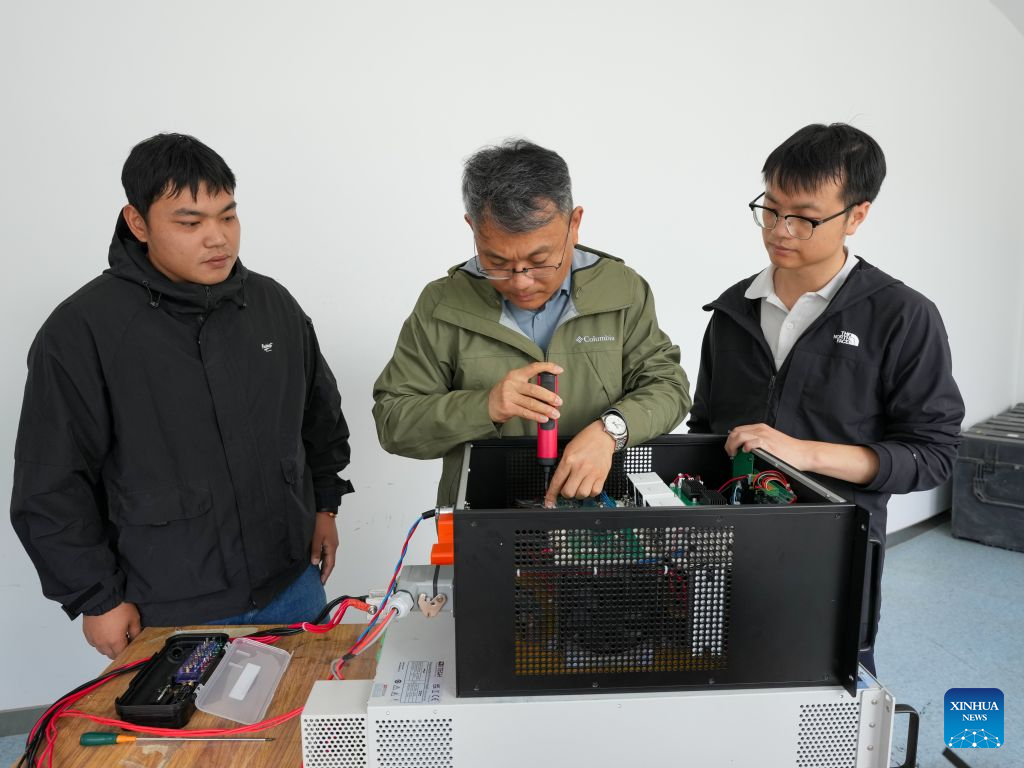
Professor Wang Yanzhang (C) instructs a doctoral student and a postdoctoral fellow to debug an electromagnetic transmitter at a laboratory of Jilin University in Changchun, northeast China's Jilin Province, Sept. 8, 2026.(Xinhua/Zhang Nan)
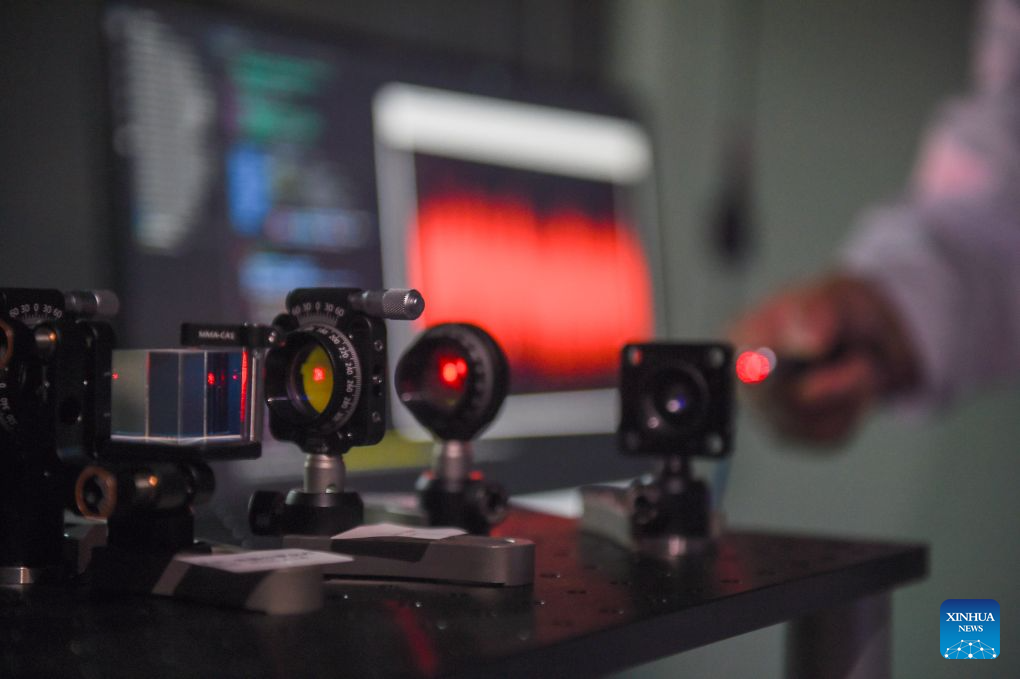
Professor Wang Yanzhang instructs students to calibrate the optical path of a SERF atomic magnetometer at a laboratory of Jilin University in Changchun, northeast China's Jilin Province, Sept. 8, 2026.(Xinhua/Zhang Nan)
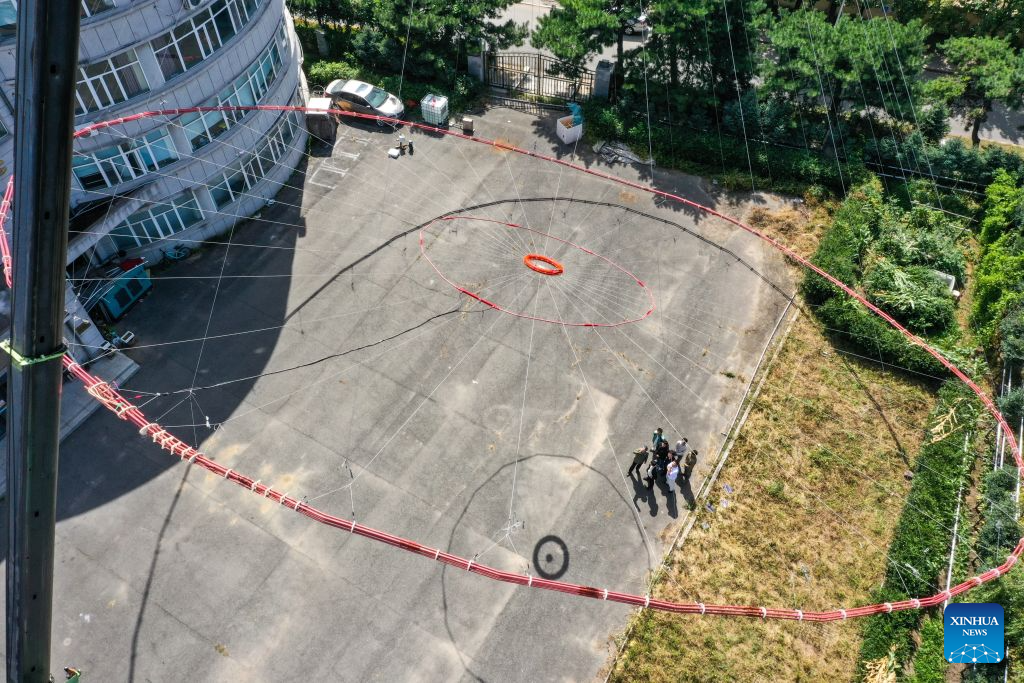
An aerial drone photo taken on Sept. 8, 2026 shows professor Wang Yanzhang (1st L) instructing team members to adjust the helicopter-borne transient electromagnetic coil at a laboratory of Jilin University in Changchun, northeast China's Jilin Province.(Xinhua/Zhang Nan)
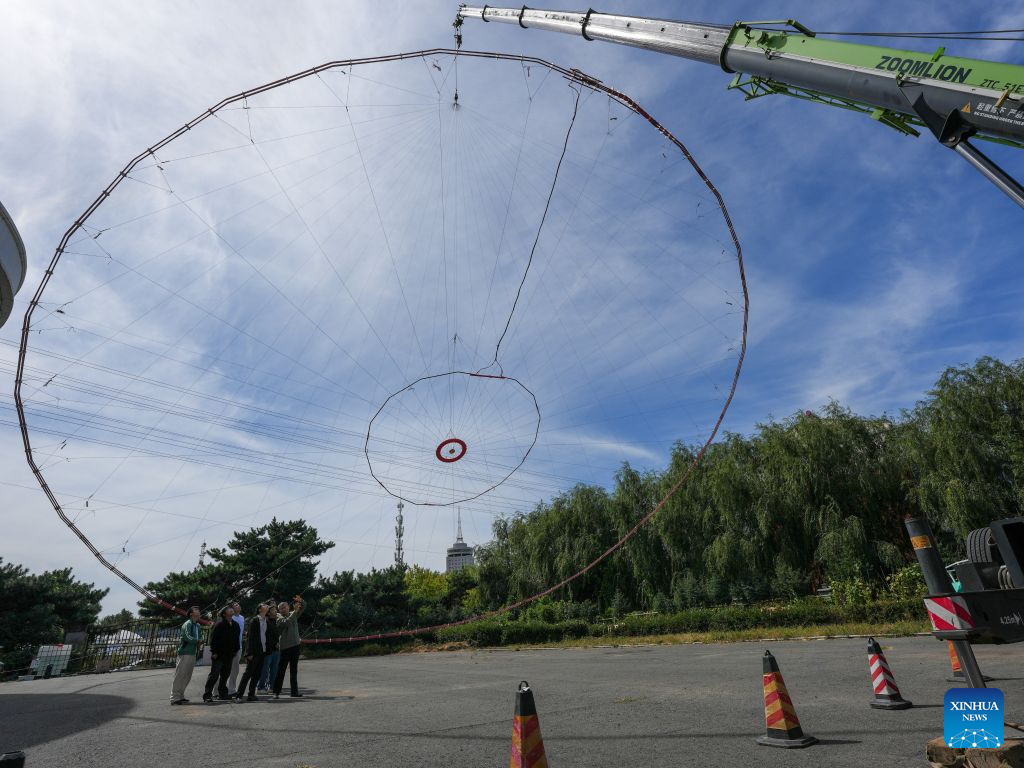
Professor Wang Yanzhang (1st R) instructs team members to adjust the helicopter-borne transient electromagnetic coil at a laboratory of Jilin University in Changchun, northeast China's Jilin Province, Sept. 8, 2026.(Xinhua/Zhang Nan)


