

A Chinese egret flies over the Changshan Archipelago in Dalian, northeast China's Liaoning Province, July 29, 2026. On Monday, the 48th session of the UNESCO World Heritage Committee in Busan, the Republic of Korea, approved the boundary modification of the Migratory Bird Sanctuaries along the Coast of Yellow Sea-Bohai Gulf of China, officially incorporating the Changshan Archipelago into the World Heritage list.
This marks another expansion of the World Natural Heritage site following its previous expansion in 2024, further improving the integrity of the migratory bird sanctuaries series, according to the National Forestry and Grassland Administration.
The Changshan Archipelago in Dalian, northeast China's Liaoning Province, sits on the only sea route of the East Asian-Australasian Flyway, and it serves as a critical energy supply stop for tens of millions of migratory birds during their cross-Bohai Sea migration.
The newly added heritage section covers more than 4,900 hectares. The region is rich in biological resources, with over 140 recorded bird species. (Xinhua/Pan Yulong)
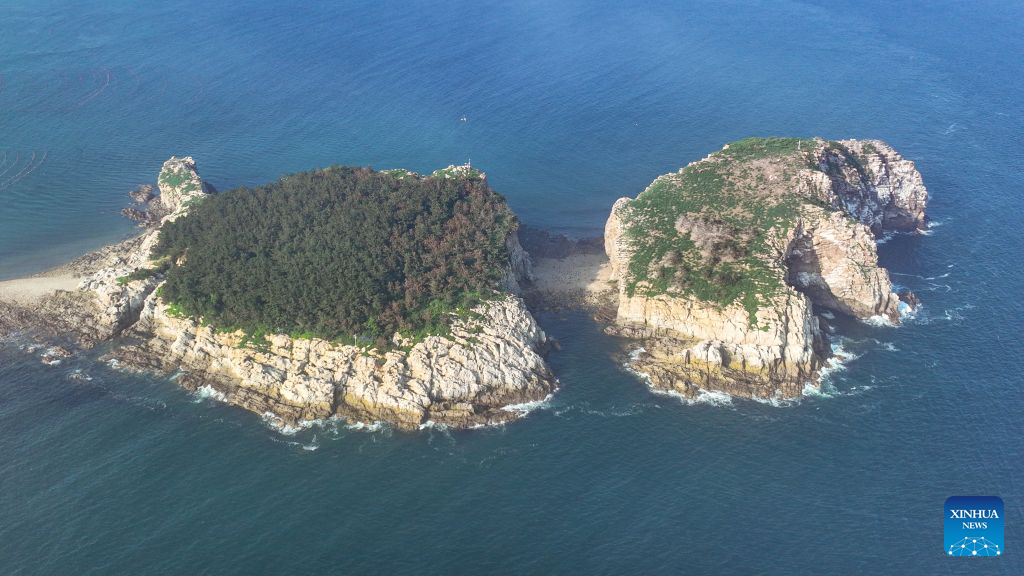
An aerial drone photo shows part of the Changshan Archipelago in Dalian, northeast China's Liaoning Province, July 28, 2026. On Monday, the 48th session of the UNESCO World Heritage Committee in Busan, the Republic of Korea, approved the boundary modification of the Migratory Bird Sanctuaries along the Coast of Yellow Sea-Bohai Gulf of China, officially incorporating the Changshan Archipelago into the World Heritage list.
This marks another expansion of the World Natural Heritage site following its previous expansion in 2024, further improving the integrity of the migratory bird sanctuaries series, according to the National Forestry and Grassland Administration.
The Changshan Archipelago in Dalian, northeast China's Liaoning Province, sits on the only sea route of the East Asian-Australasian Flyway, and it serves as a critical energy supply stop for tens of millions of migratory birds during their cross-Bohai Sea migration.
The newly added heritage section covers more than 4,900 hectares. The region is rich in biological resources, with over 140 recorded bird species. (Xinhua/Pan Yulong)

A cormorant flies over the Changshan Archipelago in Dalian, northeast China's Liaoning Province, July 29, 2026. On Monday, the 48th session of the UNESCO World Heritage Committee in Busan, the Republic of Korea, approved the boundary modification of the Migratory Bird Sanctuaries along the Coast of Yellow Sea-Bohai Gulf of China, officially incorporating the Changshan Archipelago into the World Heritage list.
This marks another expansion of the World Natural Heritage site following its previous expansion in 2024, further improving the integrity of the migratory bird sanctuaries series, according to the National Forestry and Grassland Administration.
The Changshan Archipelago in Dalian, northeast China's Liaoning Province, sits on the only sea route of the East Asian-Australasian Flyway, and it serves as a critical energy supply stop for tens of millions of migratory birds during their cross-Bohai Sea migration.
The newly added heritage section covers more than 4,900 hectares. The region is rich in biological resources, with over 140 recorded bird species. (Xinhua/Pan Yulong)
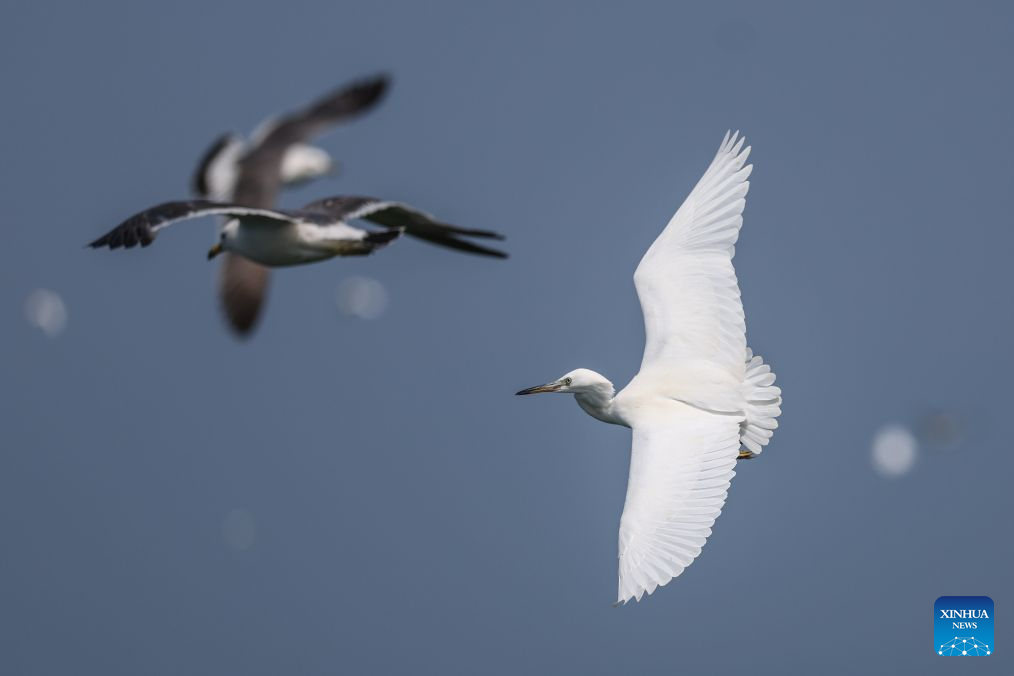
A Chinese egret (R) flies over the Changshan Archipelago in Dalian, northeast China's Liaoning Province, July 29, 2026. On Monday, the 48th session of the UNESCO World Heritage Committee in Busan, the Republic of Korea, approved the boundary modification of the Migratory Bird Sanctuaries along the Coast of Yellow Sea-Bohai Gulf of China, officially incorporating the Changshan Archipelago into the World Heritage list.
This marks another expansion of the World Natural Heritage site following its previous expansion in 2024, further improving the integrity of the migratory bird sanctuaries series, according to the National Forestry and Grassland Administration.
The Changshan Archipelago in Dalian, northeast China's Liaoning Province, sits on the only sea route of the East Asian-Australasian Flyway, and it serves as a critical energy supply stop for tens of millions of migratory birds during their cross-Bohai Sea migration.
The newly added heritage section covers more than 4,900 hectares. The region is rich in biological resources, with over 140 recorded bird species. (Xinhua/Pan Yulong)

An aerial drone photo shows part of the Changshan Archipelago in Dalian, northeast China's Liaoning Province, July 28, 2026. On Monday, the 48th session of the UNESCO World Heritage Committee in Busan, the Republic of Korea, approved the boundary modification of the Migratory Bird Sanctuaries along the Coast of Yellow Sea-Bohai Gulf of China, officially incorporating the Changshan Archipelago into the World Heritage list.
This marks another expansion of the World Natural Heritage site following its previous expansion in 2024, further improving the integrity of the migratory bird sanctuaries series, according to the National Forestry and Grassland Administration.
The Changshan Archipelago in Dalian, northeast China's Liaoning Province, sits on the only sea route of the East Asian-Australasian Flyway, and it serves as a critical energy supply stop for tens of millions of migratory birds during their cross-Bohai Sea migration.
The newly added heritage section covers more than 4,900 hectares. The region is rich in biological resources, with over 140 recorded bird species. (Xinhua/Pan Yulong)
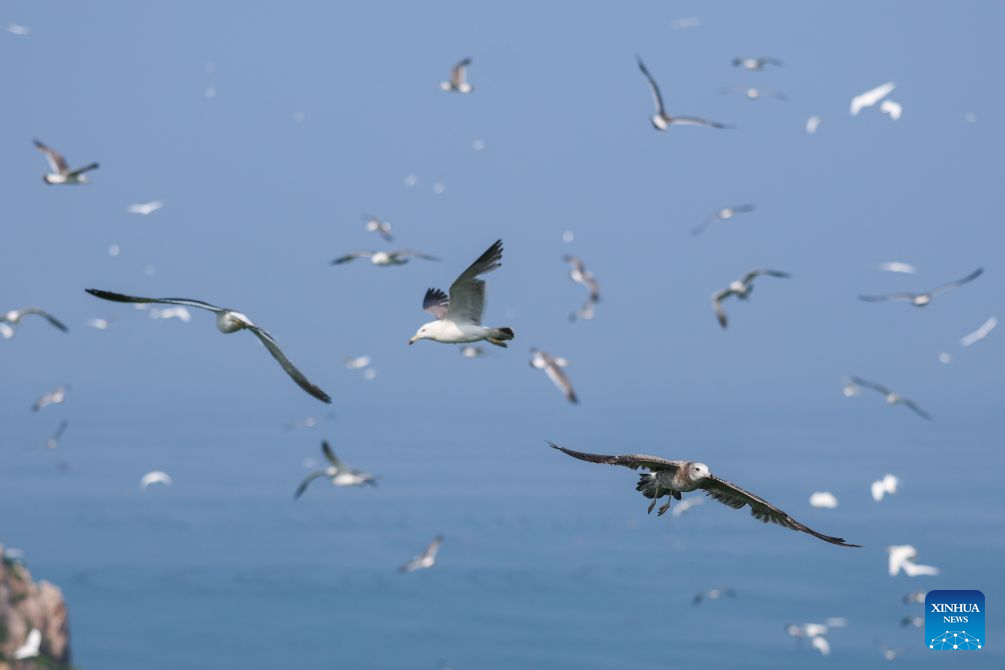
Seagulls fly over the Changshan Archipelago in Dalian, northeast China's Liaoning Province, July 29, 2026. On Monday, the 48th session of the UNESCO World Heritage Committee in Busan, the Republic of Korea, approved the boundary modification of the Migratory Bird Sanctuaries along the Coast of Yellow Sea-Bohai Gulf of China, officially incorporating the Changshan Archipelago into the World Heritage list.
This marks another expansion of the World Natural Heritage site following its previous expansion in 2024, further improving the integrity of the migratory bird sanctuaries series, according to the National Forestry and Grassland Administration.
The Changshan Archipelago in Dalian, northeast China's Liaoning Province, sits on the only sea route of the East Asian-Australasian Flyway, and it serves as a critical energy supply stop for tens of millions of migratory birds during their cross-Bohai Sea migration.
The newly added heritage section covers more than 4,900 hectares. The region is rich in biological resources, with over 140 recorded bird species. (Xinhua/Pan Yulong)
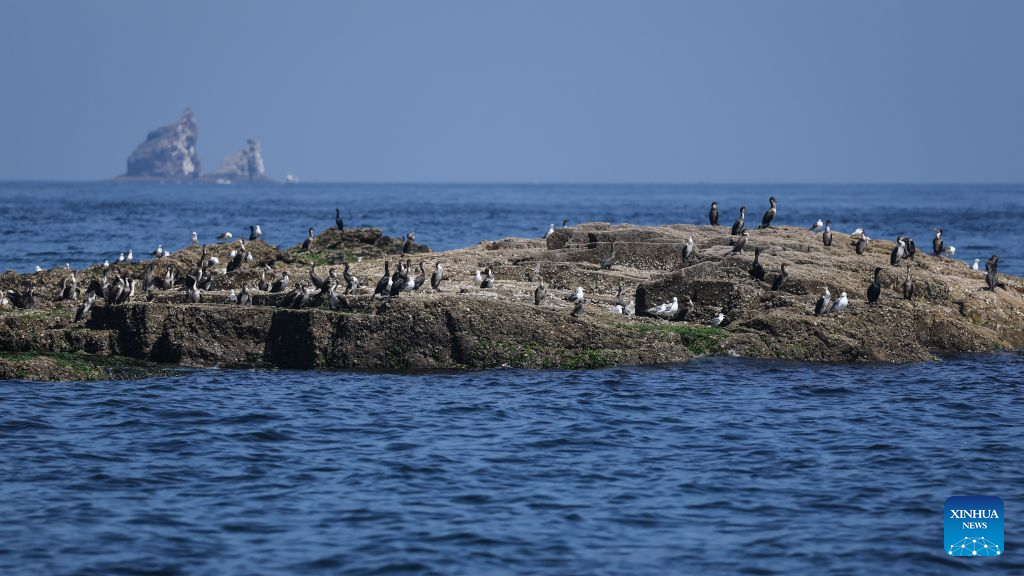
Seabirds are pictured on the Changshan Archipelago in Dalian, northeast China's Liaoning Province, July 29, 2026. On Monday, the 48th session of the UNESCO World Heritage Committee in Busan, the Republic of Korea, approved the boundary modification of the Migratory Bird Sanctuaries along the Coast of Yellow Sea-Bohai Gulf of China, officially incorporating the Changshan Archipelago into the World Heritage list.
This marks another expansion of the World Natural Heritage site following its previous expansion in 2024, further improving the integrity of the migratory bird sanctuaries series, according to the National Forestry and Grassland Administration.
The Changshan Archipelago in Dalian, northeast China's Liaoning Province, sits on the only sea route of the East Asian-Australasian Flyway, and it serves as a critical energy supply stop for tens of millions of migratory birds during their cross-Bohai Sea migration.
The newly added heritage section covers more than 4,900 hectares. The region is rich in biological resources, with over 140 recorded bird species. (Xinhua/Pan Yulong)
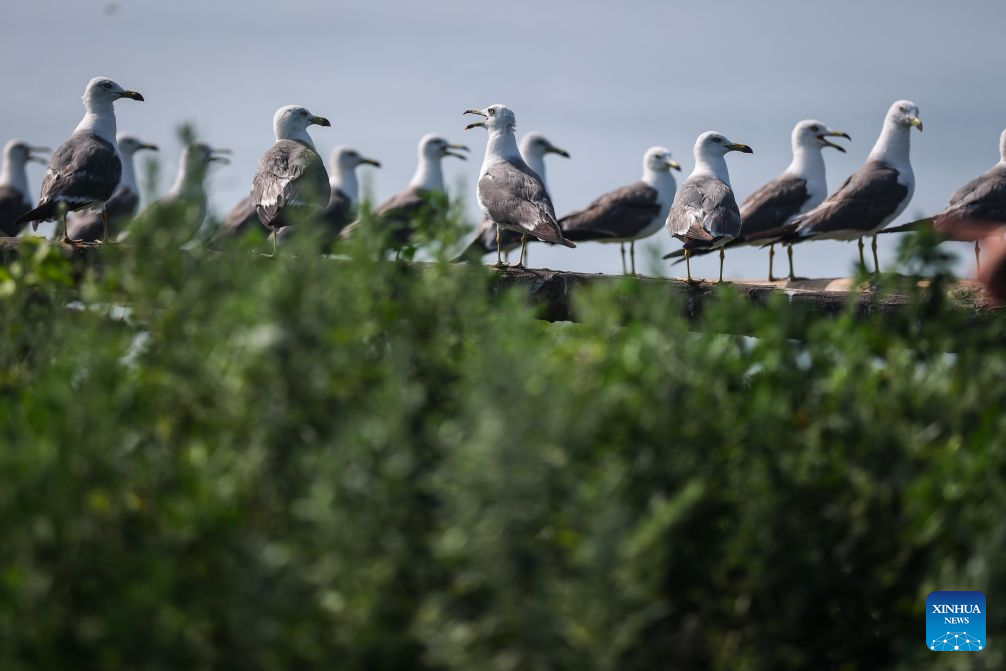
Seagulls are pictured on the Changshan Archipelago in Dalian, northeast China's Liaoning Province, July 29, 2026. On Monday, the 48th session of the UNESCO World Heritage Committee in Busan, the Republic of Korea, approved the boundary modification of the Migratory Bird Sanctuaries along the Coast of Yellow Sea-Bohai Gulf of China, officially incorporating the Changshan Archipelago into the World Heritage list.
This marks another expansion of the World Natural Heritage site following its previous expansion in 2024, further improving the integrity of the migratory bird sanctuaries series, according to the National Forestry and Grassland Administration.
The Changshan Archipelago in Dalian, northeast China's Liaoning Province, sits on the only sea route of the East Asian-Australasian Flyway, and it serves as a critical energy supply stop for tens of millions of migratory birds during their cross-Bohai Sea migration.
The newly added heritage section covers more than 4,900 hectares. The region is rich in biological resources, with over 140 recorded bird species. (Xinhua/Pan Yulong)
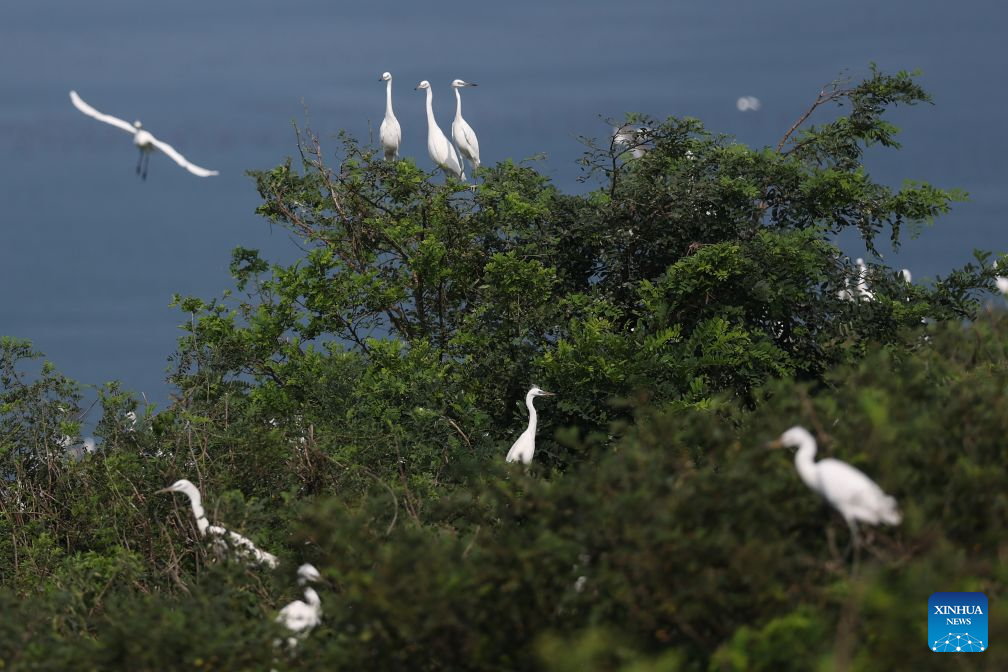
Chinese egrets are pictured on the Changshan Archipelago in Dalian, northeast China's Liaoning Province, July 29, 2026. On Monday, the 48th session of the UNESCO World Heritage Committee in Busan, the Republic of Korea, approved the boundary modification of the Migratory Bird Sanctuaries along the Coast of Yellow Sea-Bohai Gulf of China, officially incorporating the Changshan Archipelago into the World Heritage list.
This marks another expansion of the World Natural Heritage site following its previous expansion in 2024, further improving the integrity of the migratory bird sanctuaries series, according to the National Forestry and Grassland Administration.
The Changshan Archipelago in Dalian, northeast China's Liaoning Province, sits on the only sea route of the East Asian-Australasian Flyway, and it serves as a critical energy supply stop for tens of millions of migratory birds during their cross-Bohai Sea migration.
The newly added heritage section covers more than 4,900 hectares. The region is rich in biological resources, with over 140 recorded bird species. (Xinhua/Pan Yulong)
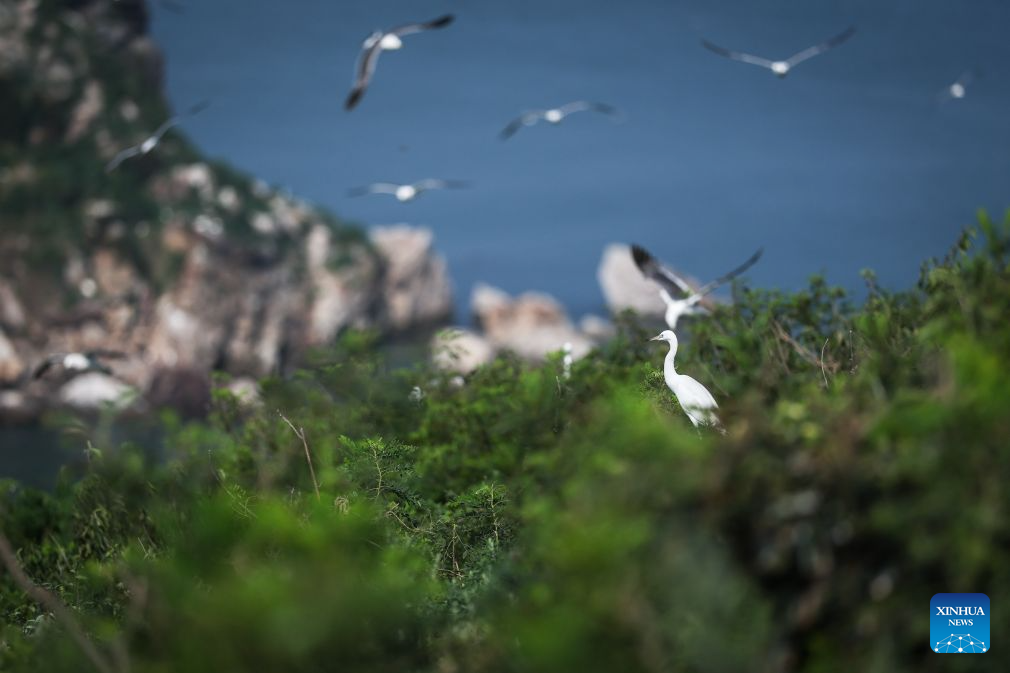
A Chinese egret is pictured on the Changshan Archipelago in Dalian, northeast China's Liaoning Province, July 29, 2026. On Monday, the 48th session of the UNESCO World Heritage Committee in Busan, the Republic of Korea, approved the boundary modification of the Migratory Bird Sanctuaries along the Coast of Yellow Sea-Bohai Gulf of China, officially incorporating the Changshan Archipelago into the World Heritage list.
This marks another expansion of the World Natural Heritage site following its previous expansion in 2024, further improving the integrity of the migratory bird sanctuaries series, according to the National Forestry and Grassland Administration.
The Changshan Archipelago in Dalian, northeast China's Liaoning Province, sits on the only sea route of the East Asian-Australasian Flyway, and it serves as a critical energy supply stop for tens of millions of migratory birds during their cross-Bohai Sea migration.
The newly added heritage section covers more than 4,900 hectares. The region is rich in biological resources, with over 140 recorded bird species. (Xinhua/Pan Yulong)
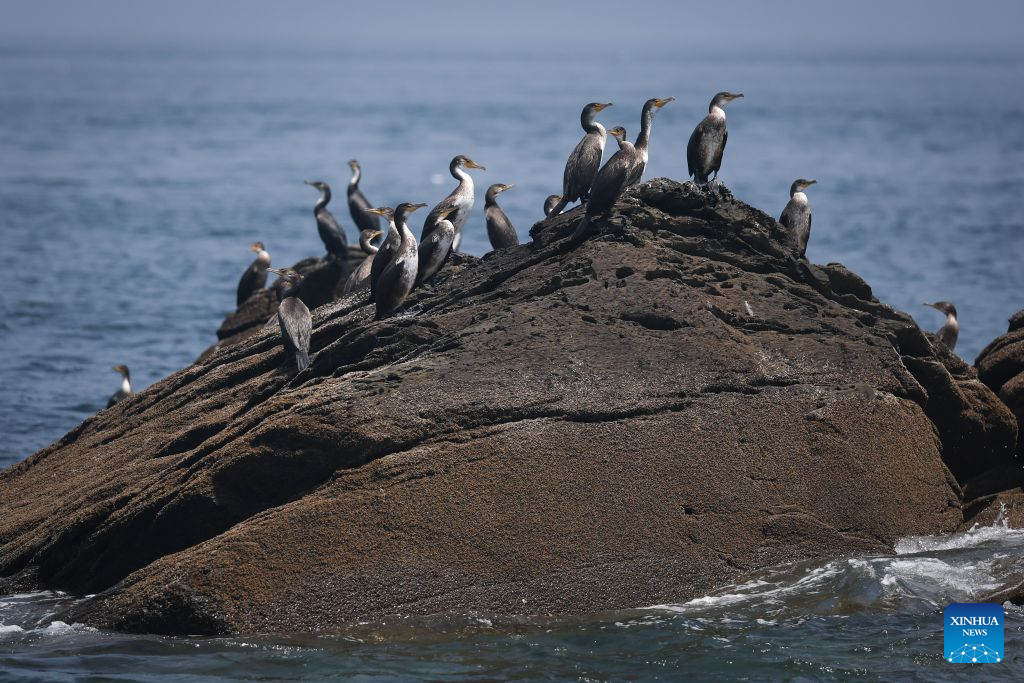
Cormorants are pictured on the Changshan Archipelago in Dalian, northeast China's Liaoning Province, July 29, 2026. On Monday, the 48th session of the UNESCO World Heritage Committee in Busan, the Republic of Korea, approved the boundary modification of the Migratory Bird Sanctuaries along the Coast of Yellow Sea-Bohai Gulf of China, officially incorporating the Changshan Archipelago into the World Heritage list.
This marks another expansion of the World Natural Heritage site following its previous expansion in 2024, further improving the integrity of the migratory bird sanctuaries series, according to the National Forestry and Grassland Administration.
The Changshan Archipelago in Dalian, northeast China's Liaoning Province, sits on the only sea route of the East Asian-Australasian Flyway, and it serves as a critical energy supply stop for tens of millions of migratory birds during their cross-Bohai Sea migration.
The newly added heritage section covers more than 4,900 hectares. The region is rich in biological resources, with over 140 recorded bird species. (Xinhua/Pan Yulong)
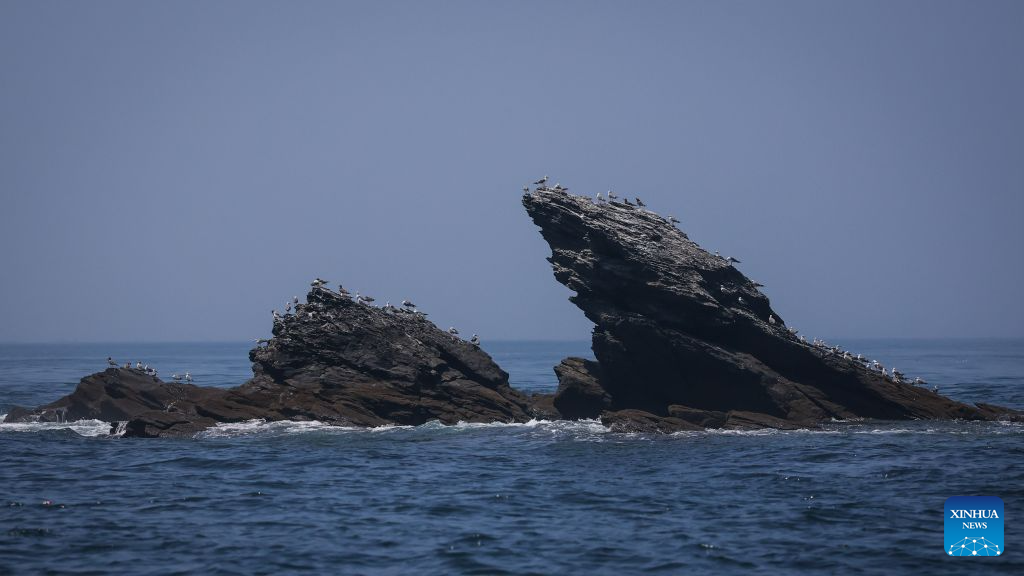
Seabirds are pictured on the Changshan Archipelago in Dalian, northeast China's Liaoning Province, July 29, 2026. On Monday, the 48th session of the UNESCO World Heritage Committee in Busan, the Republic of Korea, approved the boundary modification of the Migratory Bird Sanctuaries along the Coast of Yellow Sea-Bohai Gulf of China, officially incorporating the Changshan Archipelago into the World Heritage list.
This marks another expansion of the World Natural Heritage site following its previous expansion in 2024, further improving the integrity of the migratory bird sanctuaries series, according to the National Forestry and Grassland Administration.
The Changshan Archipelago in Dalian, northeast China's Liaoning Province, sits on the only sea route of the East Asian-Australasian Flyway, and it serves as a critical energy supply stop for tens of millions of migratory birds during their cross-Bohai Sea migration.
The newly added heritage section covers more than 4,900 hectares. The region is rich in biological resources, with over 140 recorded bird species. (Xinhua/Pan Yulong)

An aerial drone photo shows part of the Changshan Archipelago in Dalian, northeast China's Liaoning Province, July 28, 2026. On Monday, the 48th session of the UNESCO World Heritage Committee in Busan, the Republic of Korea, approved the boundary modification of the Migratory Bird Sanctuaries along the Coast of Yellow Sea-Bohai Gulf of China, officially incorporating the Changshan Archipelago into the World Heritage list.
This marks another expansion of the World Natural Heritage site following its previous expansion in 2024, further improving the integrity of the migratory bird sanctuaries series, according to the National Forestry and Grassland Administration.
The Changshan Archipelago in Dalian, northeast China's Liaoning Province, sits on the only sea route of the East Asian-Australasian Flyway, and it serves as a critical energy supply stop for tens of millions of migratory birds during their cross-Bohai Sea migration.
The newly added heritage section covers more than 4,900 hectares. The region is rich in biological resources, with over 140 recorded bird species. (Xinhua/Pan Yulong)
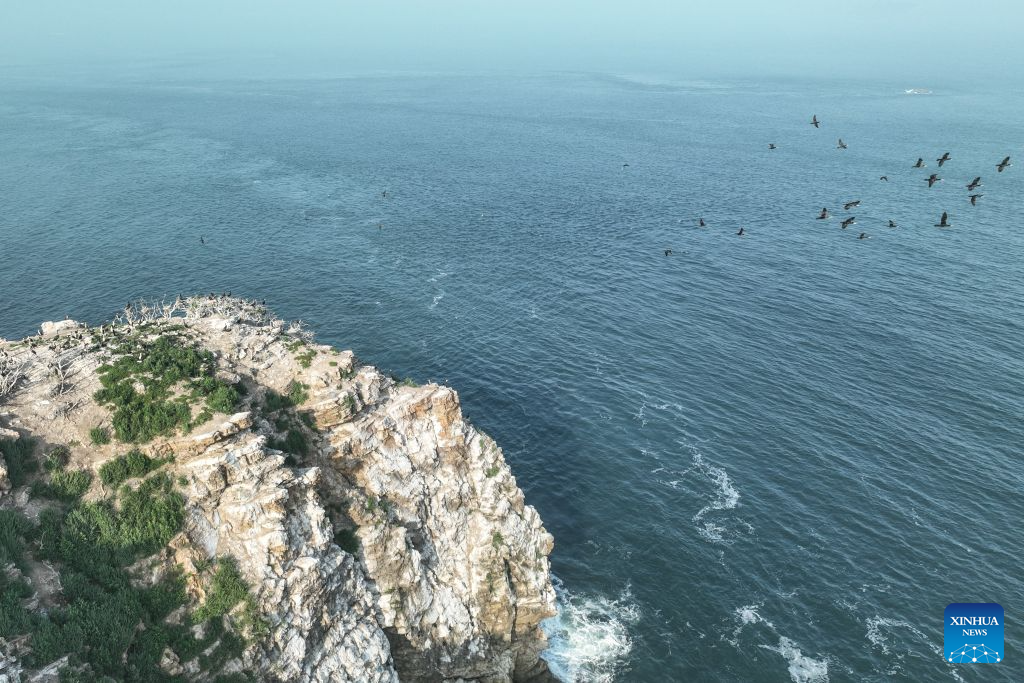
An aerial drone photo shows seabirds on the Changshan Archipelago in Dalian, northeast China's Liaoning Province, July 28, 2026. On Monday, the 48th session of the UNESCO World Heritage Committee in Busan, the Republic of Korea, approved the boundary modification of the Migratory Bird Sanctuaries along the Coast of Yellow Sea-Bohai Gulf of China, officially incorporating the Changshan Archipelago into the World Heritage list.
This marks another expansion of the World Natural Heritage site following its previous expansion in 2024, further improving the integrity of the migratory bird sanctuaries series, according to the National Forestry and Grassland Administration.
The Changshan Archipelago in Dalian, northeast China's Liaoning Province, sits on the only sea route of the East Asian-Australasian Flyway, and it serves as a critical energy supply stop for tens of millions of migratory birds during their cross-Bohai Sea migration.
The newly added heritage section covers more than 4,900 hectares. The region is rich in biological resources, with over 140 recorded bird species. (Xinhua/Pan Yulong)
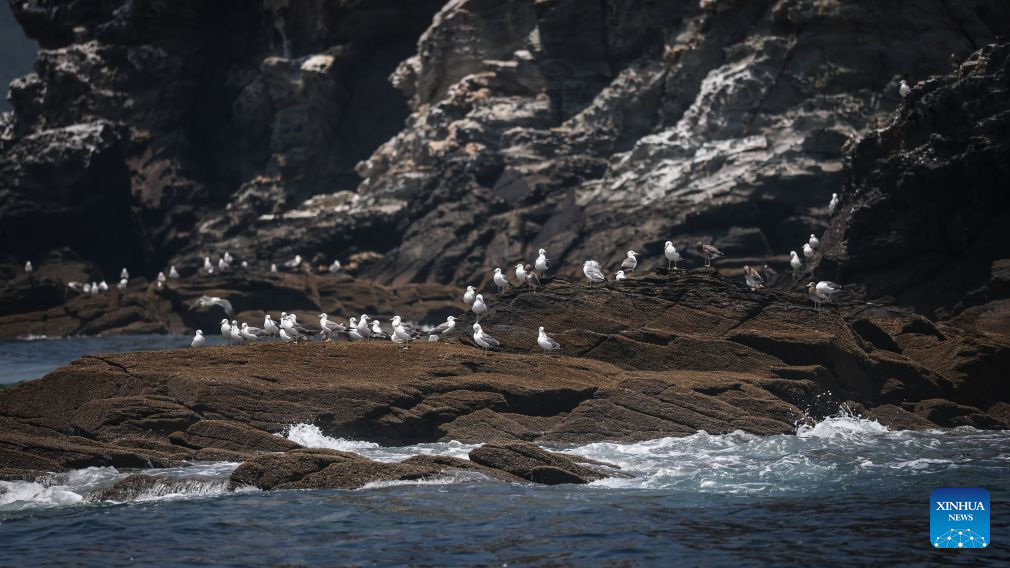
Seagulls are pictured on the Changshan Archipelago in Dalian, northeast China's Liaoning Province, July 29, 2026. On Monday, the 48th session of the UNESCO World Heritage Committee in Busan, the Republic of Korea, approved the boundary modification of the Migratory Bird Sanctuaries along the Coast of Yellow Sea-Bohai Gulf of China, officially incorporating the Changshan Archipelago into the World Heritage list.
This marks another expansion of the World Natural Heritage site following its previous expansion in 2024, further improving the integrity of the migratory bird sanctuaries series, according to the National Forestry and Grassland Administration.
The Changshan Archipelago in Dalian, northeast China's Liaoning Province, sits on the only sea route of the East Asian-Australasian Flyway, and it serves as a critical energy supply stop for tens of millions of migratory birds during their cross-Bohai Sea migration.
The newly added heritage section covers more than 4,900 hectares. The region is rich in biological resources, with over 140 recorded bird species. (Xinhua/Pan Yulong)
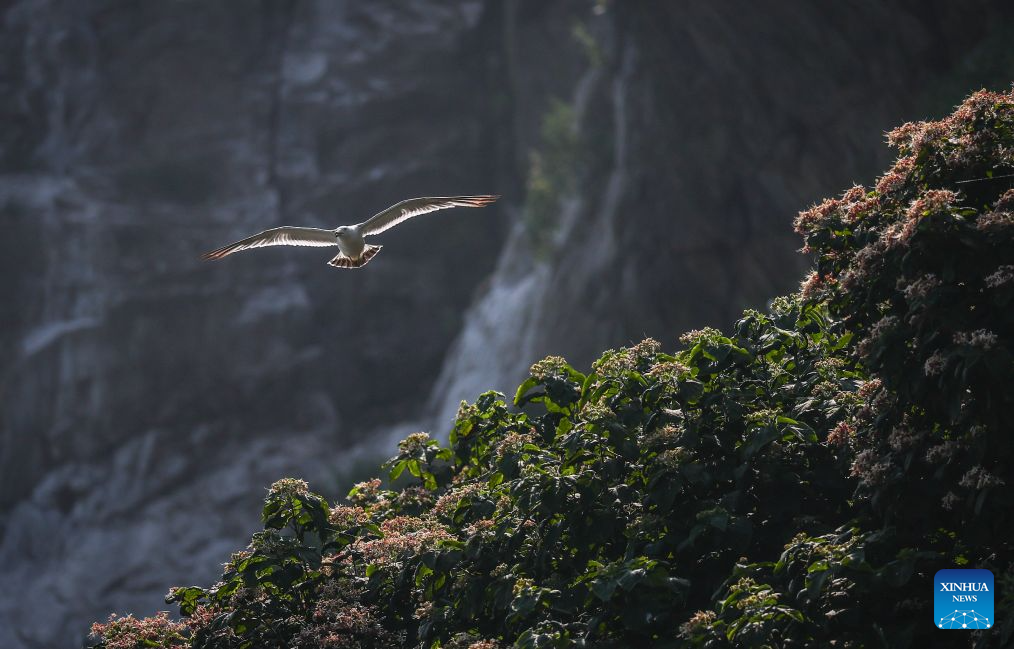
A seagull flies over the Changshan Archipelago in Dalian, northeast China's Liaoning Province, July 29, 2026. On Monday, the 48th session of the UNESCO World Heritage Committee in Busan, the Republic of Korea, approved the boundary modification of the Migratory Bird Sanctuaries along the Coast of Yellow Sea-Bohai Gulf of China, officially incorporating the Changshan Archipelago into the World Heritage list.
This marks another expansion of the World Natural Heritage site following its previous expansion in 2024, further improving the integrity of the migratory bird sanctuaries series, according to the National Forestry and Grassland Administration.
The Changshan Archipelago in Dalian, northeast China's Liaoning Province, sits on the only sea route of the East Asian-Australasian Flyway, and it serves as a critical energy supply stop for tens of millions of migratory birds during their cross-Bohai Sea migration.
The newly added heritage section covers more than 4,900 hectares. The region is rich in biological resources, with over 140 recorded bird species. (Xinhua/Pan Yulong)
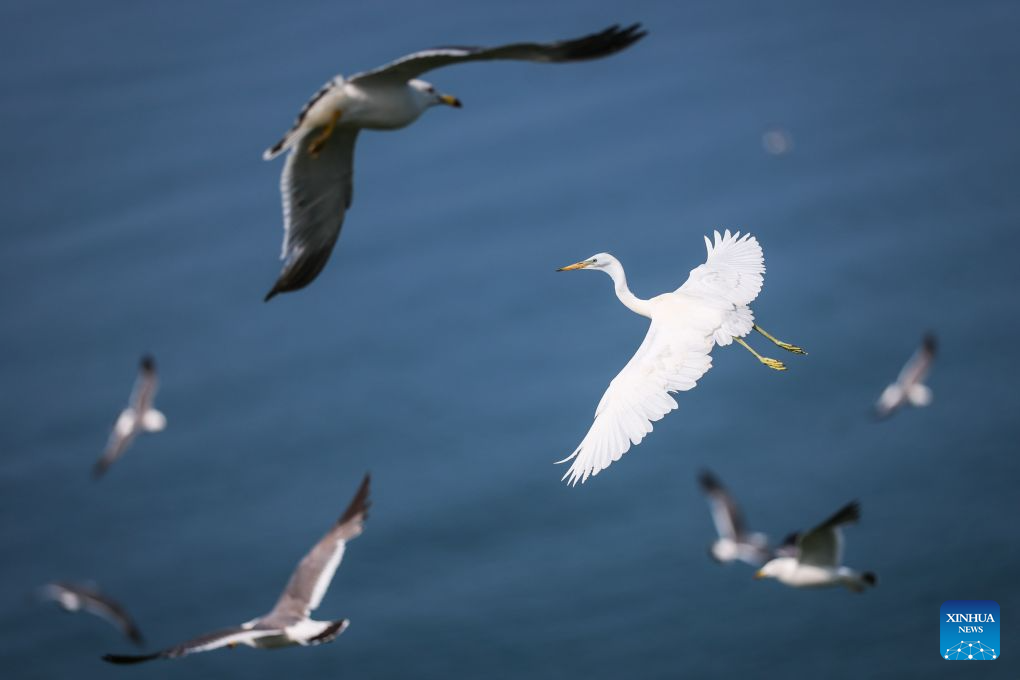
A Chinese egret flies over the Changshan Archipelago in Dalian, northeast China's Liaoning Province, July 29, 2026. On Monday, the 48th session of the UNESCO World Heritage Committee in Busan, the Republic of Korea, approved the boundary modification of the Migratory Bird Sanctuaries along the Coast of Yellow Sea-Bohai Gulf of China, officially incorporating the Changshan Archipelago into the World Heritage list.
This marks another expansion of the World Natural Heritage site following its previous expansion in 2024, further improving the integrity of the migratory bird sanctuaries series, according to the National Forestry and Grassland Administration.
The Changshan Archipelago in Dalian, northeast China's Liaoning Province, sits on the only sea route of the East Asian-Australasian Flyway, and it serves as a critical energy supply stop for tens of millions of migratory birds during their cross-Bohai Sea migration.
The newly added heritage section covers more than 4,900 hectares. The region is rich in biological resources, with over 140 recorded bird species. (Xinhua/Pan Yulong)


