
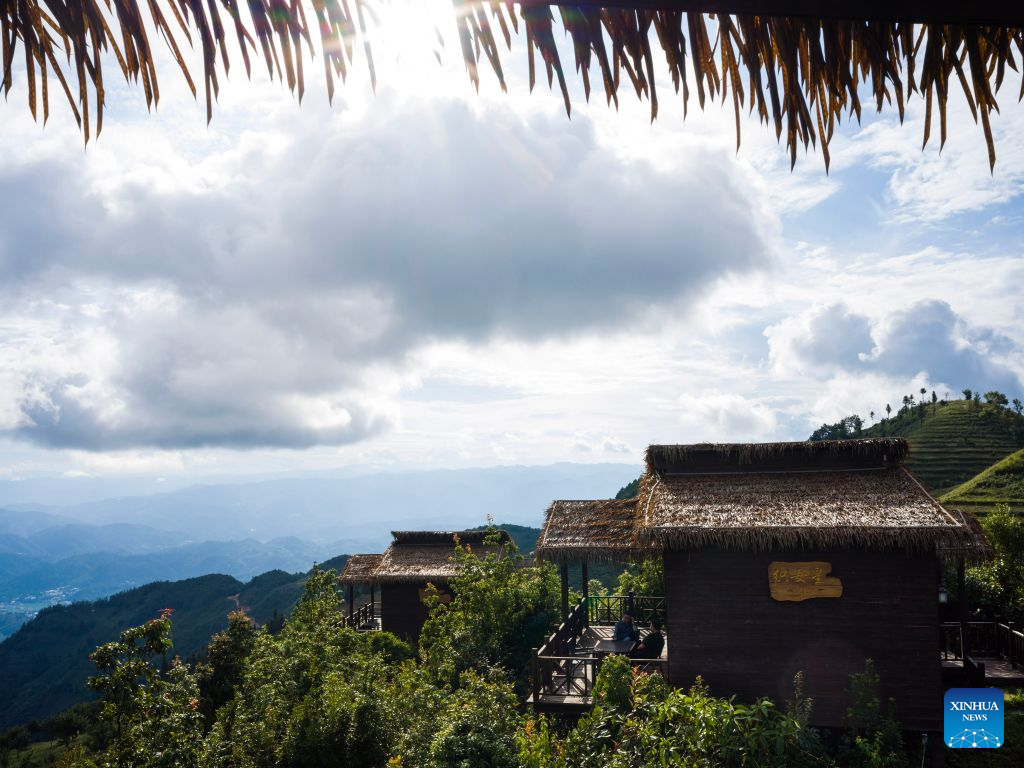
This photo taken on July 24, 2026 shows a homestay at Zhonghe Village in Mengyou Town of Fengqing County in Lincang, southwest China's Yunnan Province. Fengqing County, which boasts a long history of tea cultivation and tea production, has about 300,000 mu (about 20,000 hectares) of tea plantations, and is home to an ancient tea tree estimated to be around 3,200 years old.
The county is also featured by many historical sites, including well-preserved architectural complexes, a pagoda built in the Qing Dynasty (1644-1911), ancient water-powered mills and Lushi ancient town, an important trading hub on the ancient Tea Horse Road. (Photo by Lan Hongguang/Xinhua)

This photo taken on July 26, 2026 shows a view of Lushi ancient town in Fengqing County of Lincang, southwest China's Yunnan Province. Fengqing County, which boasts a long history of tea cultivation and tea production, has about 300,000 mu (about 20,000 hectares) of tea plantations, and is home to an ancient tea tree estimated to be around 3,200 years old.
The county is also featured by many historical sites, including well-preserved architectural complexes, a pagoda built in the Qing Dynasty (1644-1911), ancient water-powered mills and Lushi ancient town, an important trading hub on the ancient Tea Horse Road. (Photo by Lan Hongguang/Xinhua)
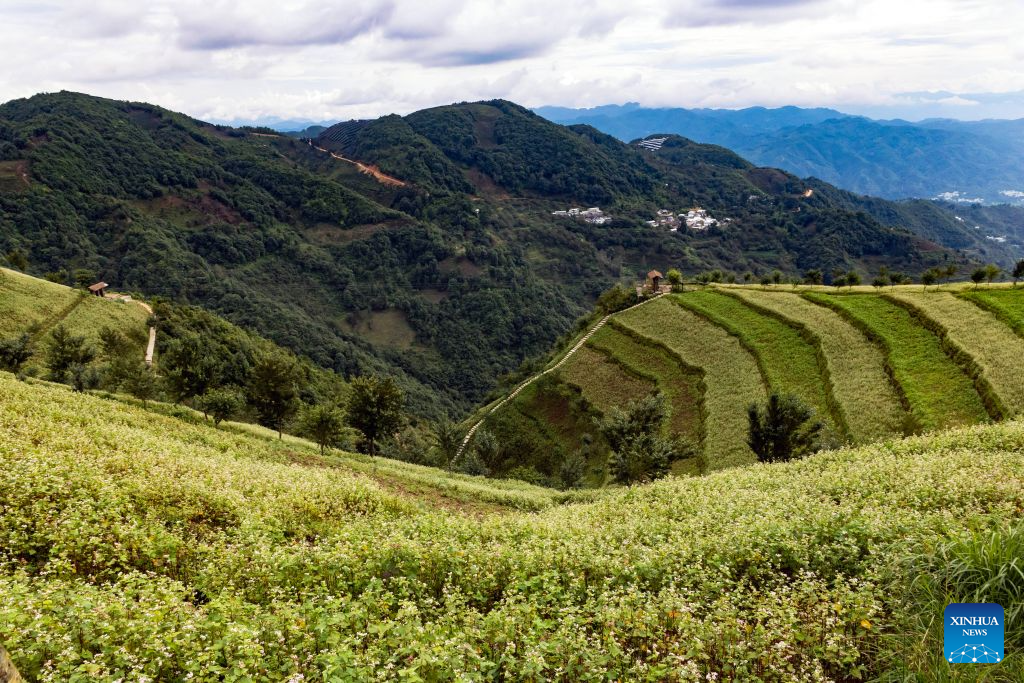
This photo taken on July 24, 2026 shows a view of Zhonghe Village in Mengyou Town of Fengqing County in Lincang, southwest China's Yunnan Province. Fengqing County, which boasts a long history of tea cultivation and tea production, has about 300,000 mu (about 20,000 hectares) of tea plantations, and is home to an ancient tea tree estimated to be around 3,200 years old.
The county is also featured by many historical sites, including well-preserved architectural complexes, a pagoda built in the Qing Dynasty (1644-1911), ancient water-powered mills and Lushi ancient town, an important trading hub on the ancient Tea Horse Road. (Photo by Lan Hongguang/Xinhua)
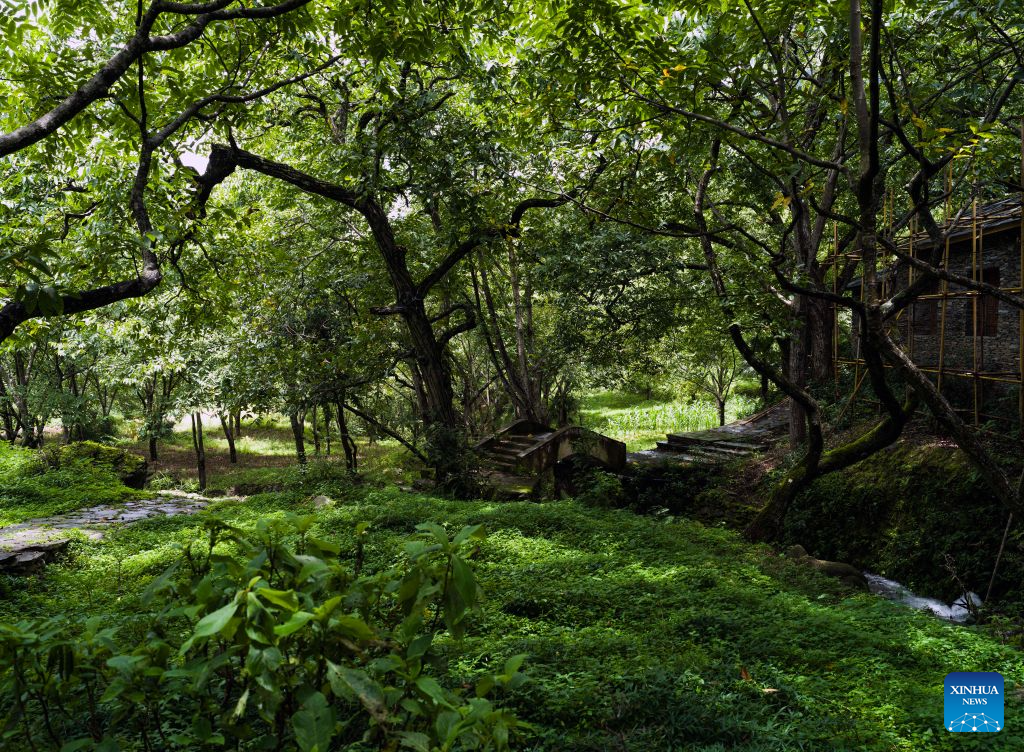
This photo taken on July 26, 2026 shows a view of a historic cluster of hydro-powered mills at Gumo Village in Shili Township of Fengqing County in Lincang, southwest China's Yunnan Province. Located in the middle reaches of Liulang River, 21 out of 27 water-powered mills are still functional. Fengqing County, which boasts a long history of tea cultivation and tea production, has about 300,000 mu (about 20,000 hectares) of tea plantations, and is home to an ancient tea tree estimated to be around 3,200 years old.
The county is also featured by many historical sites, including well-preserved architectural complexes, a pagoda built in the Qing Dynasty (1644-1911), ancient water-powered mills and Lushi ancient town, an important trading hub on the ancient Tea Horse Road. (Photo by Lan Hongguang/Xinhua)

This photo taken on July 26, 2026 shows a pagoda built during the Qing Dynasty (1644-1911) in Fengqing County in Lincang, southwest China's Yunnan Province. Fengqing County, which boasts a long history of tea cultivation and tea production, has about 300,000 mu (about 20,000 hectares) of tea plantations, and is home to an ancient tea tree estimated to be around 3,200 years old.
The county is also featured by many historical sites, including well-preserved architectural complexes, a pagoda built in the Qing Dynasty (1644-1911), ancient water-powered mills and Lushi ancient town, an important trading hub on the ancient Tea Horse Road. (Photo by Lan Hongguang/Xinhua)

This photo taken on July 24, 2026 shows a view of Zhonghe Village in Mengyou Town in Fengqing County of Lincang, southwest China's Yunnan Province. Fengqing County, which boasts a long history of tea cultivation and tea production, has about 300,000 mu (about 20,000 hectares) of tea plantations, and is home to an ancient tea tree estimated to be around 3,200 years old.
The county is also featured by many historical sites, including well-preserved architectural complexes, a pagoda built in the Qing Dynasty (1644-1911), ancient water-powered mills and Lushi ancient town, an important trading hub on the ancient Tea Horse Road. (Photo by Lan Hongguang/Xinhua)
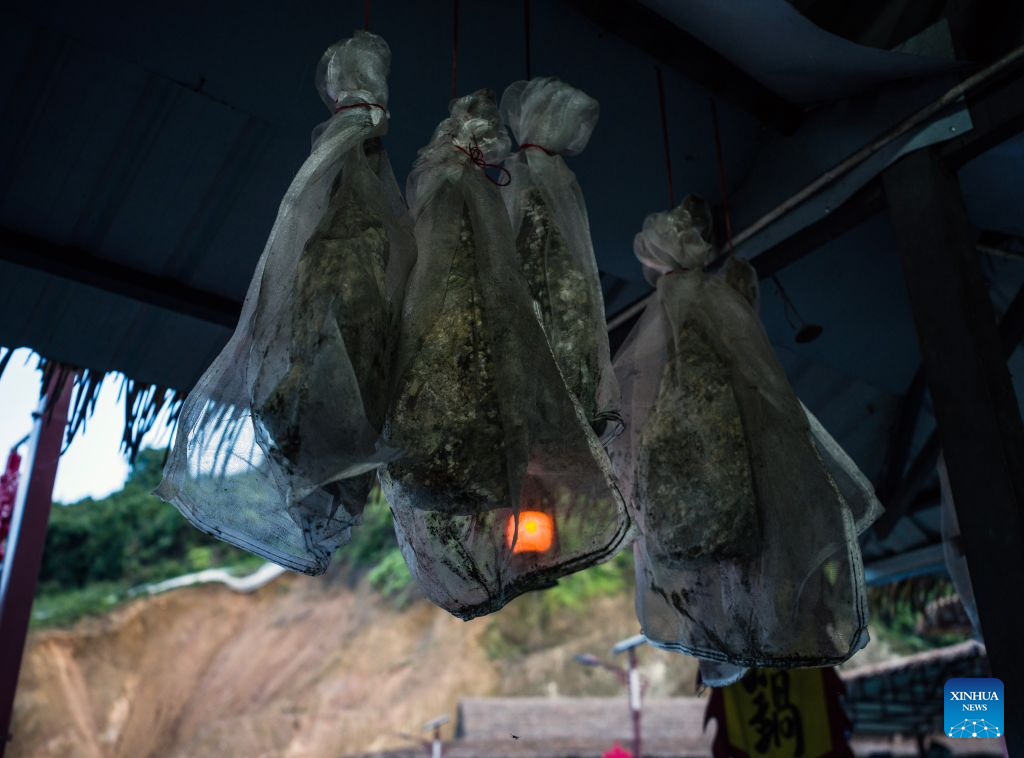
This photo taken on July 24, 2026 shows locally made hams at Zhonghe Village in Mengyou Town of Fengqing County in Lincang, southwest China's Yunnan Province. Fengqing County, which boasts a long history of tea cultivation and tea production, has about 300,000 mu (about 20,000 hectares) of tea plantations, and is home to an ancient tea tree estimated to be around 3,200 years old.
The county is also featured by many historical sites, including well-preserved architectural complexes, a pagoda built in the Qing Dynasty (1644-1911), ancient water-powered mills and Lushi ancient town, an important trading hub on the ancient Tea Horse Road. (Photo by Lan Hongguang/Xinhua)
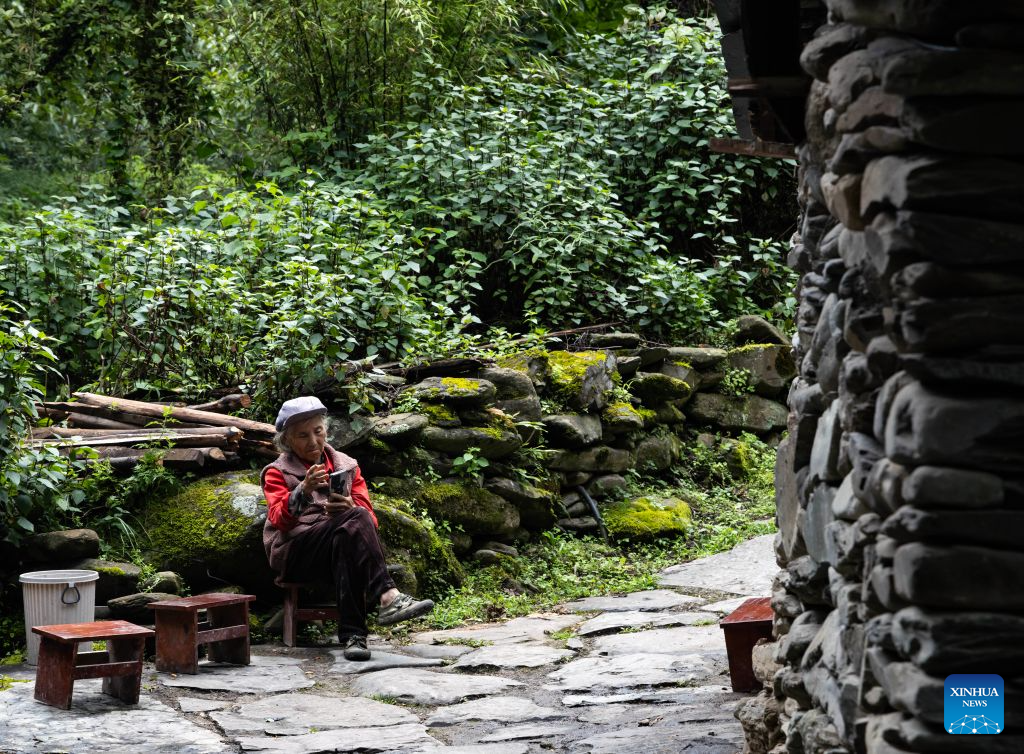
Li Zhu, an elderly villager running local hydro-powered mills, is pictured at Gumo Village in Shili Township of Fengqing County in Lincang, southwest China's Yunnan Province, on July 26, 2026. Located in the middle reaches of Liulang River, 21 out of 27 water-powered mills are still functional. Fengqing County, which boasts a long history of tea cultivation and tea production, has about 300,000 mu (about 20,000 hectares) of tea plantations, and is home to an ancient tea tree estimated to be around 3,200 years old.
The county is also featured by many historical sites, including well-preserved architectural complexes, a pagoda built in the Qing Dynasty (1644-1911), ancient water-powered mills and Lushi ancient town, an important trading hub on the ancient Tea Horse Road. (Photo by Lan Hongguang/Xinhua)
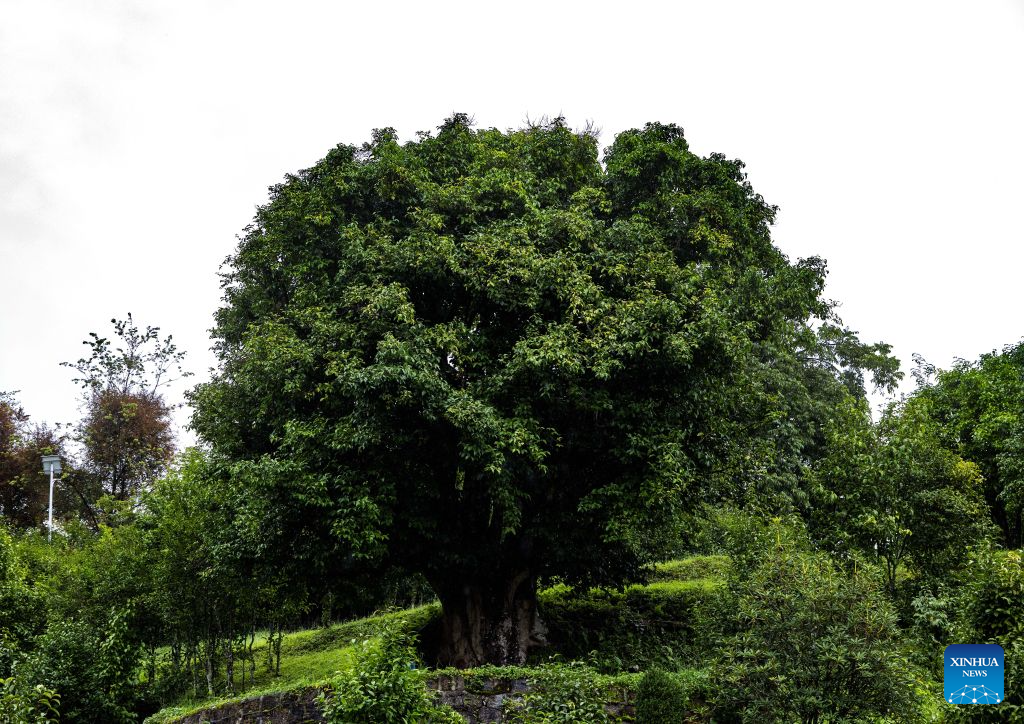
This photo taken on July 24, 2026 shows an ancient tea tree estimated to be around 3,200 years old at Jinxiu Village in Xiaowan Town of Fengqing County in Lincang, southwest China's Yunnan Province. Fengqing County, which boasts a long history of tea cultivation and tea production, has about 300,000 mu (about 20,000 hectares) of tea plantations, and is home to an ancient tea tree estimated to be around 3,200 years old.
The county is also featured by many historical sites, including well-preserved architectural complexes, a pagoda built in the Qing Dynasty (1644-1911), ancient water-powered mills and Lushi ancient town, an important trading hub on the ancient Tea Horse Road. (Photo by Lan Hongguang/Xinhua)
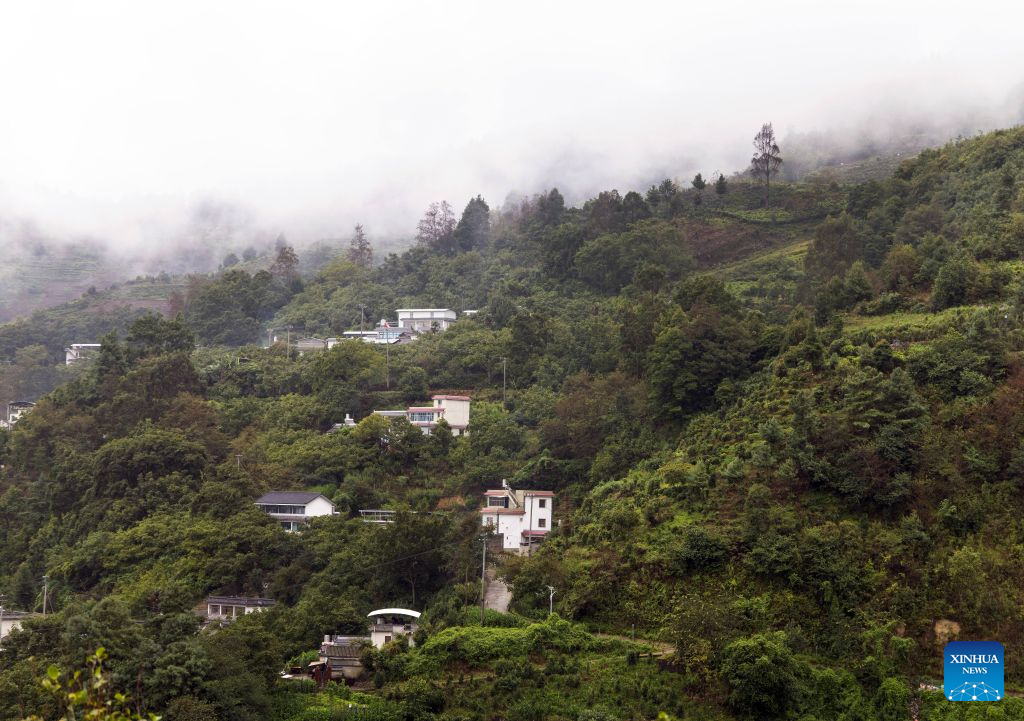
This photo taken on July 24, 2026 shows newly-built residential houses in Xiaowan Town of Fengqing County in Lincang, southwest China's Yunnan Province. Fengqing County, which boasts a long history of tea cultivation and tea production, has about 300,000 mu (about 20,000 hectares) of tea plantations, and is home to an ancient tea tree estimated to be around 3,200 years old.
The county is also featured by many historical sites, including well-preserved architectural complexes, a pagoda built in the Qing Dynasty (1644-1911), ancient water-powered mills and Lushi ancient town, an important trading hub on the ancient Tea Horse Road. (Photo by Lan Hongguang/Xinhua)
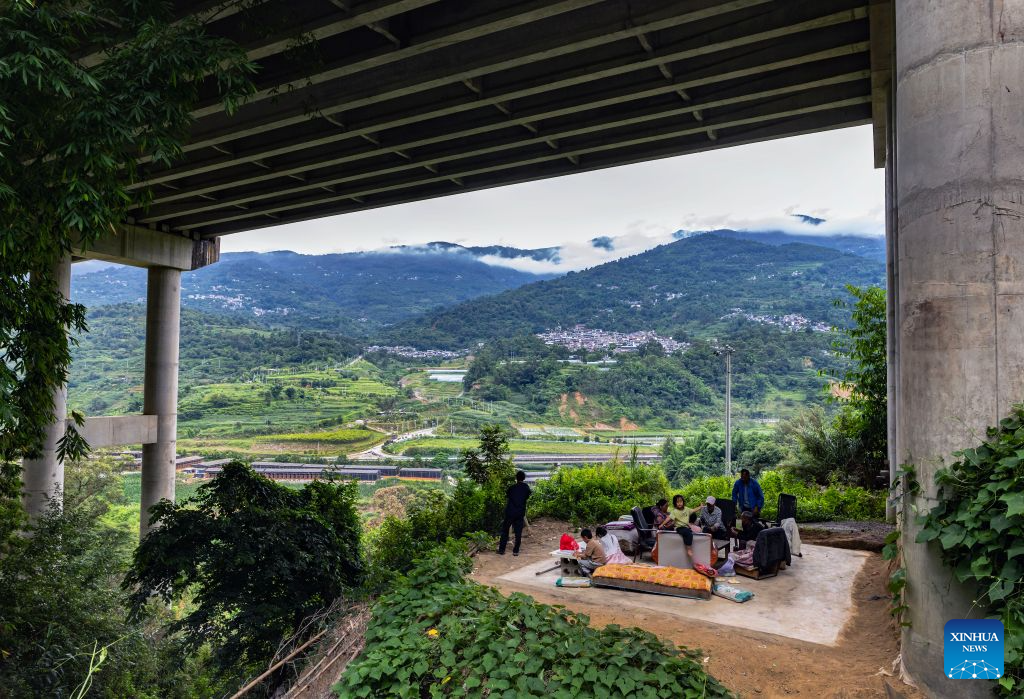
Villagers are pictured at Luming Village of Fengqing County in Lincang, southwest China's Yunnan Province, on July 24, 2026. Fengqing County, which boasts a long history of tea cultivation and tea production, has about 300,000 mu (about 20,000 hectares) of tea plantations, and is home to an ancient tea tree estimated to be around 3,200 years old.
The county is also featured by many historical sites, including well-preserved architectural complexes, a pagoda built in the Qing Dynasty (1644-1911), ancient water-powered mills and Lushi ancient town, an important trading hub on the ancient Tea Horse Road. (Photo by Lan Hongguang/Xinhua)

A woman in ethnic attire makes a phone call at Jinxiu Village of Fengqing County in Lincang, southwest China's Yunnan Province, on July 24, 2026. Fengqing County, which boasts a long history of tea cultivation and tea production, has about 300,000 mu (about 20,000 hectares) of tea plantations, and is home to an ancient tea tree estimated to be around 3,200 years old.
The county is also featured by many historical sites, including well-preserved architectural complexes, a pagoda built in the Qing Dynasty (1644-1911), ancient water-powered mills and Lushi ancient town, an important trading hub on the ancient Tea Horse Road. (Photo by Lan Hongguang/Xinhua)

Women in ethnic attire sing a tea-picking folk song at Jinxiu Village in Xiaowan Town of Fengqing County in Lincang, southwest China's Yunnan Province, on July 24, 2026. Fengqing County, which boasts a long history of tea cultivation and tea production, has about 300,000 mu (about 20,000 hectares) of tea plantations, and is home to an ancient tea tree estimated to be around 3,200 years old.
The county is also featured by many historical sites, including well-preserved architectural complexes, a pagoda built in the Qing Dynasty (1644-1911), ancient water-powered mills and Lushi ancient town, an important trading hub on the ancient Tea Horse Road. (Photo by Lan Hongguang/Xinhua)
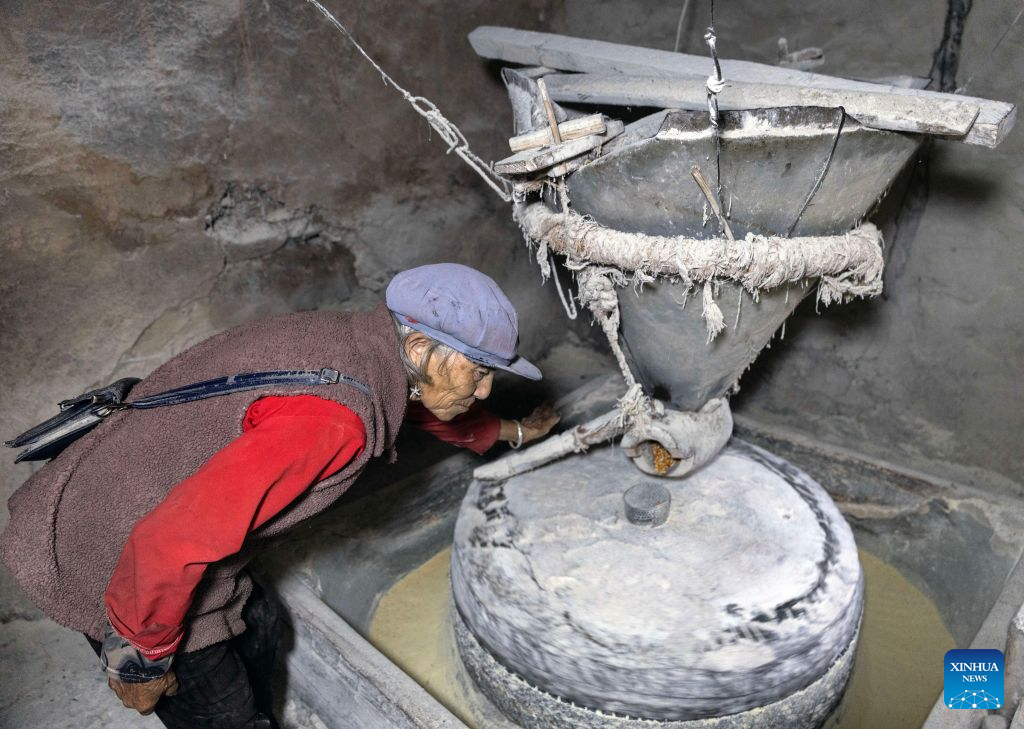
Li Zhu, an elderly villager running local hydro-powered mills, checks the operation of a mill at Gumo Village in Shili Township of Fengqing County in Lincang, southwest China's Yunnan Province, on July 26, 2026. Located in the middle reaches of Liulang River, 21 out of 27 water-powered mills are still functional. Fengqing County, which boasts a long history of tea cultivation and tea production, has about 300,000 mu (about 20,000 hectares) of tea plantations, and is home to an ancient tea tree estimated to be around 3,200 years old.
The county is also featured by many historical sites, including well-preserved architectural complexes, a pagoda built in the Qing Dynasty (1644-1911), ancient water-powered mills and Lushi ancient town, an important trading hub on the ancient Tea Horse Road. (Photo by Lan Hongguang/Xinhua)
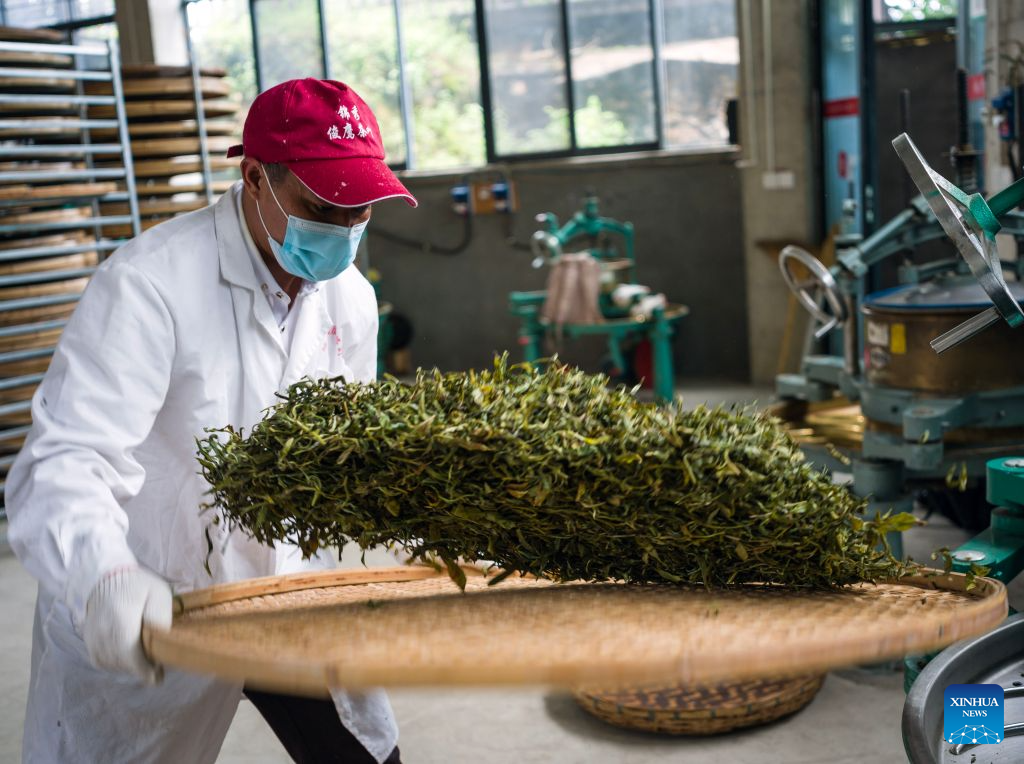
Tea maker Cha Zhengping tosses freshly roasted tea leaves to cool off at Jinxiu Village of Fengqing County in Lincang, southwest China's Yunnan Province, on July 24, 2026. Fengqing County, which boasts a long history of tea cultivation and tea production, has about 300,000 mu (about 20,000 hectares) of tea plantations, and is home to an ancient tea tree estimated to be around 3,200 years old.
The county is also featured by many historical sites, including well-preserved architectural complexes, a pagoda built in the Qing Dynasty (1644-1911), ancient water-powered mills and Lushi ancient town, an important trading hub on the ancient Tea Horse Road. (Photo by Lan Hongguang/Xinhua)
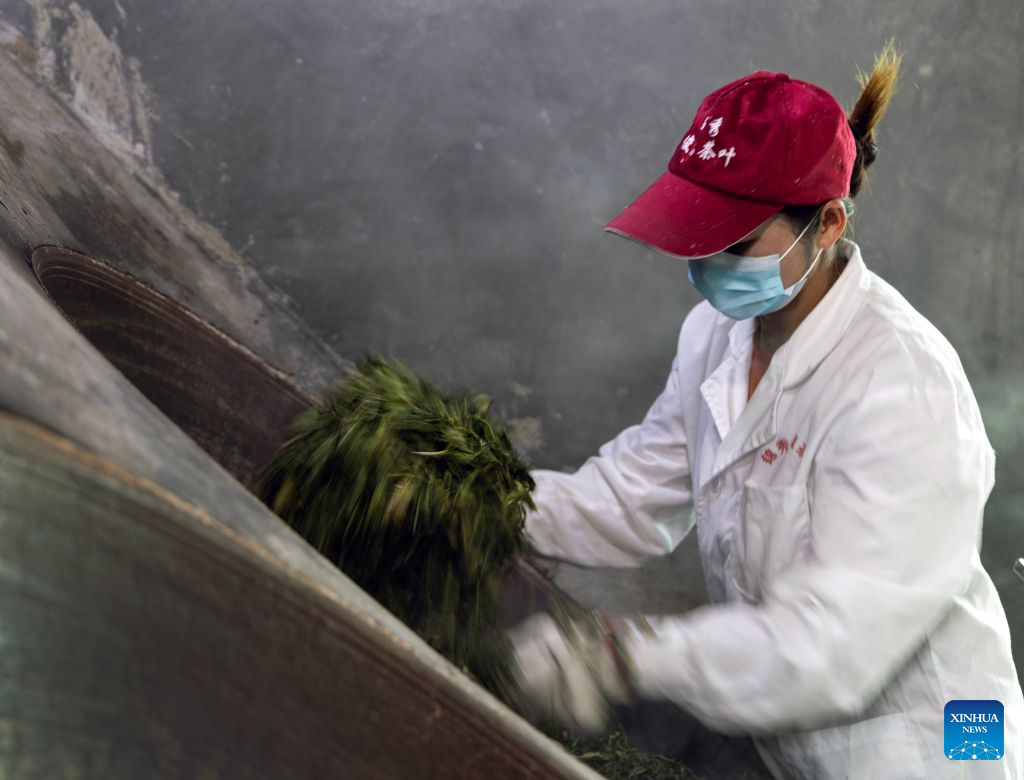
Tea maker Bi Junying roasts tea leaves at Jinxiu Village of Fengqing County in Lincang, southwest China's Yunnan Province, on July 24, 2026. Fengqing County, which boasts a long history of tea cultivation and tea production, has about 300,000 mu (about 20,000 hectares) of tea plantations, and is home to an ancient tea tree estimated to be around 3,200 years old.
The county is also featured by many historical sites, including well-preserved architectural complexes, a pagoda built in the Qing Dynasty (1644-1911), ancient water-powered mills and Lushi ancient town, an important trading hub on the ancient Tea Horse Road. (Photo by Lan Hongguang/Xinhua)
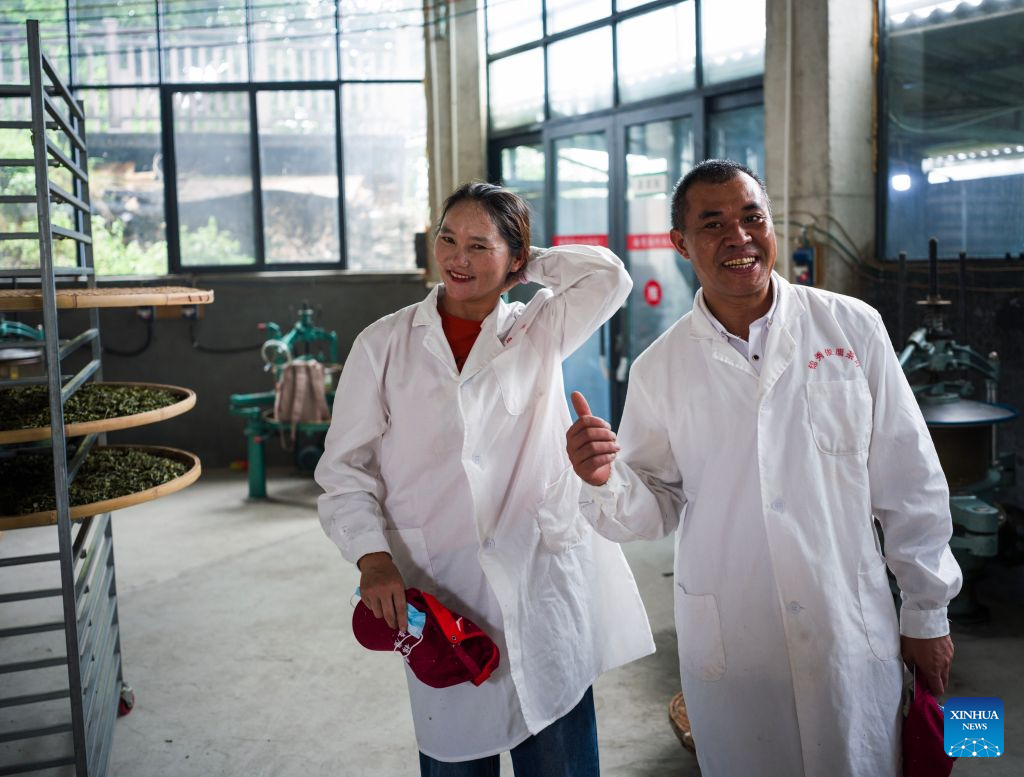
Cha Zhengping (R) and his wife Bi Junying, both experienced tea makers, are pictured at Jinxiu Village in Xiaowan Town of Fengqing County in Lincang, southwest China's Yunnan Province, on July 24, 2026. Fengqing County, which boasts a long history of tea cultivation and tea production, has about 300,000 mu (about 20,000 hectares) of tea plantations, and is home to an ancient tea tree estimated to be around 3,200 years old.
The county is also featured by many historical sites, including well-preserved architectural complexes, a pagoda built in the Qing Dynasty (1644-1911), ancient water-powered mills and Lushi ancient town, an important trading hub on the ancient Tea Horse Road. (Photo by Lan Hongguang/Xinhua)
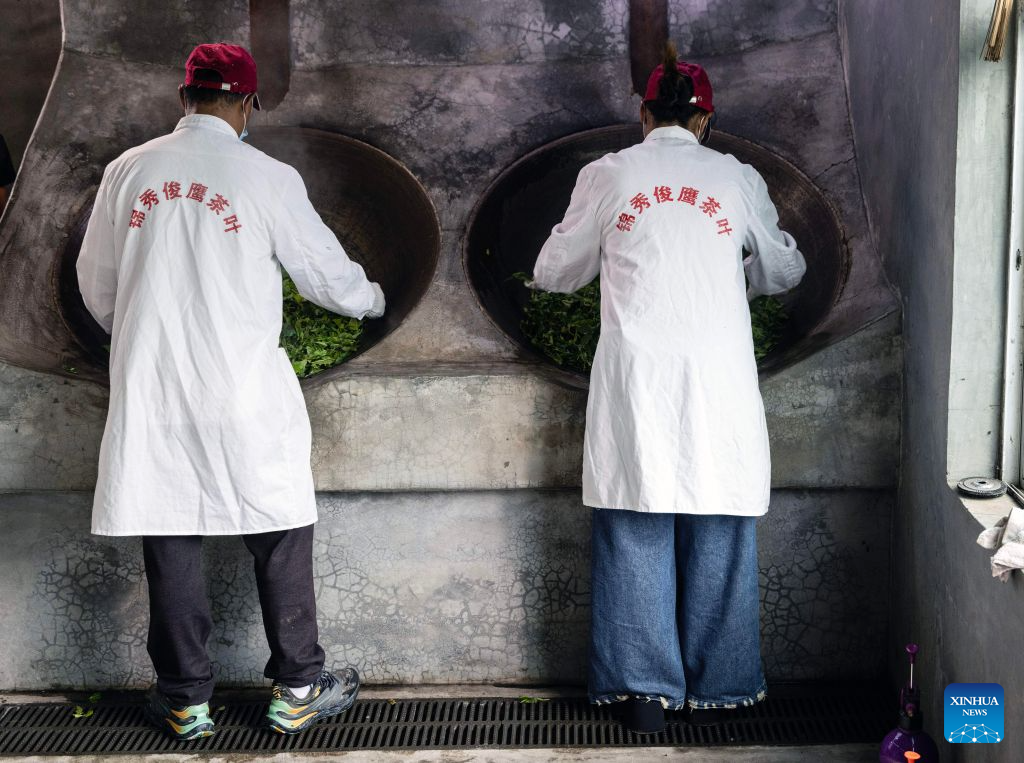
Cha Zhengping (L) and his wife Bi Junying, both experienced tea makers, roast tea leaves at Jinxiu Village in Xiaowan Town of Fengqing County in Lincang, southwest China's Yunnan Province, on July 24, 2026. Fengqing County, which boasts a long history of tea cultivation and tea production, has about 300,000 mu (about 20,000 hectares) of tea plantations, and is home to an ancient tea tree estimated to be around 3,200 years old.
The county is also featured by many historical sites, including well-preserved architectural complexes, a pagoda built in the Qing Dynasty (1644-1911), ancient water-powered mills and Lushi ancient town, an important trading hub on the ancient Tea Horse Road. (Photo by Lan Hongguang/Xinhua)


