NANCHANG, March 10 (Xinhua) -- Jaume Ribalta, a Spanish porcelain artist, settled in Jingdezhen, dubbed China's "porcelain capital," four years ago.
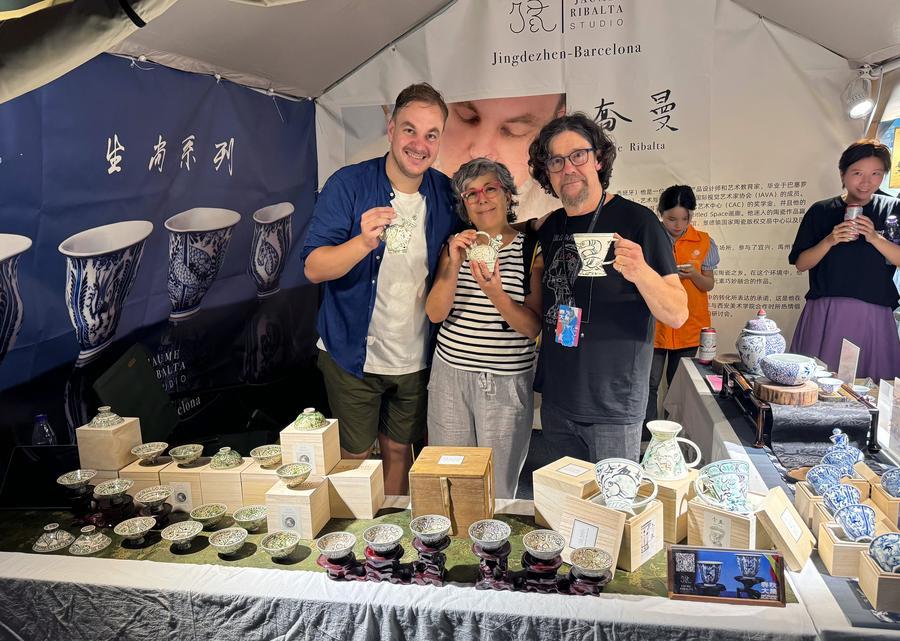
His studio is filled with Chinese elements, including antique furniture, a portrait of Confucius, and traditional ink landscape paintings. Each detail reflects Ribalta's deep appreciation for Chinese culture.

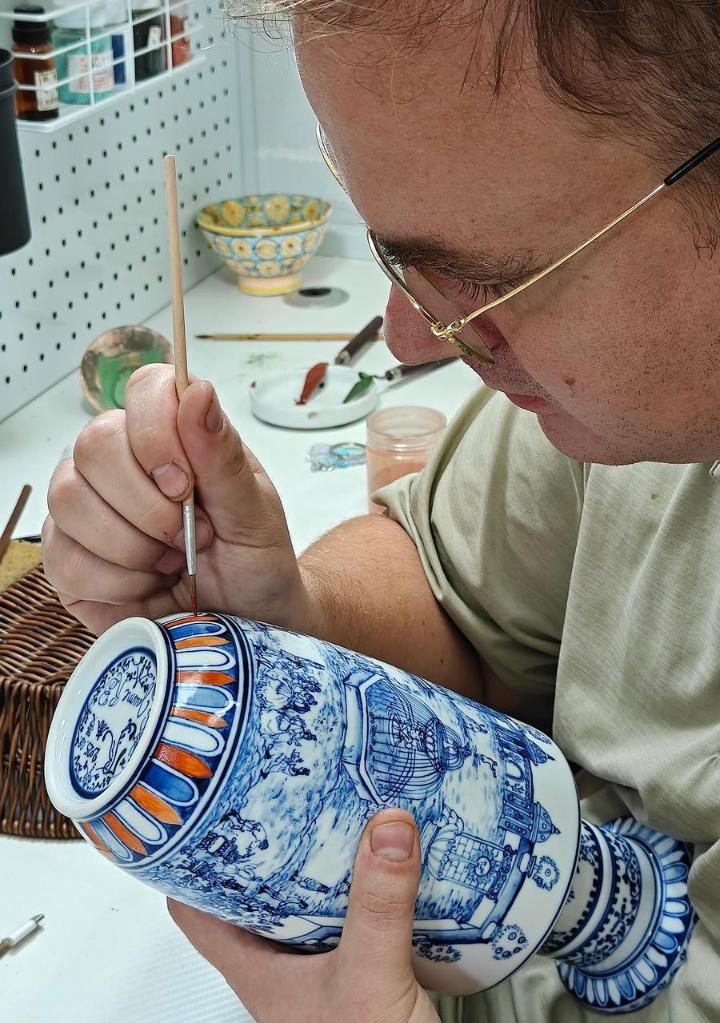
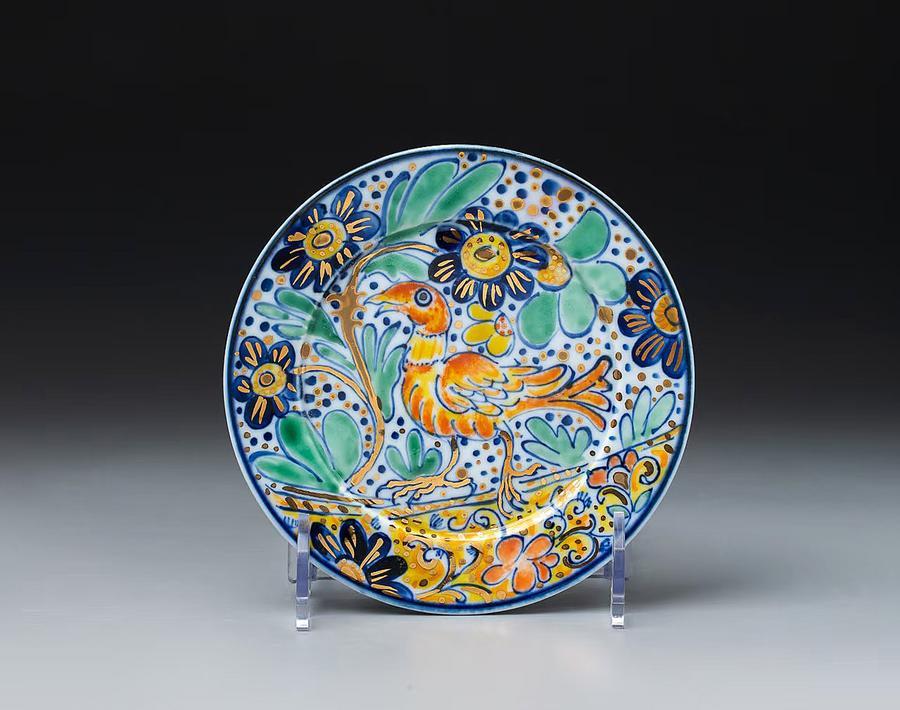
As for porcelain creation, Ribalta has expertly fused Spanish heritage with Chinese artistry, drawing inspiration from the black-and-white ceramic designs of his hometown, Barcelona. He employs traditional blue-and-white porcelain techniques to craft distinctive works that seamlessly blend Eastern and Western artistic styles.

For Ribalta, the city of Jingdezhen itself is a vast cultural heritage, boasting an open, inclusive, and unconventional creative environment that provides fertile ground for porcelain creation in every corner.
Jingdezhen's history of ceramics spans over 2,000 years, and its role as an official and royal kiln elevated its porcelain-making techniques to the highest level in history. Today, the city maintains its global appeal. At times, as many as 5,000 foreign creators work and live in Jingdezhen. The influx of global artisans has turned the city into a melting pot of ideas and cultures.
"What I hope to achieve through my work is to build a bridge that brings Chinese and Spanish cultures together," says Ribalta.