
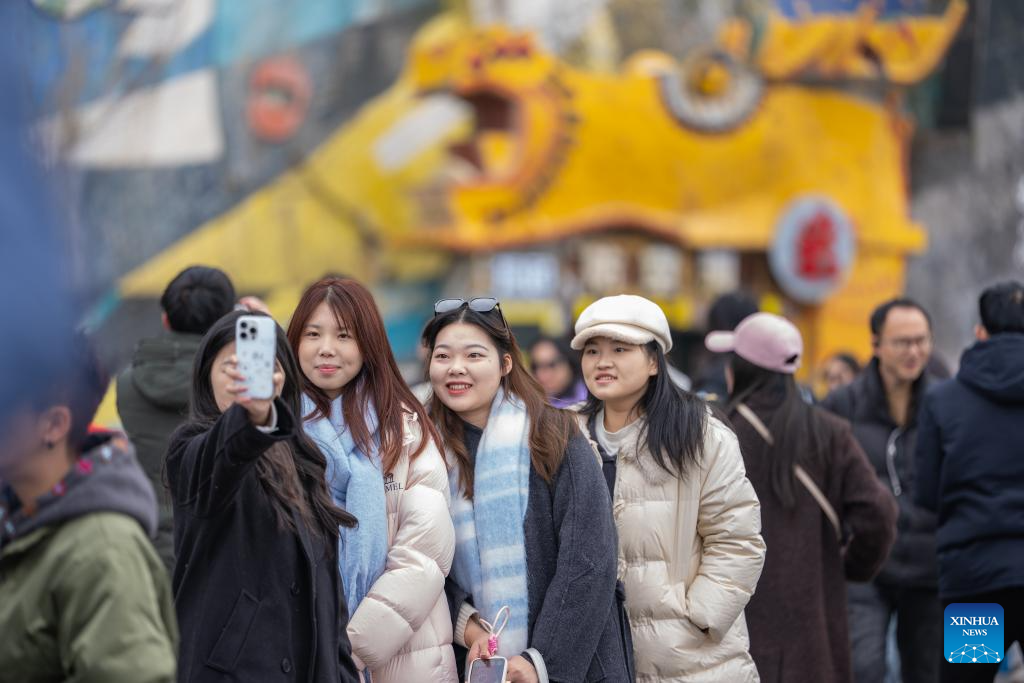
Tourists visit the Liziba sightseeing platform in Chongqing, southwest China, Jan. 7, 2026. Acting as a crucial ecological gateway for the upper reaches of the Yangtze River, Chongqing has intensified its environmental protection efforts in recent years.
The city has effectively conserved areas along its riverbanks, enhancing their function as protective green corridors. Leveraging these environmental improvements, the city has developed new cultural tourism attractions and landmarks.
This integration of ecological conservation and tourism development has promoted local tourism, contributing to improved resident wellbeing and quality of life. (Xinhua/Huang Wei)
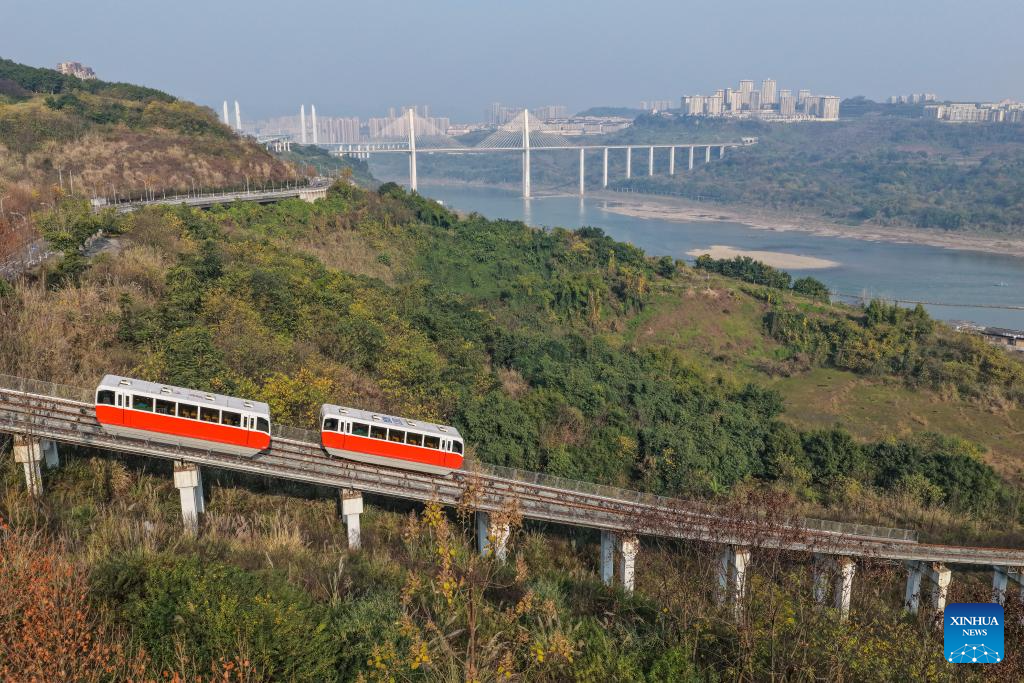
An aerial drone photo taken on Jan. 6, 2026 shows tourists taking cable trains in Chongqing, southwest China. Acting as a crucial ecological gateway for the upper reaches of the Yangtze River, Chongqing has intensified its environmental protection efforts in recent years.
The city has effectively conserved areas along its riverbanks, enhancing their function as protective green corridors. Leveraging these environmental improvements, the city has developed new cultural tourism attractions and landmarks.
This integration of ecological conservation and tourism development has promoted local tourism, contributing to improved resident wellbeing and quality of life. (Xinhua/Huang Wei)
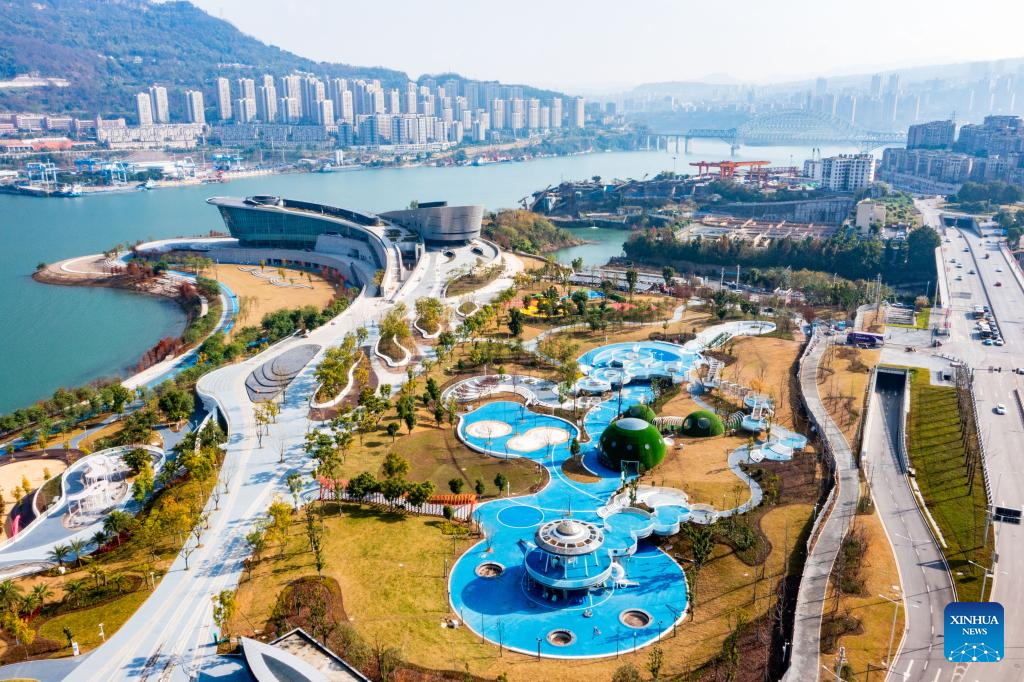
An aerial drone photo taken on Dec. 25, 2025 shows a view of a riverbank park in Chongqing, southwest China. Acting as a crucial ecological gateway for the upper reaches of the Yangtze River, Chongqing has intensified its environmental protection efforts in recent years.
The city has effectively conserved areas along its riverbanks, enhancing their function as protective green corridors. Leveraging these environmental improvements, the city has developed new cultural tourism attractions and landmarks.
This integration of ecological conservation and tourism development has promoted local tourism, contributing to improved resident wellbeing and quality of life. (Photo by Huang Jianhua/Xinhua)
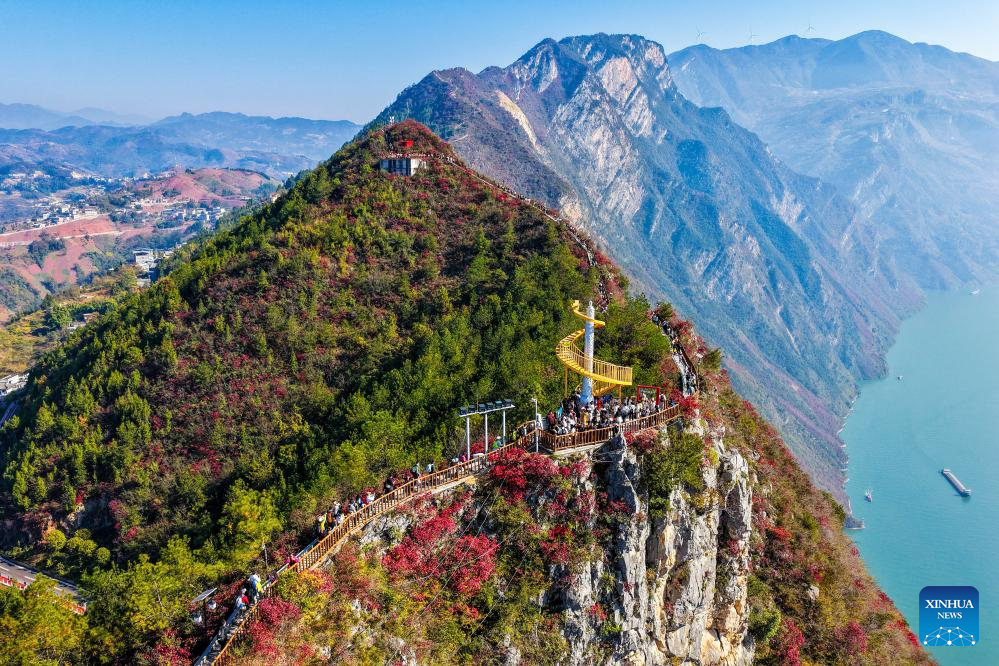
An aerial drone photo taken on Nov. 29, 2025 shows tourists visiting a scenic spot overlooking the Wuxia Gorge along the Yangtze River, in Wushan County, Chongqing, southwest China. Acting as a crucial ecological gateway for the upper reaches of the Yangtze River, Chongqing has intensified its environmental protection efforts in recent years.
The city has effectively conserved areas along its riverbanks, enhancing their function as protective green corridors. Leveraging these environmental improvements, the city has developed new cultural tourism attractions and landmarks.
This integration of ecological conservation and tourism development has promoted local tourism, contributing to improved resident wellbeing and quality of life. (Photo by Wang Changzheng/Xinhua)
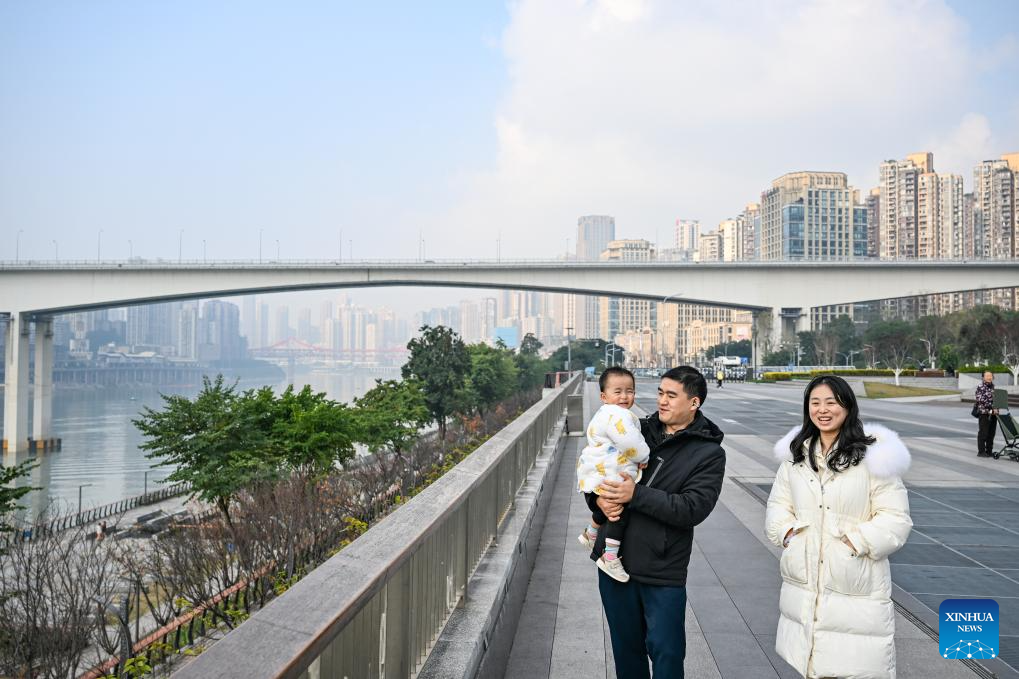
People have fun at a riverbank park in Chongqing, southwest China, Jan. 5, 2026. Acting as a crucial ecological gateway for the upper reaches of the Yangtze River, Chongqing has intensified its environmental protection efforts in recent years.
The city has effectively conserved areas along its riverbanks, enhancing their function as protective green corridors. Leveraging these environmental improvements, the city has developed new cultural tourism attractions and landmarks.
This integration of ecological conservation and tourism development has promoted local tourism, contributing to improved resident wellbeing and quality of life. (Xinhua/Wang Quanchao)
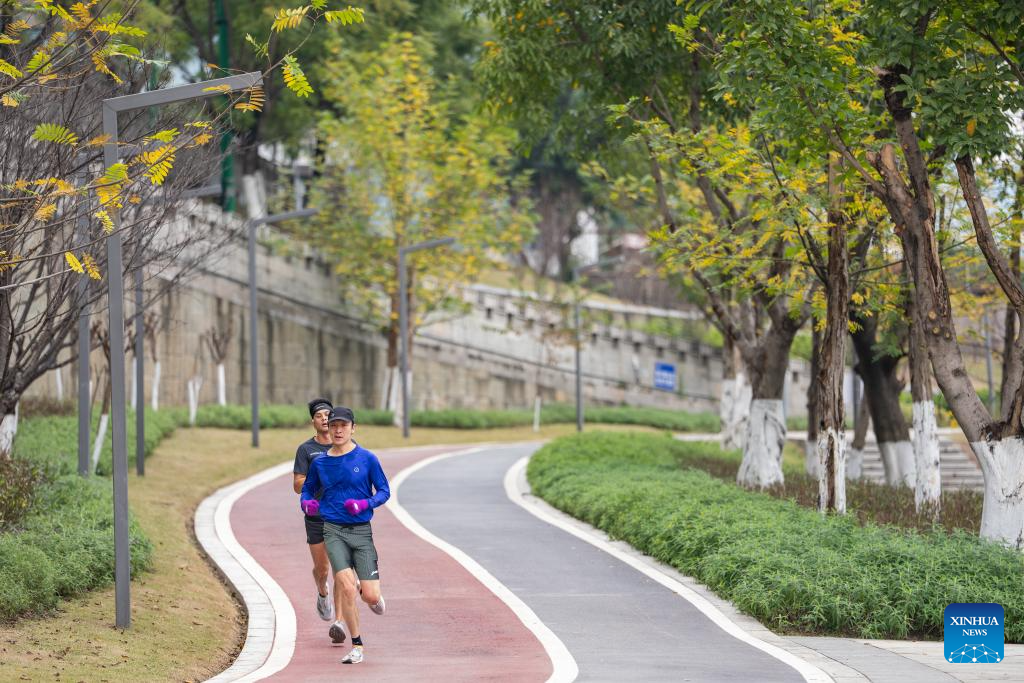
People jog at a riverbank park in Chongqing, southwest China, Jan. 7, 2026. Acting as a crucial ecological gateway for the upper reaches of the Yangtze River, Chongqing has intensified its environmental protection efforts in recent years.
The city has effectively conserved areas along its riverbanks, enhancing their function as protective green corridors. Leveraging these environmental improvements, the city has developed new cultural tourism attractions and landmarks.
This integration of ecological conservation and tourism development has promoted local tourism, contributing to improved resident wellbeing and quality of life. (Xinhua/Huang Wei)
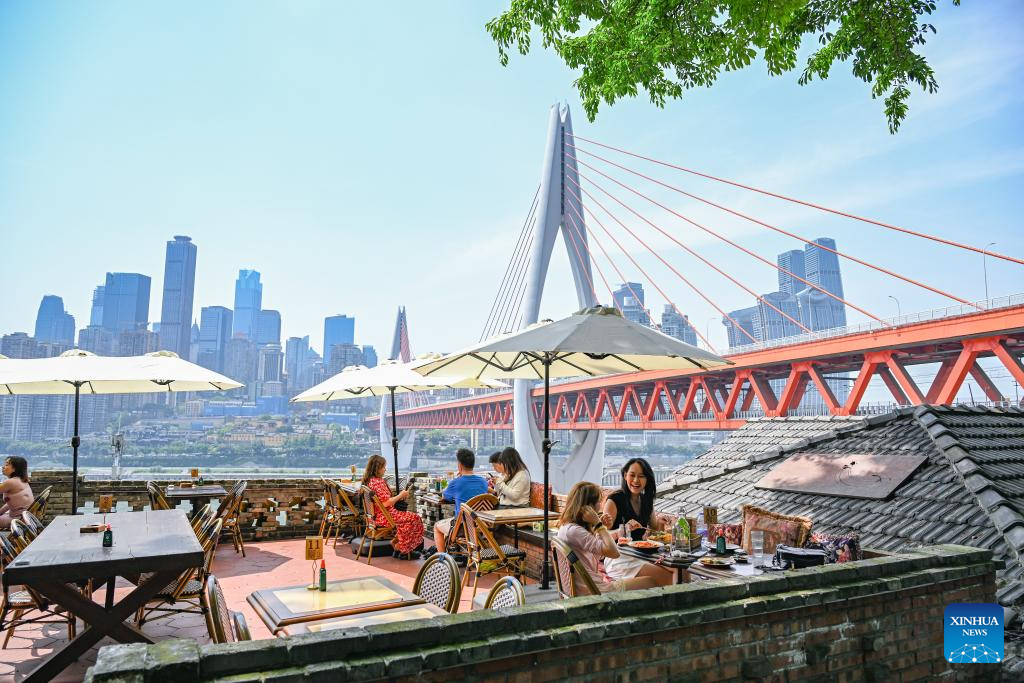
People dine at a restaurant along the Yangtze River in Chongqing, southwest China, May 1, 2025. Acting as a crucial ecological gateway for the upper reaches of the Yangtze River, Chongqing has intensified its environmental protection efforts in recent years.
The city has effectively conserved areas along its riverbanks, enhancing their function as protective green corridors. Leveraging these environmental improvements, the city has developed new cultural tourism attractions and landmarks.
This integration of ecological conservation and tourism development has promoted local tourism, contributing to improved resident wellbeing and quality of life. (Xinhua/Wang Quanchao)
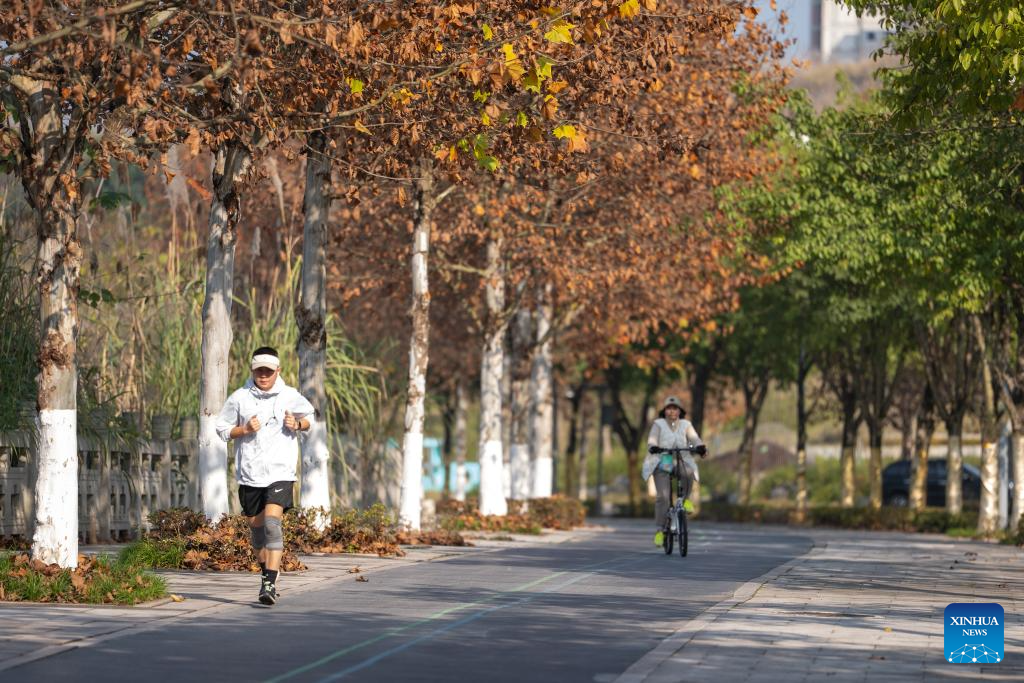
People visit a riverbank park in Chongqing, southwest China, Jan. 6, 2026. Acting as a crucial ecological gateway for the upper reaches of the Yangtze River, Chongqing has intensified its environmental protection efforts in recent years.
The city has effectively conserved areas along its riverbanks, enhancing their function as protective green corridors. Leveraging these environmental improvements, the city has developed new cultural tourism attractions and landmarks.
This integration of ecological conservation and tourism development has promoted local tourism, contributing to improved resident wellbeing and quality of life. (Xinhua/Huang Wei)
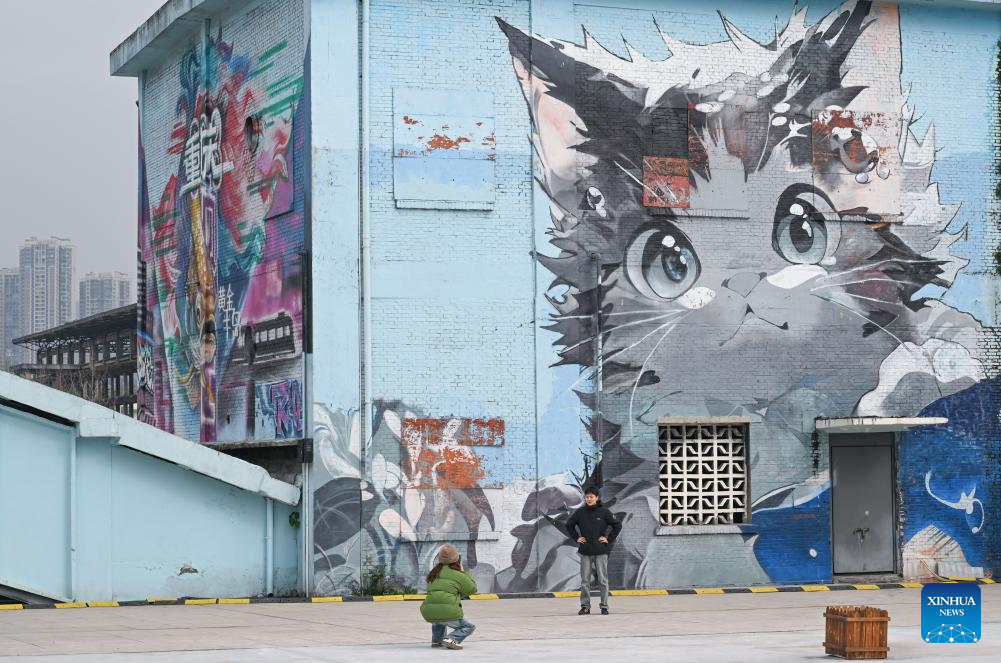
People take photos at a park in Chongqing, southwest China, Jan. 5, 2026. Acting as a crucial ecological gateway for the upper reaches of the Yangtze River, Chongqing has intensified its environmental protection efforts in recent years.
The city has effectively conserved areas along its riverbanks, enhancing their function as protective green corridors. Leveraging these environmental improvements, the city has developed new cultural tourism attractions and landmarks.
This integration of ecological conservation and tourism development has promoted local tourism, contributing to improved resident wellbeing and quality of life. (Xinhua/Chen Cheng)
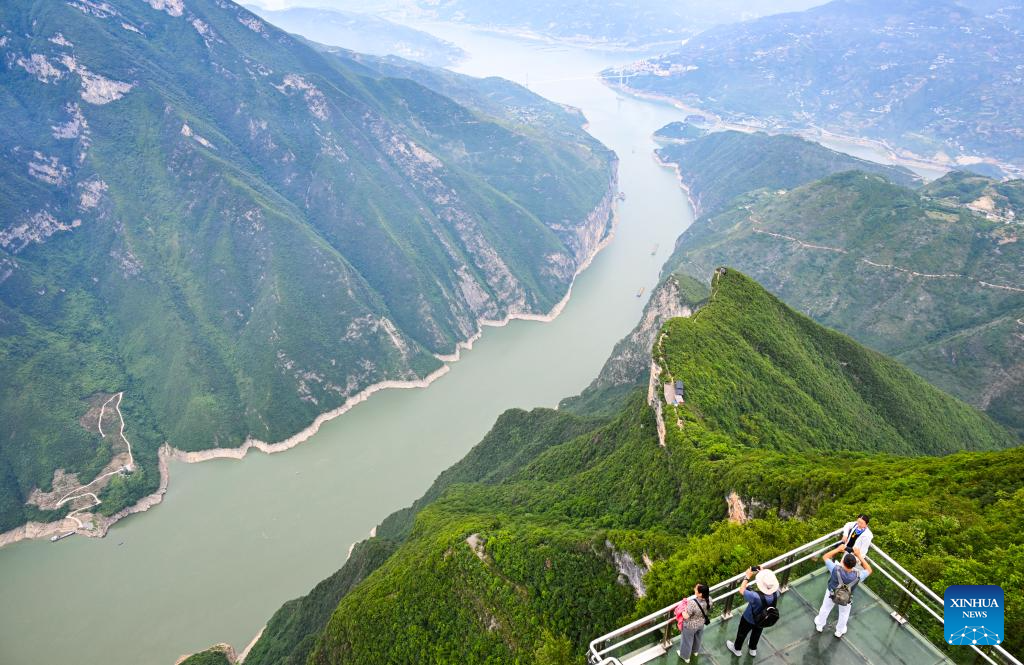
People look at the Qutang Gorge from an observation deck in Chongqing, southwest China, June 9, 2025. Acting as a crucial ecological gateway for the upper reaches of the Yangtze River, Chongqing has intensified its environmental protection efforts in recent years.
The city has effectively conserved areas along its riverbanks, enhancing their function as protective green corridors. Leveraging these environmental improvements, the city has developed new cultural tourism attractions and landmarks.
This integration of ecological conservation and tourism development has promoted local tourism, contributing to improved resident wellbeing and quality of life. (Xinhua/Wang Quanchao)
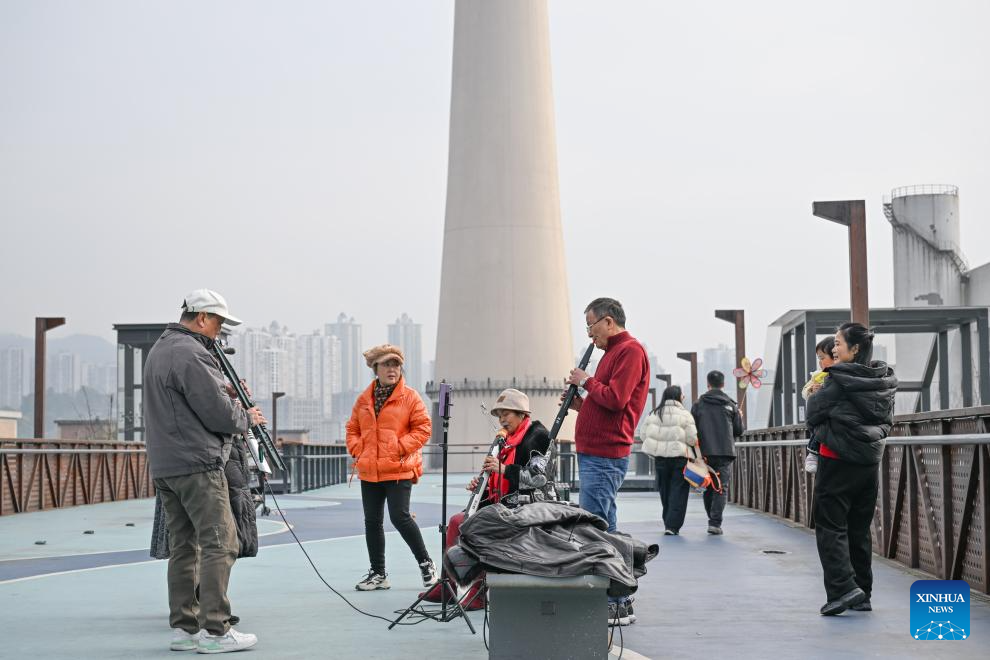
People practice instruments at a park in Chongqing, southwest China, Jan. 5, 2026. Acting as a crucial ecological gateway for the upper reaches of the Yangtze River, Chongqing has intensified its environmental protection efforts in recent years.
The city has effectively conserved areas along its riverbanks, enhancing their function as protective green corridors. Leveraging these environmental improvements, the city has developed new cultural tourism attractions and landmarks.
This integration of ecological conservation and tourism development has promoted local tourism, contributing to improved resident wellbeing and quality of life. (Xinhua/Chen Cheng)
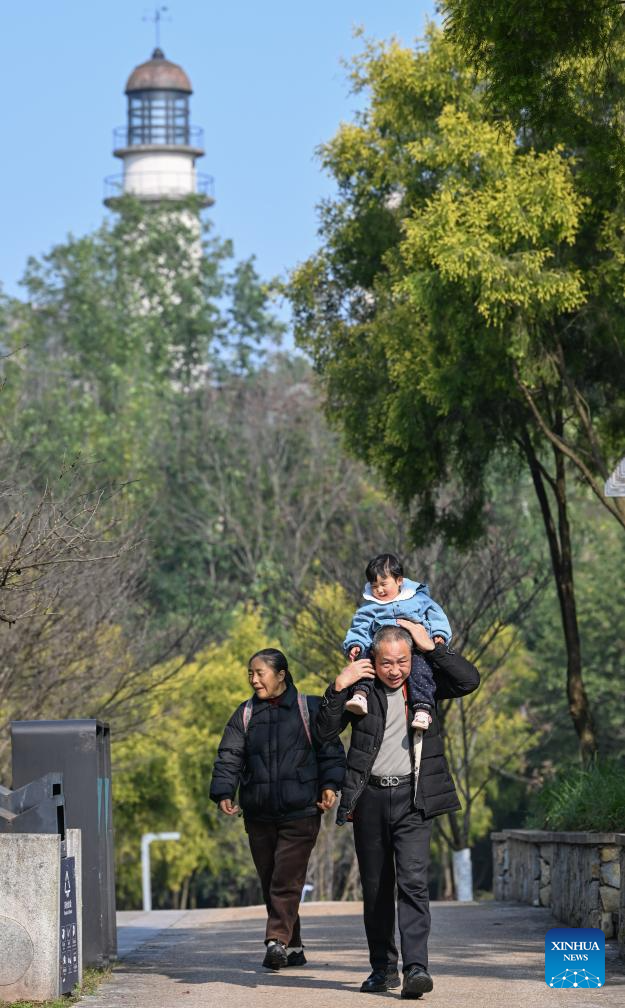
People visit a riverbank park in Chongqing, southwest China, Jan. 6, 2026. Acting as a crucial ecological gateway for the upper reaches of the Yangtze River, Chongqing has intensified its environmental protection efforts in recent years.
The city has effectively conserved areas along its riverbanks, enhancing their function as protective green corridors. Leveraging these environmental improvements, the city has developed new cultural tourism attractions and landmarks.
This integration of ecological conservation and tourism development has promoted local tourism, contributing to improved resident wellbeing and quality of life. (Xinhua/Chen Cheng)
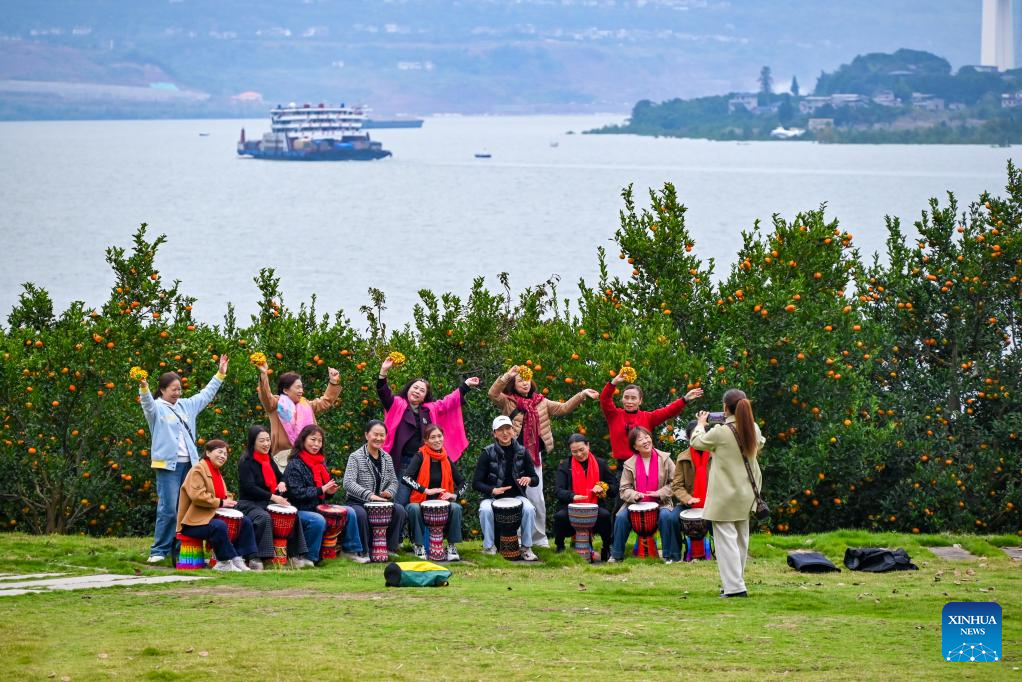
Tourists take photos at a tourism area along the Yangtze River in Wanzhou District of Chongqing, southwest China, Nov. 14, 2025. Acting as a crucial ecological gateway for the upper reaches of the Yangtze River, Chongqing has intensified its environmental protection efforts in recent years.
The city has effectively conserved areas along its riverbanks, enhancing their function as protective green corridors. Leveraging these environmental improvements, the city has developed new cultural tourism attractions and landmarks.
This integration of ecological conservation and tourism development has promoted local tourism, contributing to improved resident wellbeing and quality of life. (Photo by Fu Zuoqiao/Xinhua)
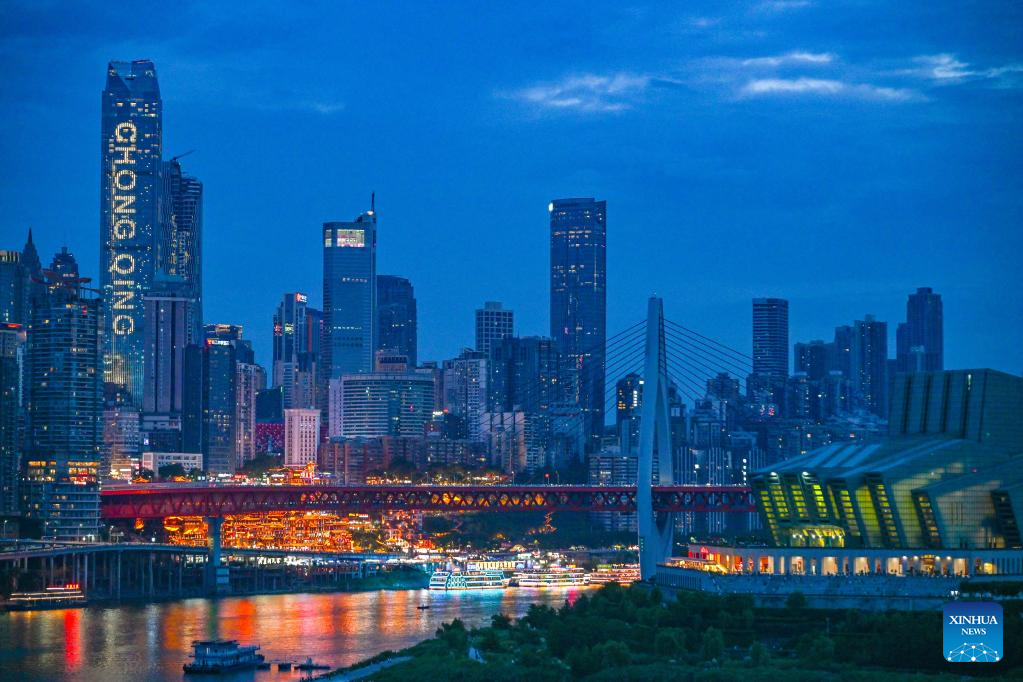
This photo taken on Aug. 23, 2025 shows a riverside city view of Chongqing, southwest China. Acting as a crucial ecological gateway for the upper reaches of the Yangtze River, Chongqing has intensified its environmental protection efforts in recent years.
The city has effectively conserved areas along its riverbanks, enhancing their function as protective green corridors. Leveraging these environmental improvements, the city has developed new cultural tourism attractions and landmarks.
This integration of ecological conservation and tourism development has promoted local tourism, contributing to improved resident wellbeing and quality of life. (Xinhua/Wang Quanchao)
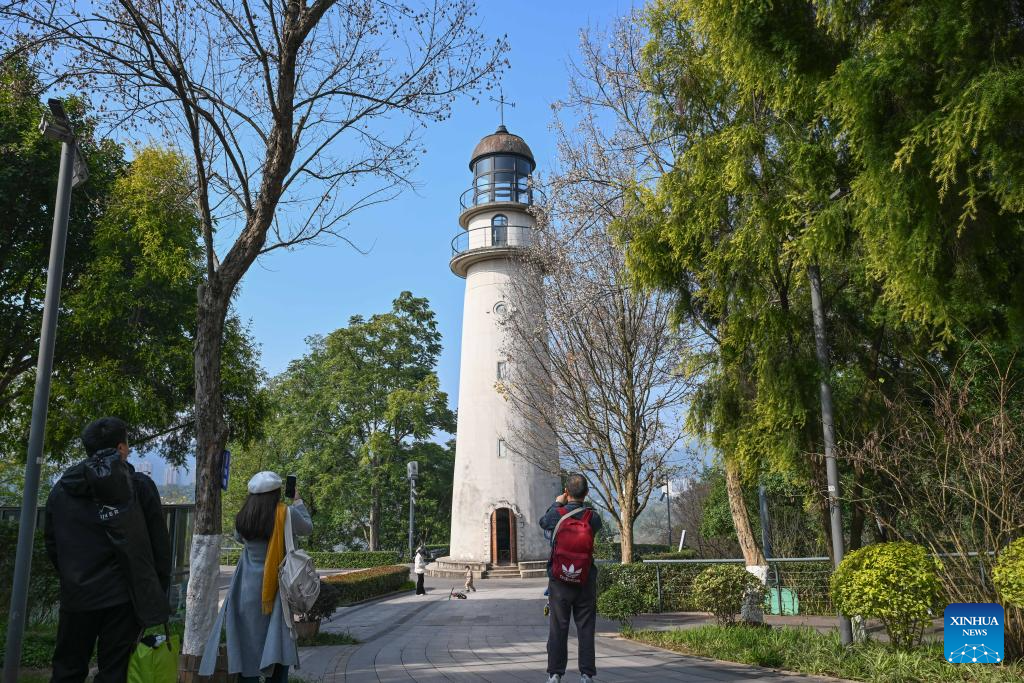
People take photos at a riverbank park in Chongqing, southwest China, Jan. 6, 2026. Acting as a crucial ecological gateway for the upper reaches of the Yangtze River, Chongqing has intensified its environmental protection efforts in recent years.
The city has effectively conserved areas along its riverbanks, enhancing their function as protective green corridors. Leveraging these environmental improvements, the city has developed new cultural tourism attractions and landmarks.
This integration of ecological conservation and tourism development has promoted local tourism, contributing to improved resident wellbeing and quality of life. (Xinhua/Chen Cheng)


