
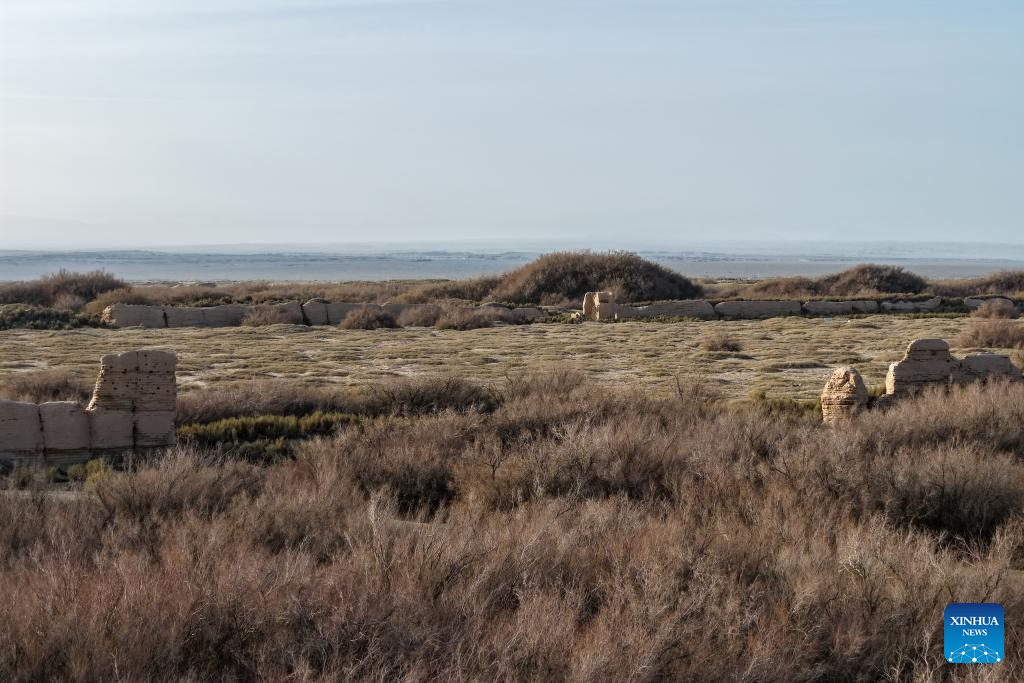
A drone photo taken on Nov. 18, 2025 shows a group of tombs in the ruins of Suoyang City in Guazhou County, Jiuquan City, northwest China's Gansu Province. Located in the Gobi Desert to the southeast of today's Suoyang Town, the ruins of Suoyang City, which used to play a pivot role in boarder defense and transportation in the olden times, consist of the Suoyang City site, the Ta'er temple, remains of an irrigation canal system, and a group of tombs.
The site of Suoyang City is also one of the constituent locations of the Routes Network of Chang'an-Tianshan Corridor of the Silk Road inscribed on the UNESCO World Heritage List in 2014. (Xinhua/Lang Bingbing)
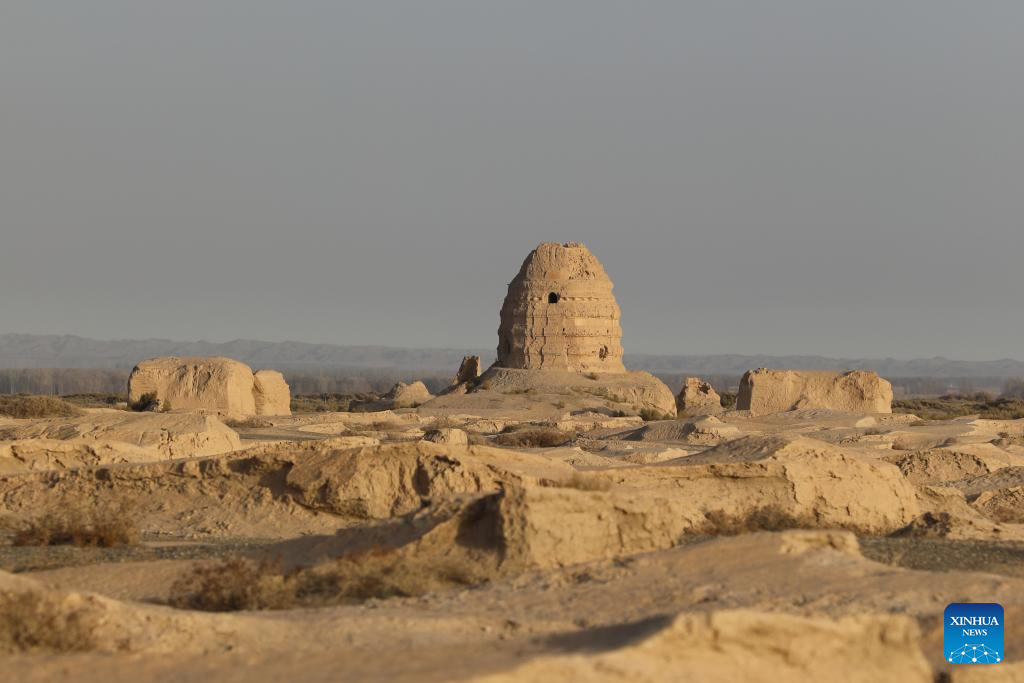
A drone photo taken on Nov. 18, 2025 shows the Ta'er temple in the ruins of Suoyang City in Guazhou County, Jiuquan City, northwest China's Gansu Province. Located in the Gobi Desert to the southeast of today's Suoyang Town, the ruins of Suoyang City, which used to play a pivot role in boarder defense and transportation in the olden times, consist of the Suoyang City site, the Ta'er temple, remains of an irrigation canal system, and a group of tombs.
The site of Suoyang City is also one of the constituent locations of the Routes Network of Chang'an-Tianshan Corridor of the Silk Road inscribed on the UNESCO World Heritage List in 2014. (Xinhua/Zhang Zhimin)
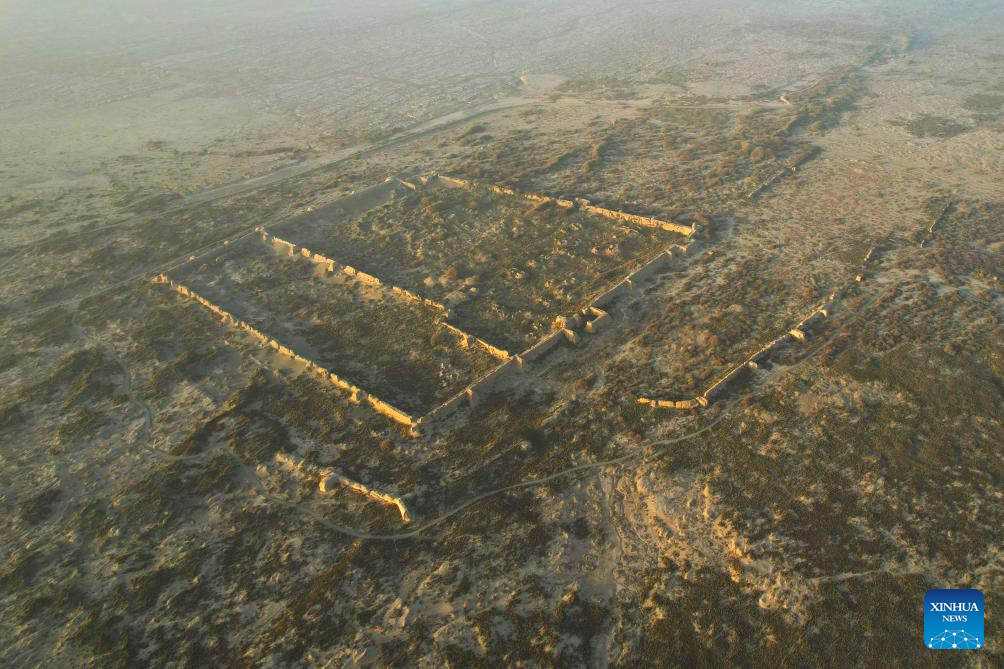
An aerial drone photo taken on Nov. 18, 2025 shows the Suoyang City site in Guazhou County, Jiuquan City, northwest China's Gansu Province. Located in the Gobi Desert to the southeast of today's Suoyang Town, the ruins of Suoyang City, which used to play a pivot role in boarder defense and transportation in the olden times, consist of the Suoyang City site, the Ta'er temple, remains of an irrigation canal system, and a group of tombs.
The site of Suoyang City is also one of the constituent locations of the Routes Network of Chang'an-Tianshan Corridor of the Silk Road inscribed on the UNESCO World Heritage List in 2014. (Xinhua/Zhang Zhimin)
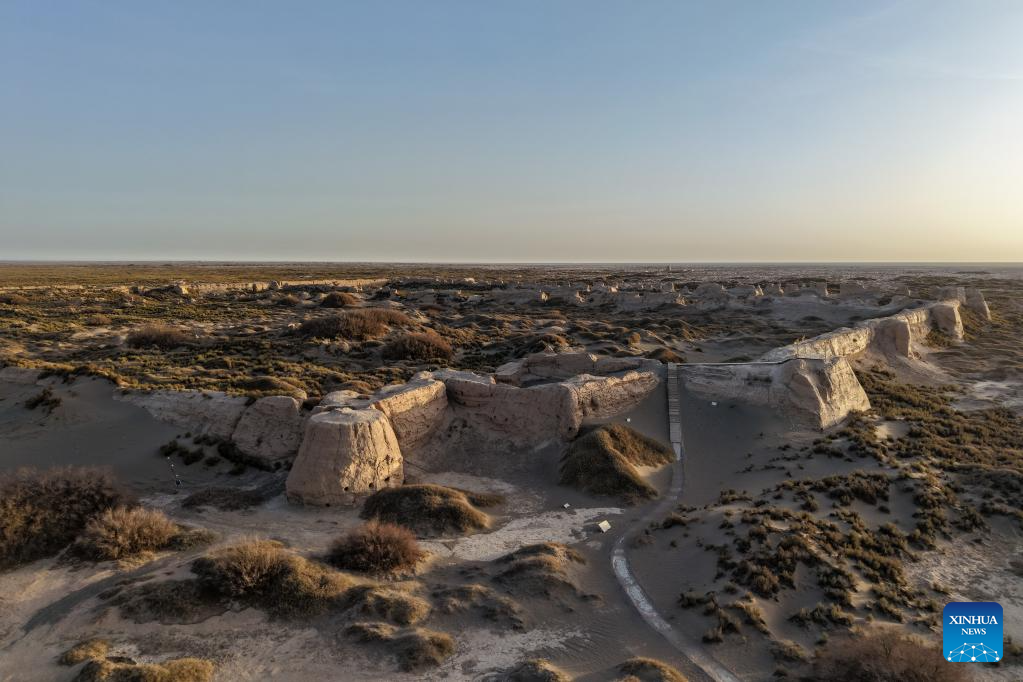
A drone photo taken on Nov. 18, 2025 shows the Suoyang City site in Guazhou County, Jiuquan City, northwest China's Gansu Province. Located in the Gobi Desert to the southeast of today's Suoyang Town, the ruins of Suoyang City, which used to play a pivot role in boarder defense and transportation in the olden times, consist of the Suoyang City site, the Ta'er temple, remains of an irrigation canal system, and a group of tombs.
The site of Suoyang City is also one of the constituent locations of the Routes Network of Chang'an-Tianshan Corridor of the Silk Road inscribed on the UNESCO World Heritage List in 2014. (Xinhua/Lang Bingbing)
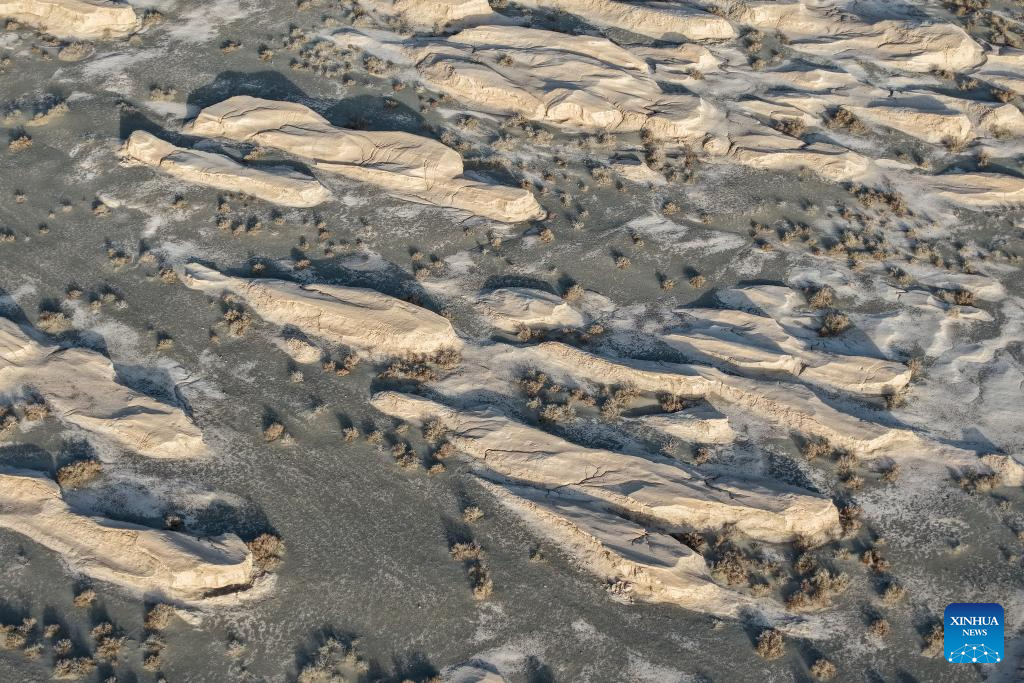
An aerial drone photo taken on Nov. 18, 2025 shows the remains of an irrigation canal system in Guazhou County, Jiuquan City, northwest China's Gansu Province. Located in the Gobi Desert to the southeast of today's Suoyang Town, the ruins of Suoyang City, which used to play a pivot role in boarder defense and transportation in the olden times, consist of the Suoyang City site, the Ta'er temple, remains of an irrigation canal system, and a group of tombs.
The site of Suoyang City is also one of the constituent locations of the Routes Network of Chang'an-Tianshan Corridor of the Silk Road inscribed on the UNESCO World Heritage List in 2014. (Xinhua/Lang Bingbing)
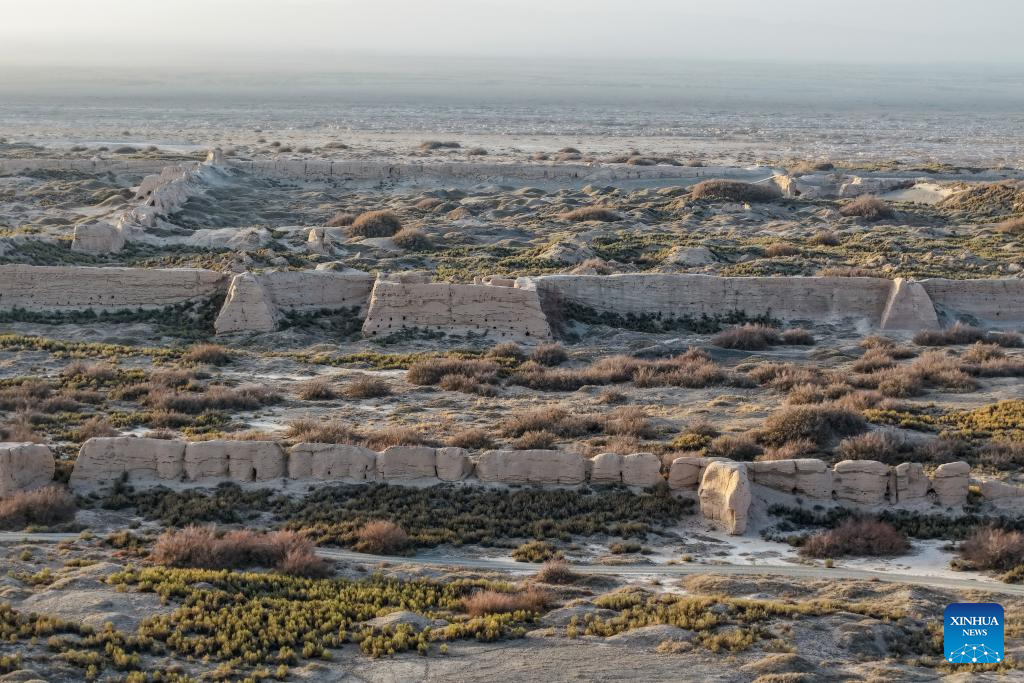
A drone photo taken on Nov. 18, 2025 shows the Suoyang City site in Guazhou County, Jiuquan City, northwest China's Gansu Province. Located in the Gobi Desert to the southeast of today's Suoyang Town, the ruins of Suoyang City, which used to play a pivot role in boarder defense and transportation in the olden times, consist of the Suoyang City site, the Ta'er temple, remains of an irrigation canal system, and a group of tombs.
The site of Suoyang City is also one of the constituent locations of the Routes Network of Chang'an-Tianshan Corridor of the Silk Road inscribed on the UNESCO World Heritage List in 2014. (Xinhua/Lang Bingbing)
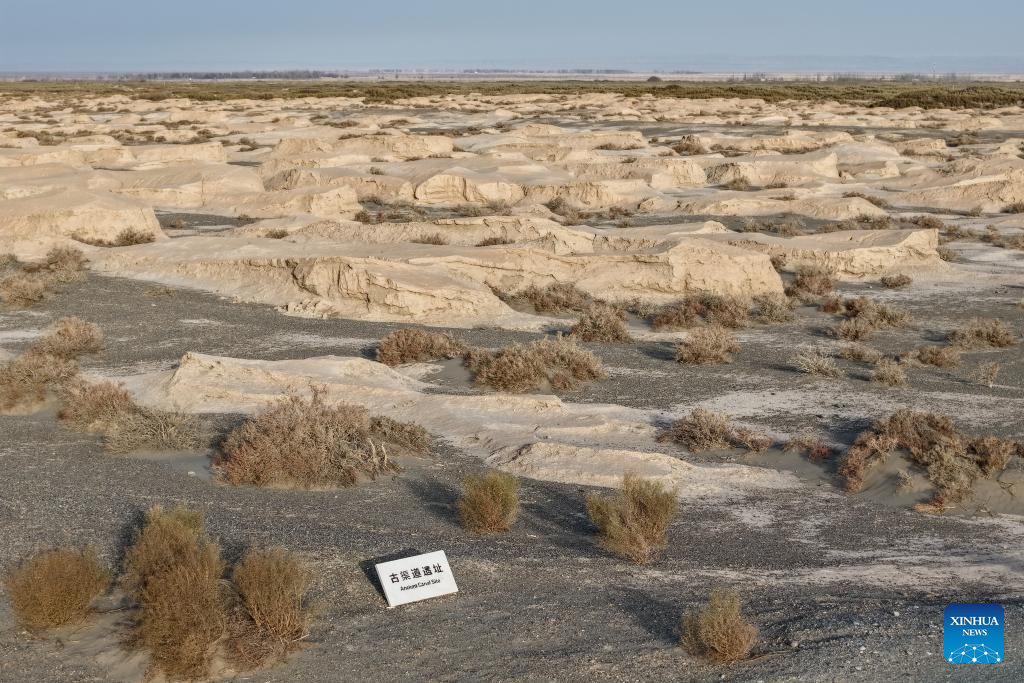
A drone photo taken on Nov. 18, 2025 shows the site of an ancient canal of an irrigation canal system in Guazhou County, Jiuquan City, northwest China's Gansu Province. Located in the Gobi Desert to the southeast of today's Suoyang Town, the ruins of Suoyang City, which used to play a pivot role in boarder defense and transportation in the olden times, consist of the Suoyang City site, the Ta'er temple, remains of an irrigation canal system, and a group of tombs.
The site of Suoyang City is also one of the constituent locations of the Routes Network of Chang'an-Tianshan Corridor of the Silk Road inscribed on the UNESCO World Heritage List in 2014. (Xinhua/Lang Bingbing)
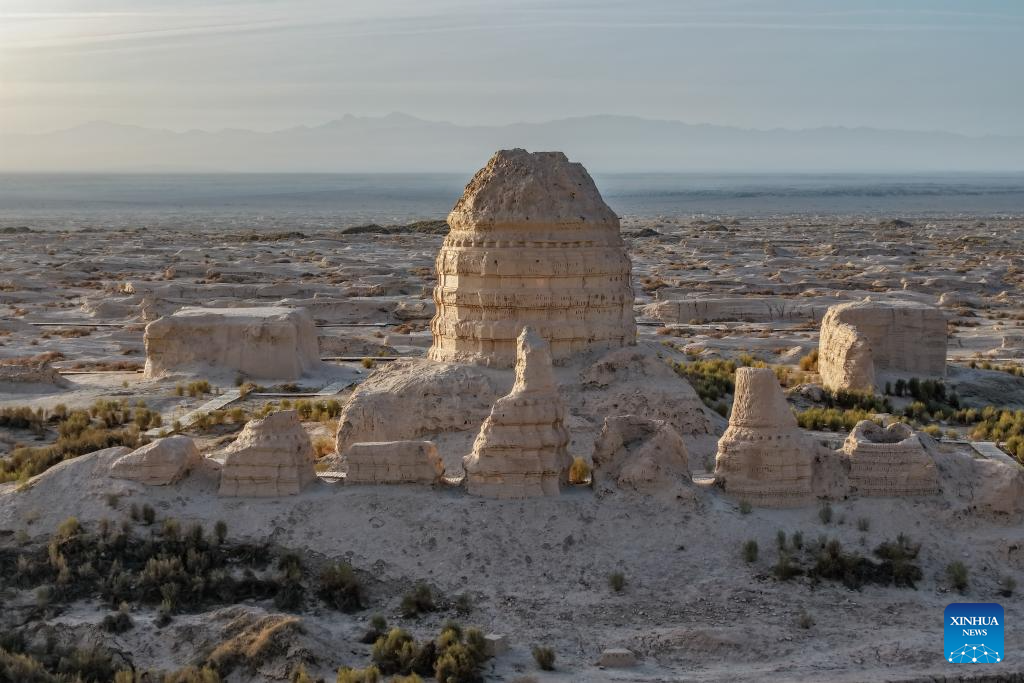
A drone photo taken on Nov. 18, 2025 shows the Ta'er temple in the ruins of Suoyang City in Guazhou County, Jiuquan City, northwest China's Gansu Province. Located in the Gobi Desert to the southeast of today's Suoyang Town, the ruins of Suoyang City, which used to play a pivot role in boarder defense and transportation in the olden times, consist of the Suoyang City site, the Ta'er temple, remains of an irrigation canal system, and a group of tombs.
The site of Suoyang City is also one of the constituent locations of the Routes Network of Chang'an-Tianshan Corridor of the Silk Road inscribed on the UNESCO World Heritage List in 2014. (Xinhua/Lang Bingbing)
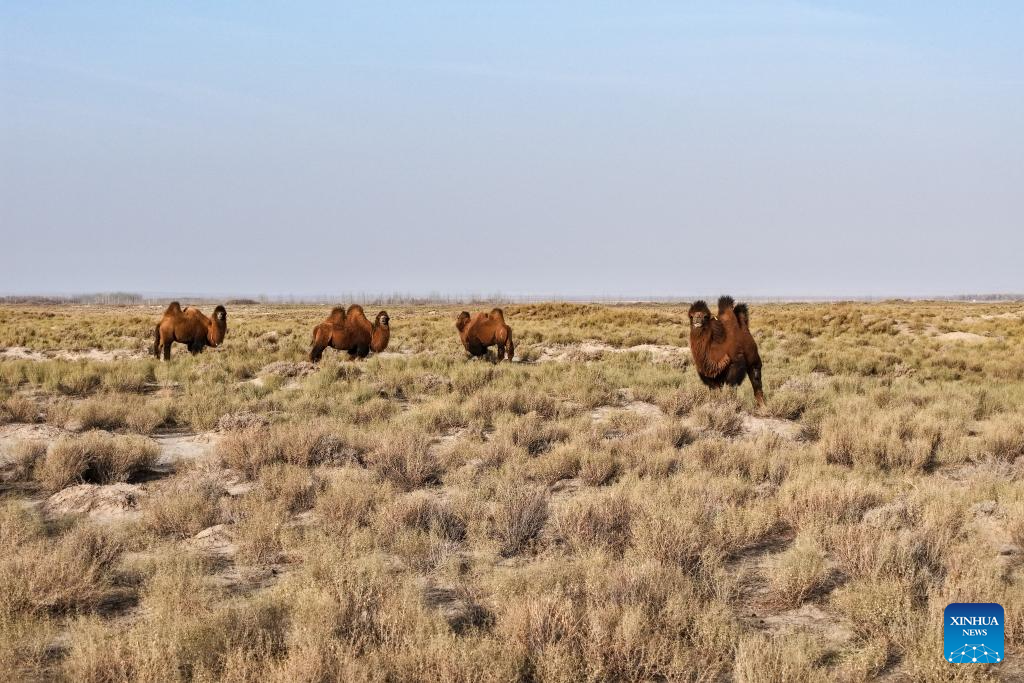
A drone photo taken on Nov. 18, 2025 shows a herd of camels foraging outside the ruins of Suoyang City in Guazhou County, Jiuquan City, northwest China's Gansu Province. Located in the Gobi Desert to the southeast of today's Suoyang Town, the ruins of Suoyang City, which used to play a pivot role in boarder defense and transportation in the olden times, consist of the Suoyang City site, the Ta'er temple, remains of an irrigation canal system, and a group of tombs.
The site of Suoyang City is also one of the constituent locations of the Routes Network of Chang'an-Tianshan Corridor of the Silk Road inscribed on the UNESCO World Heritage List in 2014. (Xinhua/Lang Bingbing)


