
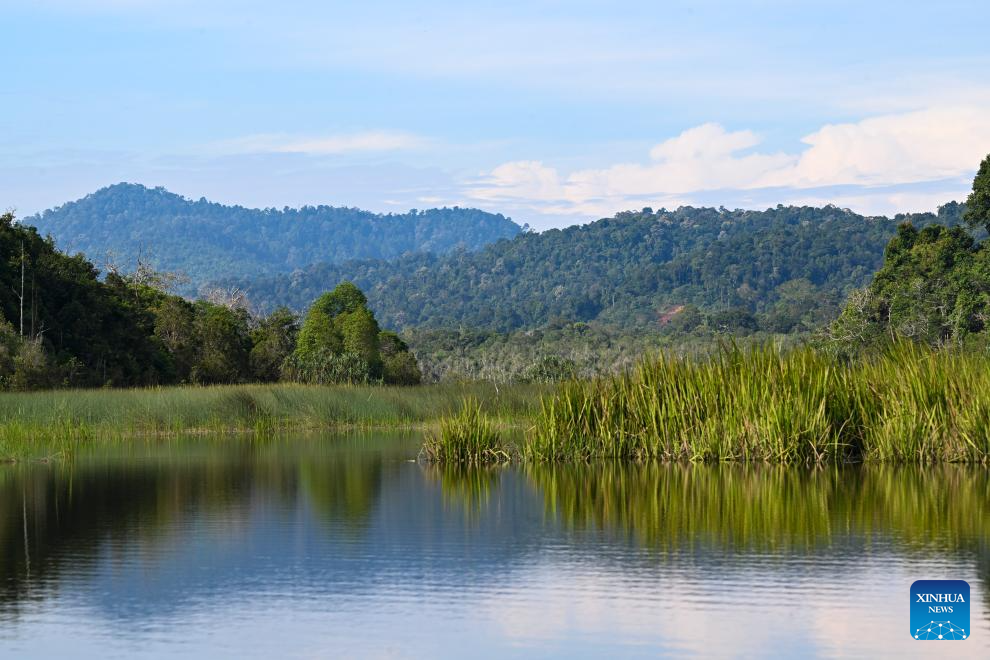
This photo taken on Sept. 4, 2025 shows the view of Tasik Chini Biosphere Reserve in Pahang state, Malaysia.
Nestled in the central-southern state of Pahang, Malaysia, lies Tasik Chini (Chini Lake), the nation's second-largest natural lake. Local lore whispers of ancient Khmer ruins submerged beneath its waters, guarded by a mighty dragon protecting hidden treasures.
In reality, Tasik Chini holds treasures of a different kind: rich biodiversity, serving as a critical habitat for numerous endangered species. Recognized for its ecological significance, Tasik Chini Biosphere Reserve (TCBR) was designated as Malaysia's first UNESCO Biosphere Reserve in 2009.
Deep within the lake region is the village of Tanjung Puput, home to the Jakun people, an indigenous community officially recognized in Malaysia.
From the late 1990s onward, extensive mining and logging activities clouded the waters. The vast lotus beds dwindled, hillsides were stripped bare, fish became unsafe to eat, and even traditional medicinal plants vital to Jakun life grew scarce. The degradation was so severe that Tasik Chini faced the risk of being delisted from the World Network of Biosphere Reserves.
Fortunately, prompted by UNESCO's assessments and recommendations, the Malaysian government intervened. Mining operations around the lake were halted, and a series of ecological restoration projects were initiated.
Among those involved in the recovery efforts is Iquan, a young reserve researcher who also grew up by this lake. Choosing to return and contribute, he now works on lotus rejuvenation and sapling cultivation, frequently collaborating with the Jakun community. Iquan emphasizes that the Jakun people are active partners in Tasik Chini's revival. They nurture saplings, which are then purchased by the government for reforestation projects in denuded areas. Thus, the Jakun are not merely guardians of tradition but have become crucial drivers of ecological recovery.
In 2023, the UNESCO International Coordinating Council of the Man and the Biosphere Programme officially confirmed that Tasik Chini would retain its Biosphere Reserve status. This decision stands as a testament to the progress made in restoration and an endorsement of the path integrating conservation with sustainable development. (Xinhua/Cheng Yiheng)
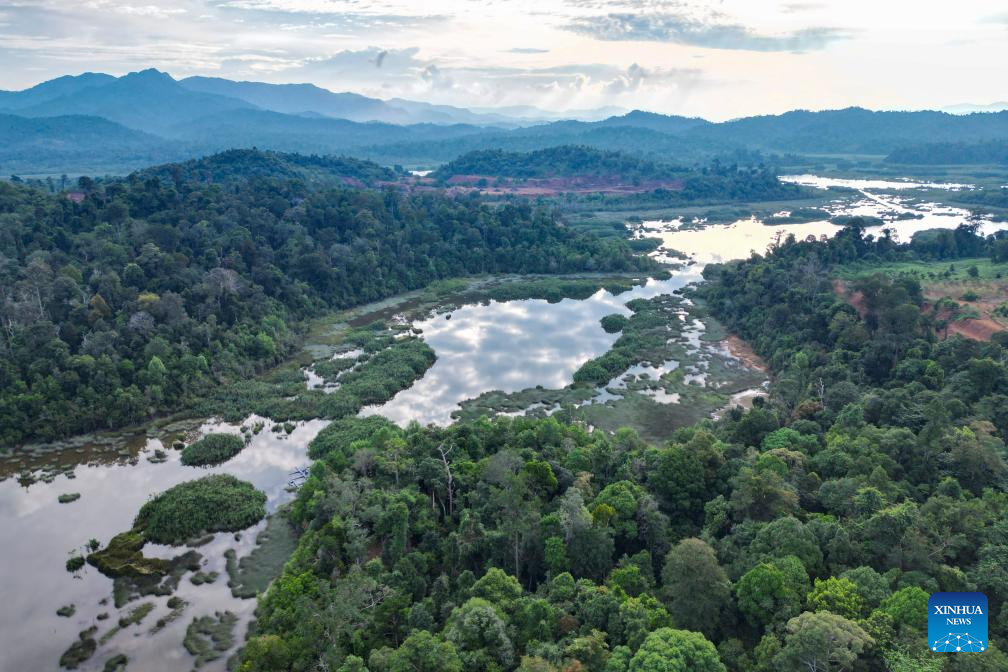
An aerial drone photo taken on Sept. 3, 2025 shows the view of Tasik Chini Biosphere Reserve in Pahang state, Malaysia. (Xinhua/Cheng Yiheng)

An aerial drone photo taken on Sept. 3, 2025 shows the view of Tasik Chini Biosphere Reserve in Pahang state, Malaysia. (Xinhua/Cheng Yiheng)
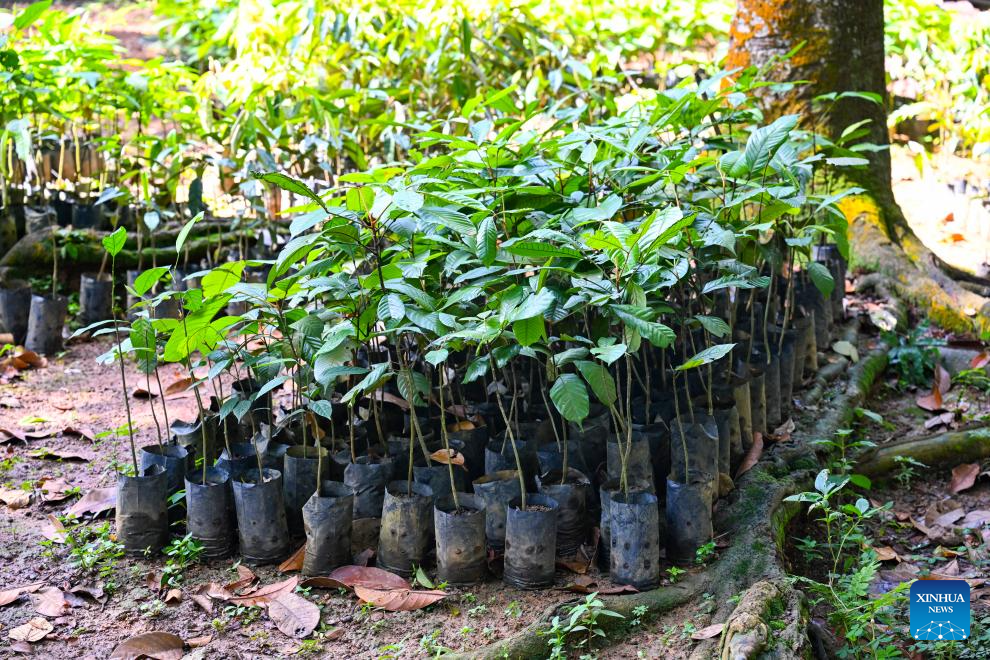
Saplings cultivated by Jakun villagers are seen in Tanjung Puput village in Tasik Chini Biosphere Reserve in Pahang state, Malaysia, Sept. 4, 2025. (Xinhua/Cheng Yiheng)
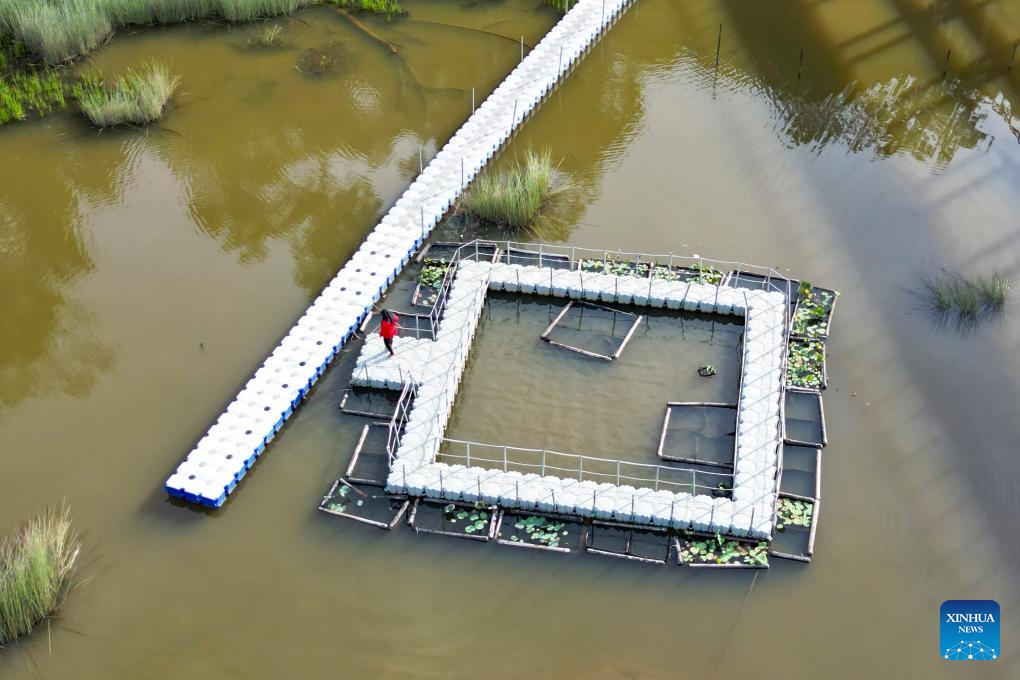
An aerial drone photo taken on Sept. 3, 2025 shows a base for artificially cultivated lotus flowers in Tasik Chini Biosphere Reserve in Pahang state, Malaysia. (Xinhua/Cheng Yiheng)

A Jakun mother and her child walk in Tanjung Puput village in Tasik Chini Biosphere Reserve in Pahang state, Malaysia, Sept. 4, 2025. (Xinhua/Cheng Yiheng)
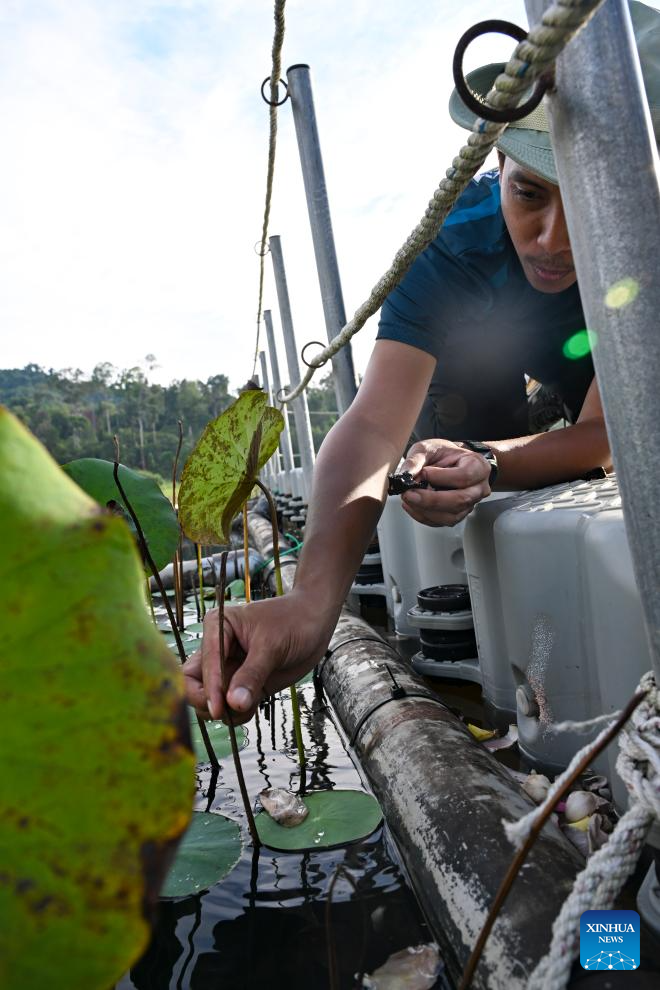
Researcher Iquan takes care of his lotus in Tasik Chini Biosphere Reserve in Pahang state, Malaysia, Sept. 3, 2025. (Xinhua/Cheng Yiheng)
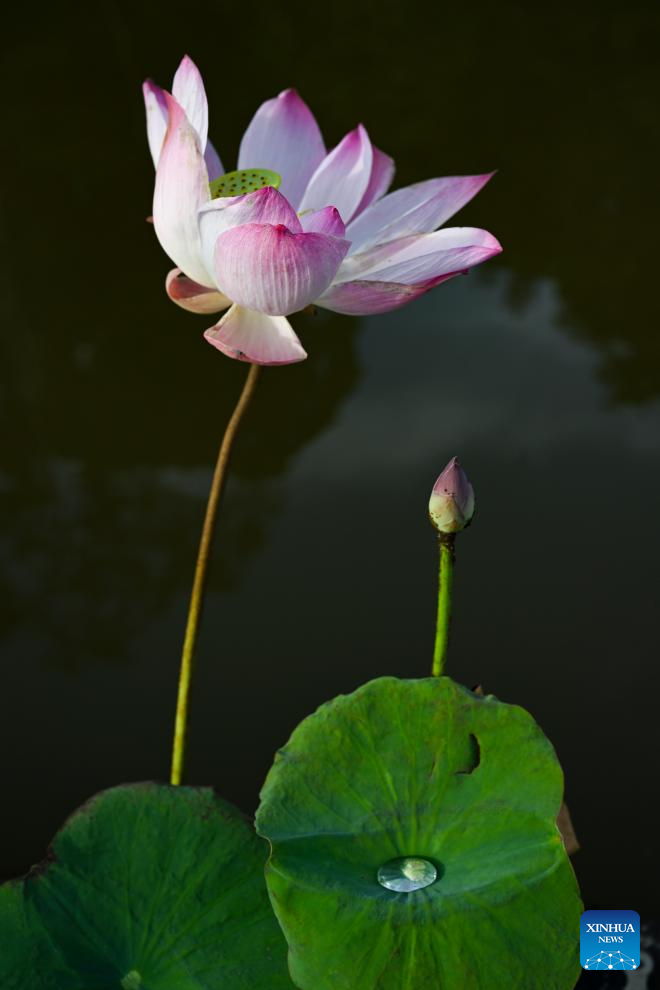
This photo taken on Sept. 3, 2025 shows an artificially cultivated lotus flower in Tasik Chini Biosphere Reserve in Pahang state, Malaysia. (Xinhua/Cheng Yiheng)


