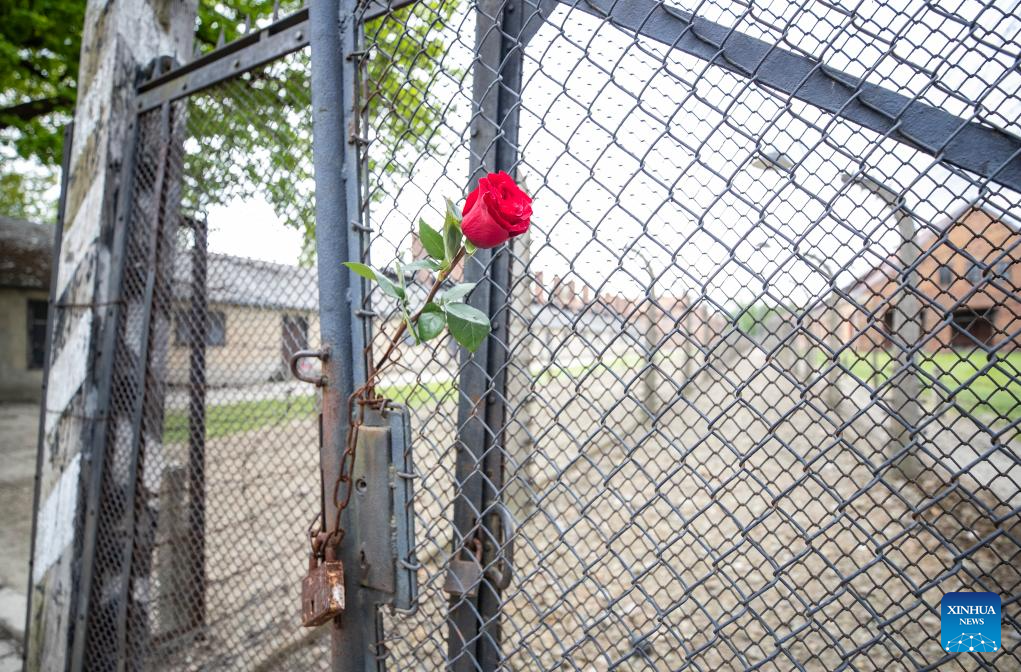
This photo taken on May 6, 2025 shows a view inside the former site of the Auschwitz Birkenau German Nazi Concentration and Extermination Camp in south Poland.
The Auschwitz Birkenau German Nazi Concentration and Extermination Camp was established by the German Nazis in 1940, in the suburbs of the Polish city of Oswiecim, 300 km from the capital Warsaw.
Comprising over 40 camps and sub-camps, it was the biggest of the more than 1,000 concentration camps built by the Third Reich during the World War II. At least 1.1 million people were killed there.
The camp was liberated by the Soviet Army on Jan. 27, 1945, a date now recognized globally as International Holocaust Remembrance Day. (Xinhua/Zhang Fan)
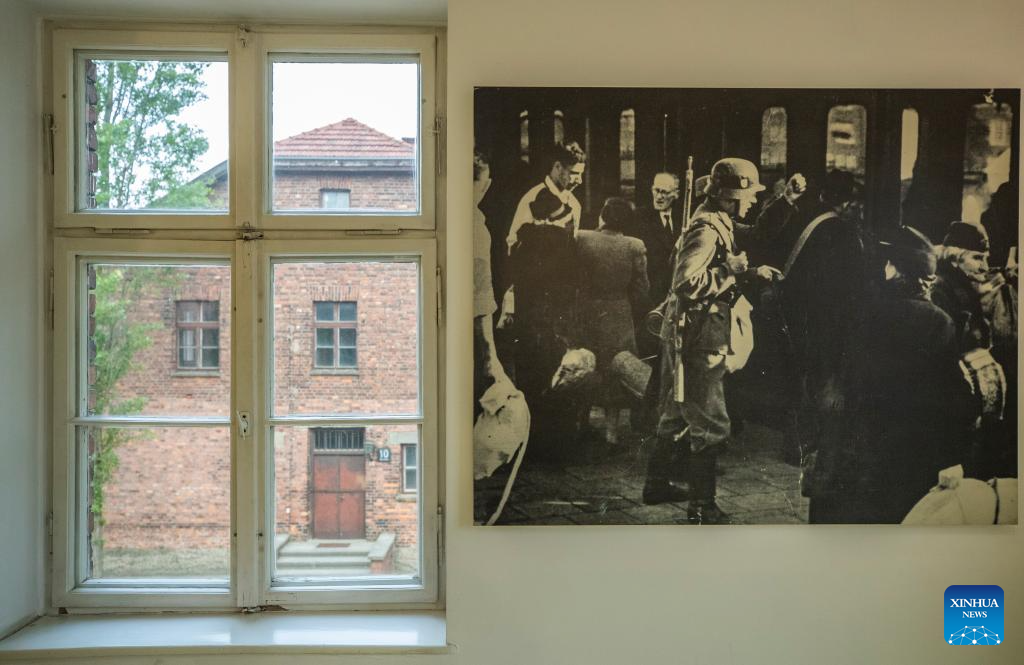
This photo taken on May 6, 2025 shows a view inside the former site of the Auschwitz Birkenau German Nazi Concentration and Extermination Camp in south Poland.
The Auschwitz Birkenau German Nazi Concentration and Extermination Camp was established by the German Nazis in 1940, in the suburbs of the Polish city of Oswiecim, 300 km from the capital Warsaw.
Comprising over 40 camps and sub-camps, it was the biggest of the more than 1,000 concentration camps built by the Third Reich during the World War II. At least 1.1 million people were killed there.
The camp was liberated by the Soviet Army on Jan. 27, 1945, a date now recognized globally as International Holocaust Remembrance Day. (Xinhua/Zhang Fan)
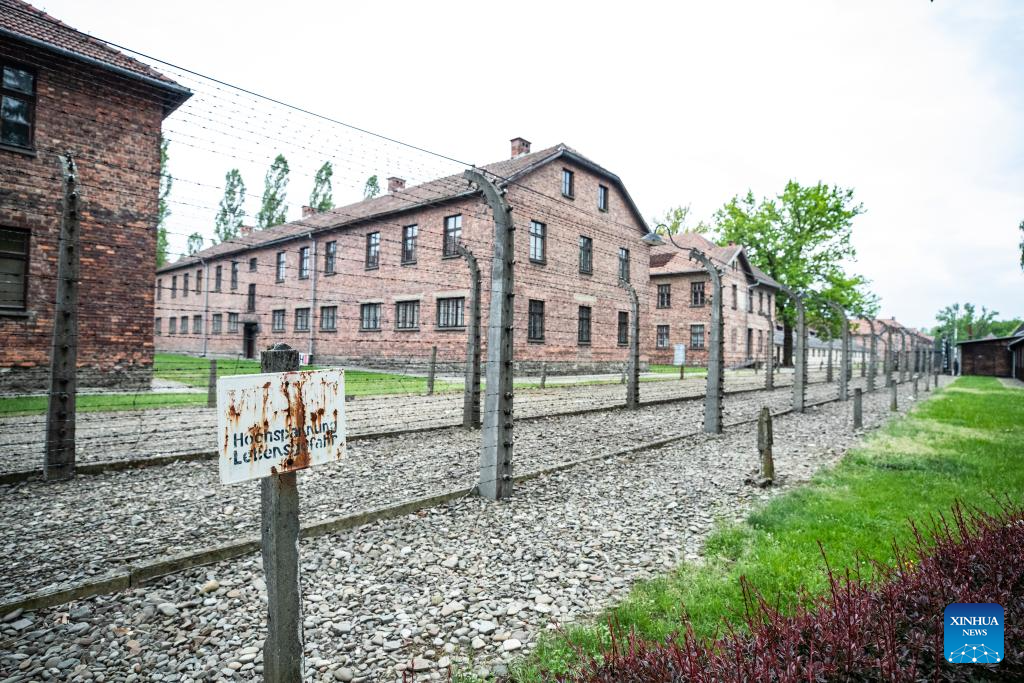
This photo taken on May 6, 2025 shows a view inside the former site of the Auschwitz Birkenau German Nazi Concentration and Extermination Camp in south Poland.
The Auschwitz Birkenau German Nazi Concentration and Extermination Camp was established by the German Nazis in 1940, in the suburbs of the Polish city of Oswiecim, 300 km from the capital Warsaw.
Comprising over 40 camps and sub-camps, it was the biggest of the more than 1,000 concentration camps built by the Third Reich during the World War II. At least 1.1 million people were killed there.
The camp was liberated by the Soviet Army on Jan. 27, 1945, a date now recognized globally as International Holocaust Remembrance Day. (Xinhua/Zhang Fan)
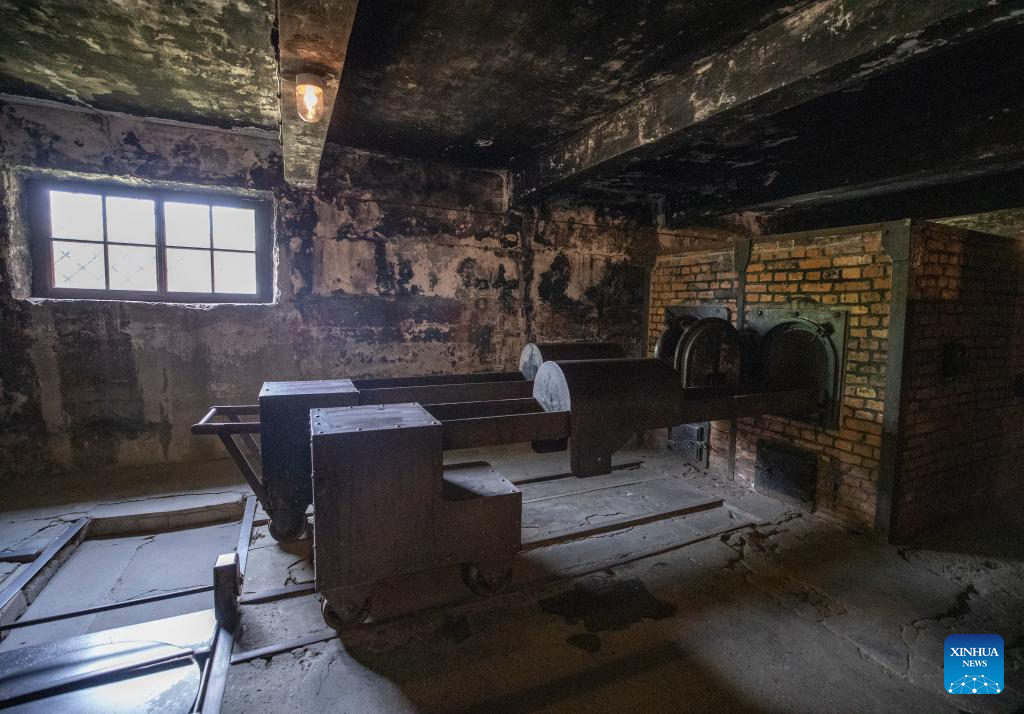
This photo taken on May 6, 2025 shows a view inside the former site of the Auschwitz Birkenau German Nazi Concentration and Extermination Camp in south Poland.
The Auschwitz Birkenau German Nazi Concentration and Extermination Camp was established by the German Nazis in 1940, in the suburbs of the Polish city of Oswiecim, 300 km from the capital Warsaw.
Comprising over 40 camps and sub-camps, it was the biggest of the more than 1,000 concentration camps built by the Third Reich during the World War II. At least 1.1 million people were killed there.
The camp was liberated by the Soviet Army on Jan. 27, 1945, a date now recognized globally as International Holocaust Remembrance Day. (Xinhua/Zhang Fan)
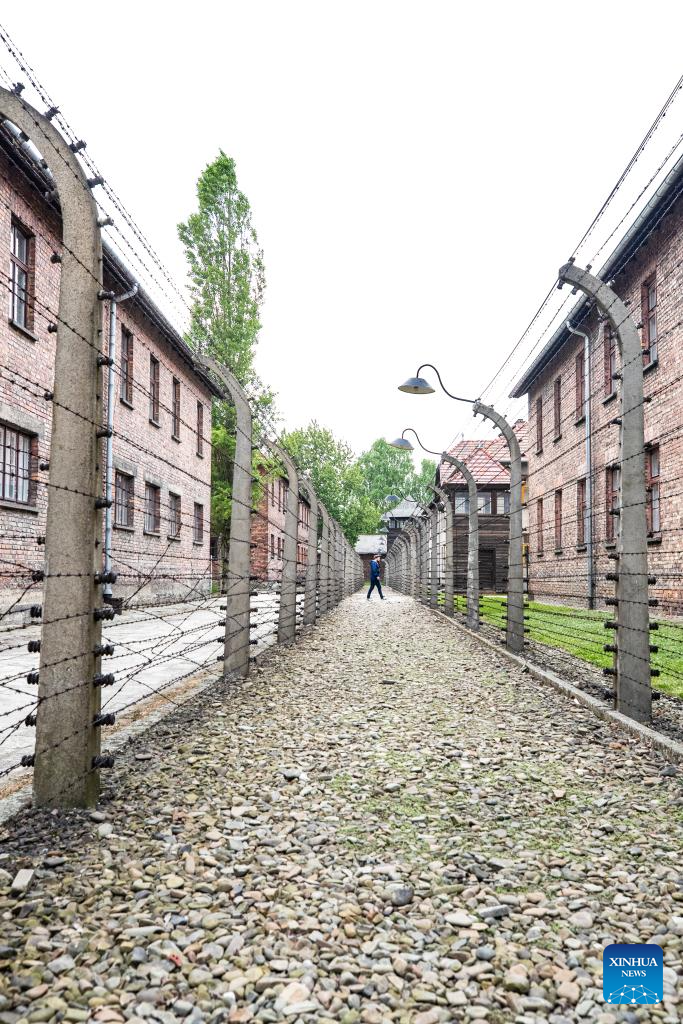
This photo taken on May 6, 2025 shows a view inside the former site of the Auschwitz Birkenau German Nazi Concentration and Extermination Camp in south Poland.
The Auschwitz Birkenau German Nazi Concentration and Extermination Camp was established by the German Nazis in 1940, in the suburbs of the Polish city of Oswiecim, 300 km from the capital Warsaw.
Comprising over 40 camps and sub-camps, it was the biggest of the more than 1,000 concentration camps built by the Third Reich during the World War II. At least 1.1 million people were killed there.
The camp was liberated by the Soviet Army on Jan. 27, 1945, a date now recognized globally as International Holocaust Remembrance Day. (Xinhua/Zhang Fan)
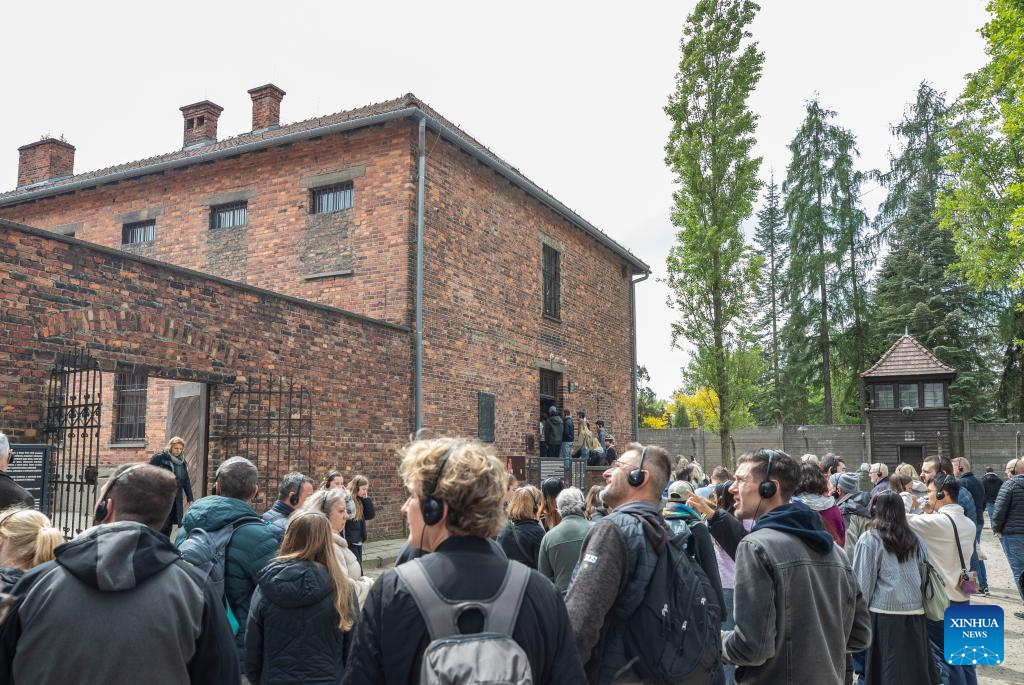
People visit the former site of the Auschwitz Birkenau German Nazi Concentration and Extermination Camp in south Poland, on May 6, 2025.
The Auschwitz Birkenau German Nazi Concentration and Extermination Camp was established by the German Nazis in 1940, in the suburbs of the Polish city of Oswiecim, 300 km from the capital Warsaw.
Comprising over 40 camps and sub-camps, it was the biggest of the more than 1,000 concentration camps built by the Third Reich during the World War II. At least 1.1 million people were killed there.
The camp was liberated by the Soviet Army on Jan. 27, 1945, a date now recognized globally as International Holocaust Remembrance Day. (Xinhua/Zhang Fan)
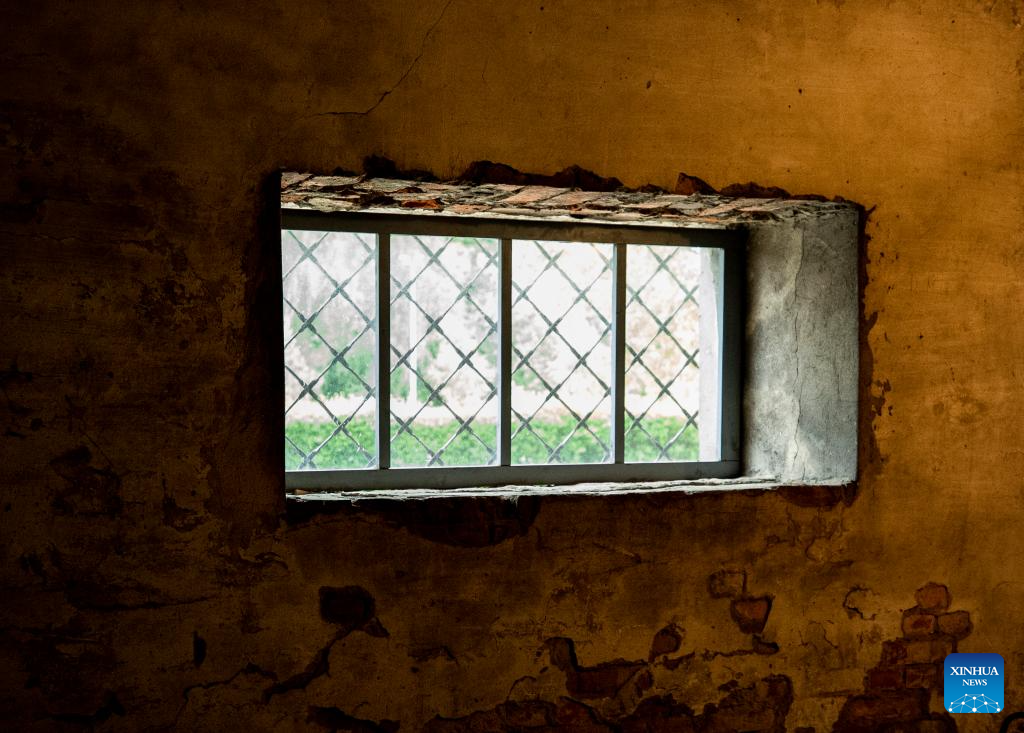
This photo taken on May 6, 2025 shows a view inside the former site of the Auschwitz Birkenau German Nazi Concentration and Extermination Camp in south Poland.
The Auschwitz Birkenau German Nazi Concentration and Extermination Camp was established by the German Nazis in 1940, in the suburbs of the Polish city of Oswiecim, 300 km from the capital Warsaw.
Comprising over 40 camps and sub-camps, it was the biggest of the more than 1,000 concentration camps built by the Third Reich during the World War II. At least 1.1 million people were killed there.
The camp was liberated by the Soviet Army on Jan. 27, 1945, a date now recognized globally as International Holocaust Remembrance Day. (Xinhua/Zhang Fan)
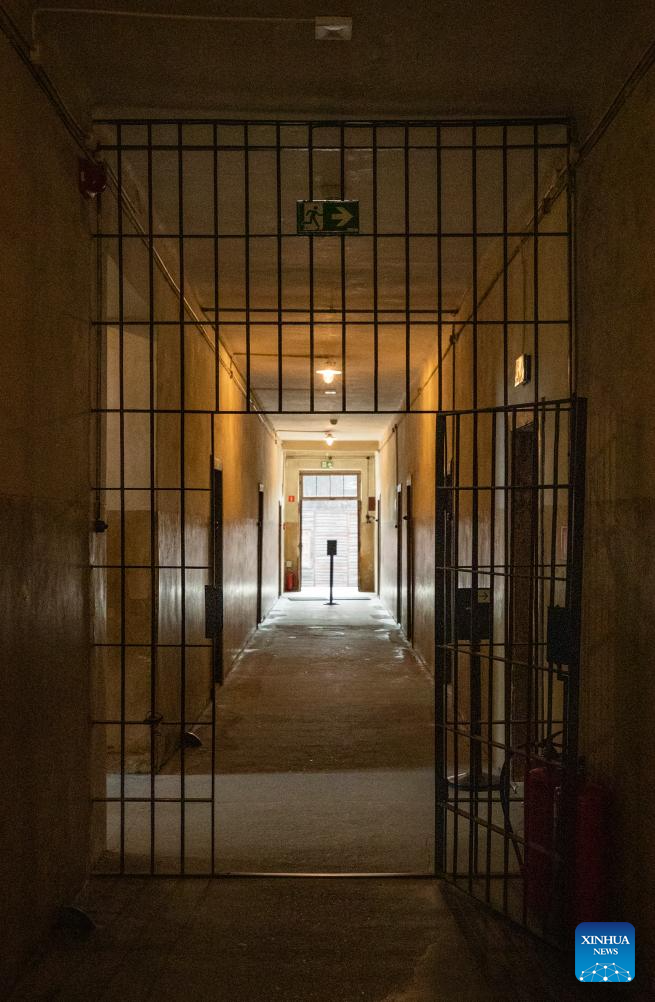
This photo taken on May 6, 2025 shows a view inside the former site of the Auschwitz Birkenau German Nazi Concentration and Extermination Camp in south Poland.
The Auschwitz Birkenau German Nazi Concentration and Extermination Camp was established by the German Nazis in 1940, in the suburbs of the Polish city of Oswiecim, 300 km from the capital Warsaw.
Comprising over 40 camps and sub-camps, it was the biggest of the more than 1,000 concentration camps built by the Third Reich during the World War II. At least 1.1 million people were killed there.
The camp was liberated by the Soviet Army on Jan. 27, 1945, a date now recognized globally as International Holocaust Remembrance Day. (Xinhua/Zhang Fan)
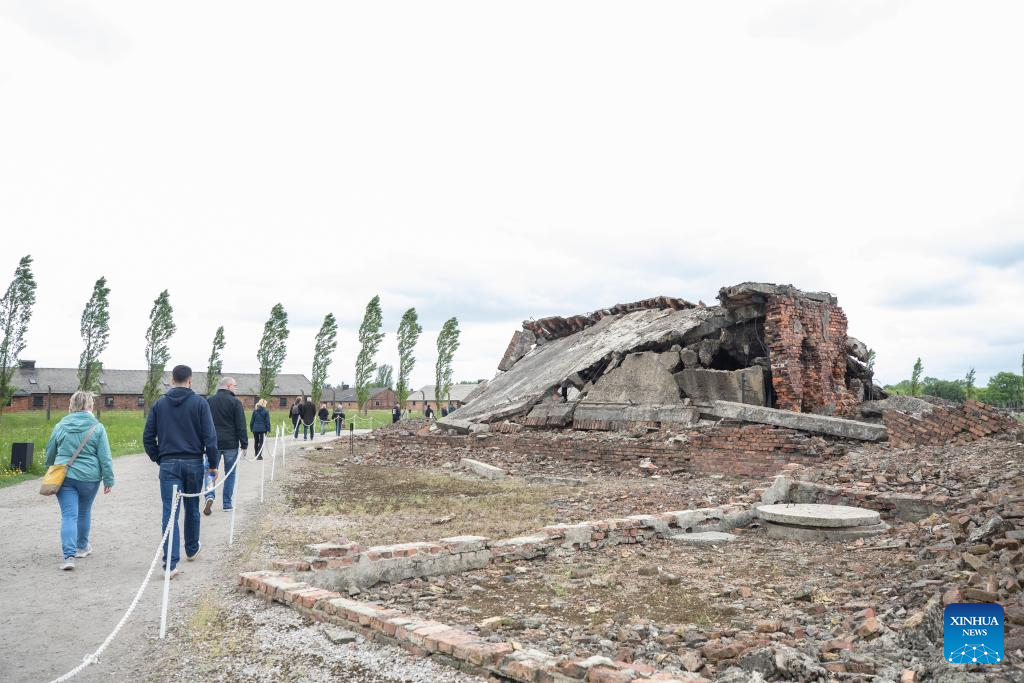
People visit the former site of the Auschwitz Birkenau German Nazi Concentration and Extermination Camp in south Poland, on May 6, 2025.
The Auschwitz Birkenau German Nazi Concentration and Extermination Camp was established by the German Nazis in 1940, in the suburbs of the Polish city of Oswiecim, 300 km from the capital Warsaw.
Comprising over 40 camps and sub-camps, it was the biggest of the more than 1,000 concentration camps built by the Third Reich during the World War II. At least 1.1 million people were killed there.
The camp was liberated by the Soviet Army on Jan. 27, 1945, a date now recognized globally as International Holocaust Remembrance Day. (Xinhua/Zhang Fan)
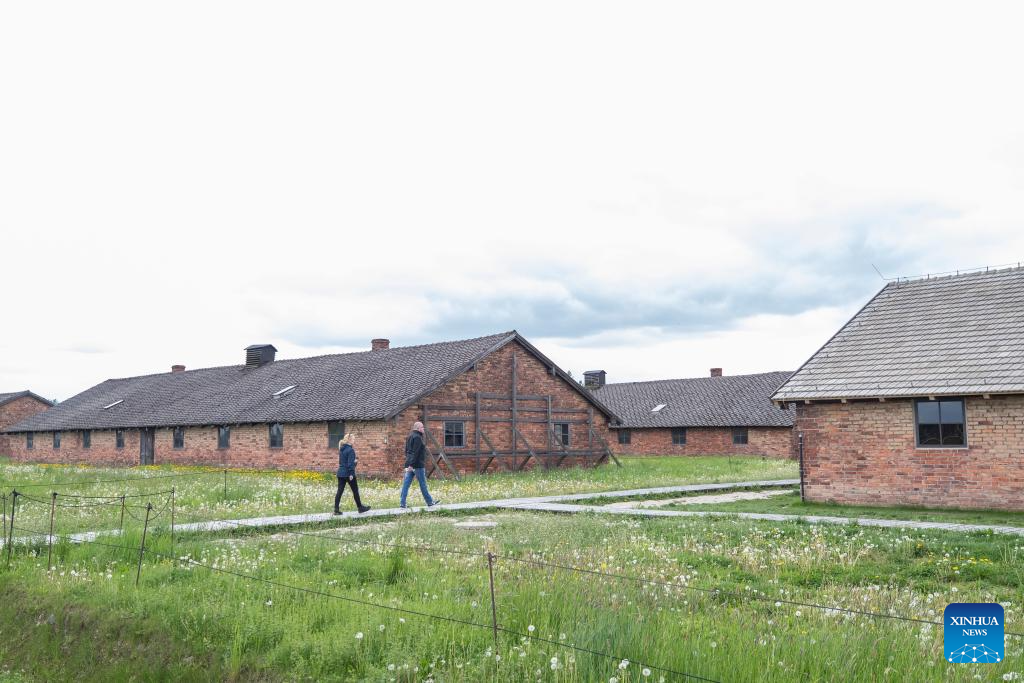
This photo taken on May 6, 2025 shows a view inside the former site of the Auschwitz Birkenau German Nazi Concentration and Extermination Camp in south Poland.
The Auschwitz Birkenau German Nazi Concentration and Extermination Camp was established by the German Nazis in 1940, in the suburbs of the Polish city of Oswiecim, 300 km from the capital Warsaw.
Comprising over 40 camps and sub-camps, it was the biggest of the more than 1,000 concentration camps built by the Third Reich during the World War II. At least 1.1 million people were killed there.
The camp was liberated by the Soviet Army on Jan. 27, 1945, a date now recognized globally as International Holocaust Remembrance Day. (Xinhua/Zhang Fan)
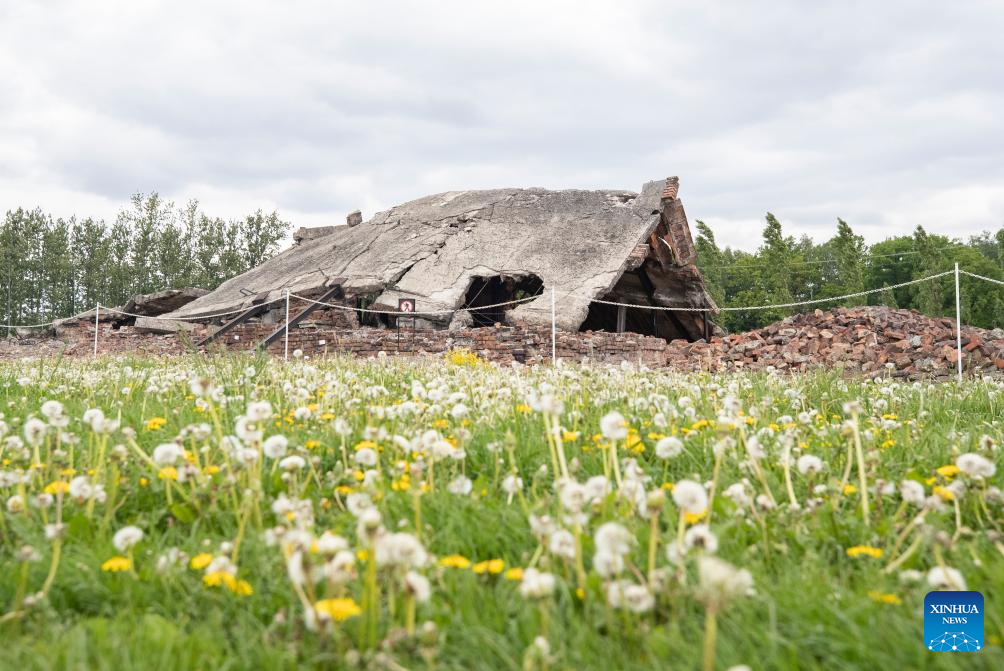
This photo taken on May 6, 2025 shows a view inside the former site of the Auschwitz Birkenau German Nazi Concentration and Extermination Camp in south Poland.
The Auschwitz Birkenau German Nazi Concentration and Extermination Camp was established by the German Nazis in 1940, in the suburbs of the Polish city of Oswiecim, 300 km from the capital Warsaw.
Comprising over 40 camps and sub-camps, it was the biggest of the more than 1,000 concentration camps built by the Third Reich during the World War II. At least 1.1 million people were killed there.
The camp was liberated by the Soviet Army on Jan. 27, 1945, a date now recognized globally as International Holocaust Remembrance Day. (Xinhua/Zhang Fan)
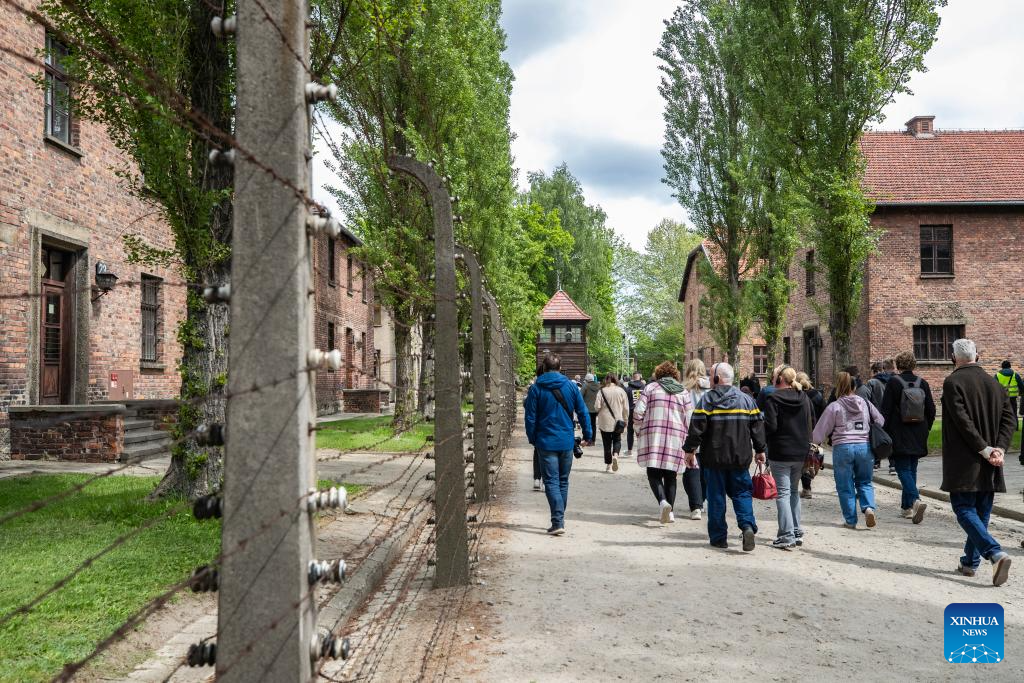
People visit the former site of the Auschwitz Birkenau German Nazi Concentration and Extermination Camp in south Poland, on May 6, 2025.
The Auschwitz Birkenau German Nazi Concentration and Extermination Camp was established by the German Nazis in 1940, in the suburbs of the Polish city of Oswiecim, 300 km from the capital Warsaw.
Comprising over 40 camps and sub-camps, it was the biggest of the more than 1,000 concentration camps built by the Third Reich during the World War II. At least 1.1 million people were killed there.
The camp was liberated by the Soviet Army on Jan. 27, 1945, a date now recognized globally as International Holocaust Remembrance Day. (Xinhua/Zhang Fan)
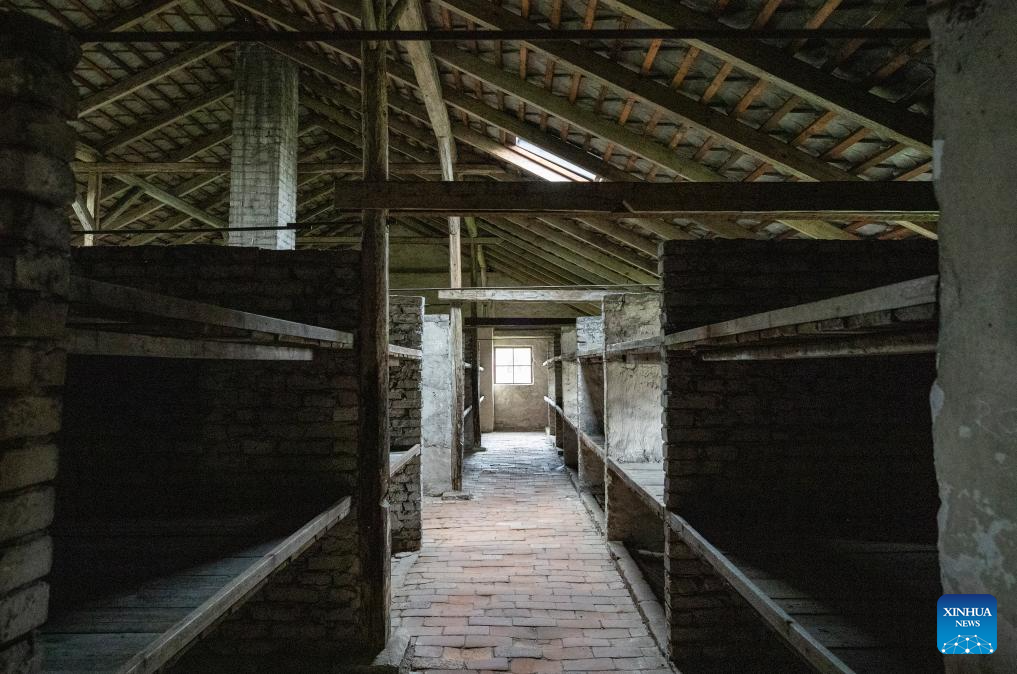
This photo taken on May 6, 2025 shows a view inside the former site of the Auschwitz Birkenau German Nazi Concentration and Extermination Camp in south Poland.
The Auschwitz Birkenau German Nazi Concentration and Extermination Camp was established by the German Nazis in 1940, in the suburbs of the Polish city of Oswiecim, 300 km from the capital Warsaw.
Comprising over 40 camps and sub-camps, it was the biggest of the more than 1,000 concentration camps built by the Third Reich during the World War II. At least 1.1 million people were killed there.
The camp was liberated by the Soviet Army on Jan. 27, 1945, a date now recognized globally as International Holocaust Remembrance Day. (Xinhua/Zhang Fan)
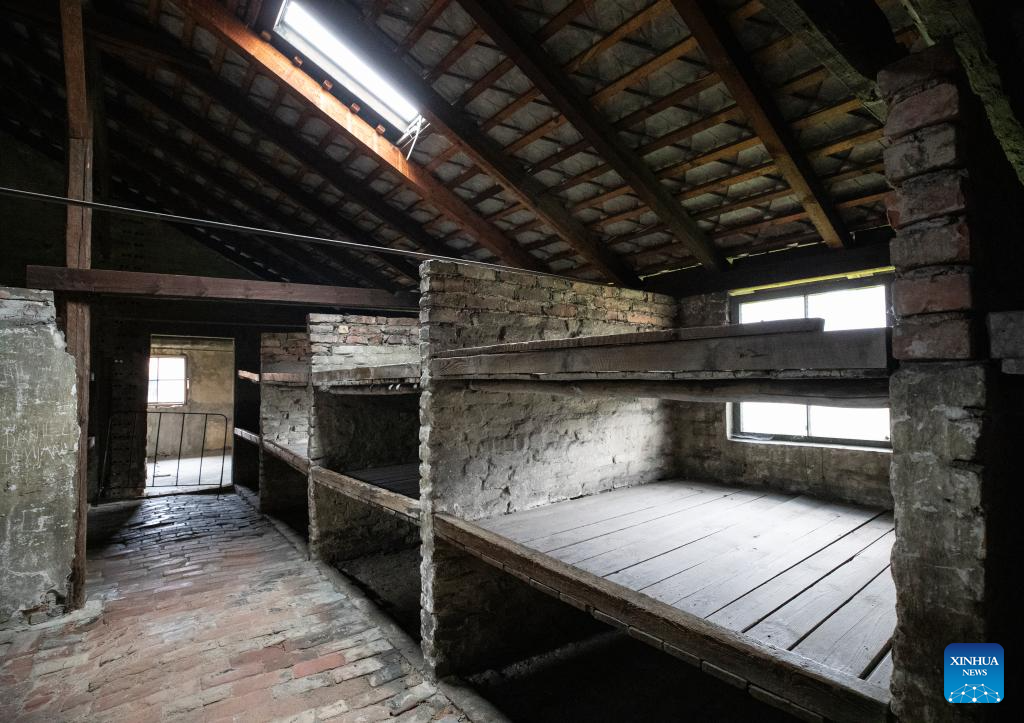
This photo taken on May 6, 2025 shows a view inside the former site of the Auschwitz Birkenau German Nazi Concentration and Extermination Camp in south Poland.
The Auschwitz Birkenau German Nazi Concentration and Extermination Camp was established by the German Nazis in 1940, in the suburbs of the Polish city of Oswiecim, 300 km from the capital Warsaw.
Comprising over 40 camps and sub-camps, it was the biggest of the more than 1,000 concentration camps built by the Third Reich during the World War II. At least 1.1 million people were killed there.
The camp was liberated by the Soviet Army on Jan. 27, 1945, a date now recognized globally as International Holocaust Remembrance Day. (Xinhua/Zhang Fan)
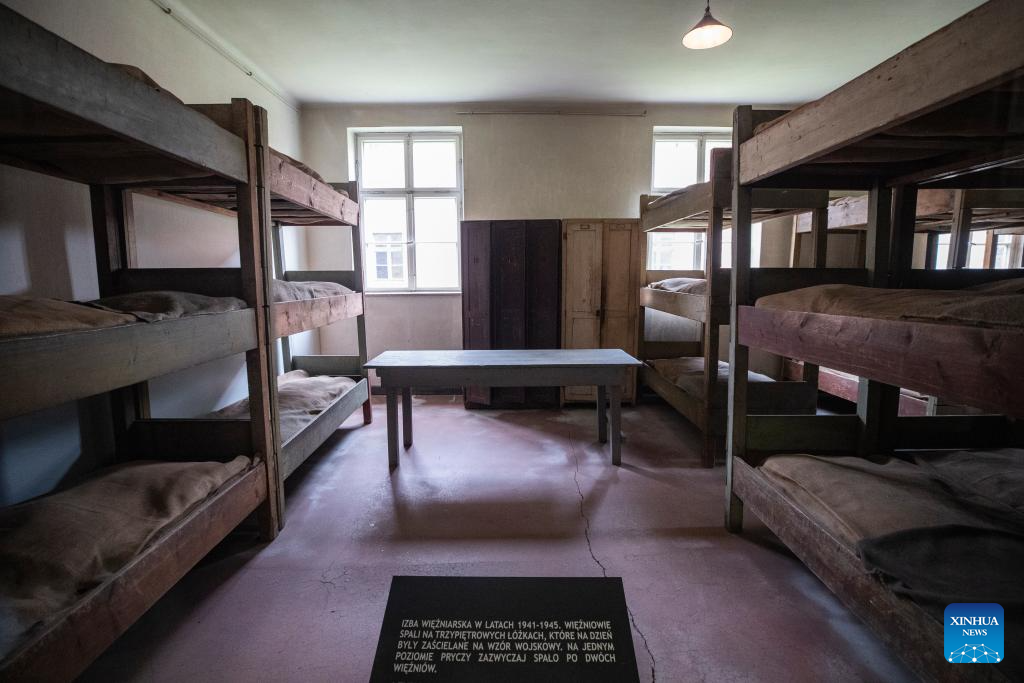
This photo taken on May 6, 2025 shows a view inside the former site of the Auschwitz Birkenau German Nazi Concentration and Extermination Camp in south Poland.
The Auschwitz Birkenau German Nazi Concentration and Extermination Camp was established by the German Nazis in 1940, in the suburbs of the Polish city of Oswiecim, 300 km from the capital Warsaw.
Comprising over 40 camps and sub-camps, it was the biggest of the more than 1,000 concentration camps built by the Third Reich during the World War II. At least 1.1 million people were killed there.
The camp was liberated by the Soviet Army on Jan. 27, 1945, a date now recognized globally as International Holocaust Remembrance Day. (Xinhua/Zhang Fan)
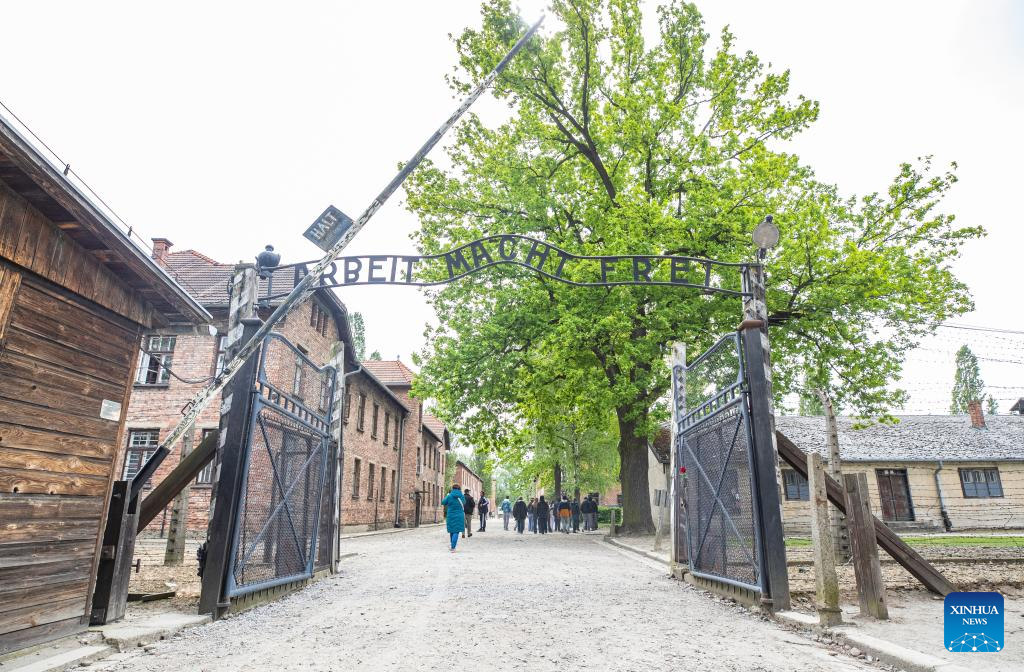
People visit the former site of the Auschwitz Birkenau German Nazi Concentration and Extermination Camp in south Poland, on May 6, 2025.
The Auschwitz Birkenau German Nazi Concentration and Extermination Camp was established by the German Nazis in 1940, in the suburbs of the Polish city of Oswiecim, 300 km from the capital Warsaw.
Comprising over 40 camps and sub-camps, it was the biggest of the more than 1,000 concentration camps built by the Third Reich during the World War II. At least 1.1 million people were killed there.
The camp was liberated by the Soviet Army on Jan. 27, 1945, a date now recognized globally as International Holocaust Remembrance Day. (Xinhua/Zhang Fan)
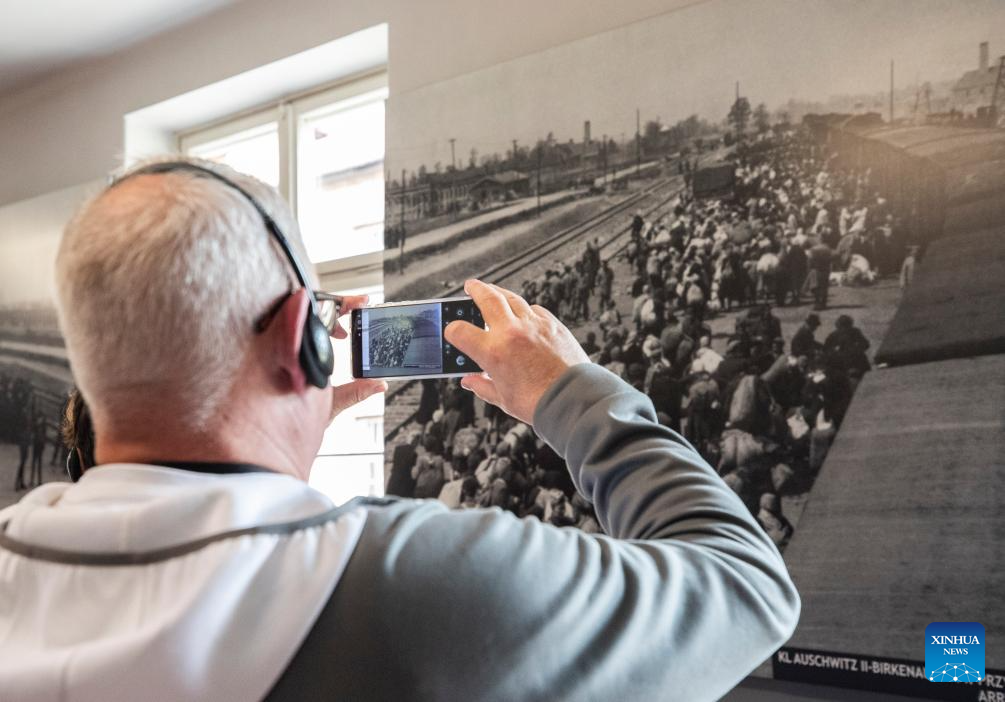
A man takes photos while visiting the former site of the Auschwitz Birkenau German Nazi Concentration and Extermination Camp in south Poland, on May 6, 2025.
The Auschwitz Birkenau German Nazi Concentration and Extermination Camp was established by the German Nazis in 1940, in the suburbs of the Polish city of Oswiecim, 300 km from the capital Warsaw.
Comprising over 40 camps and sub-camps, it was the biggest of the more than 1,000 concentration camps built by the Third Reich during the World War II. At least 1.1 million people were killed there.
The camp was liberated by the Soviet Army on Jan. 27, 1945, a date now recognized globally as International Holocaust Remembrance Day. (Xinhua/Zhang Fan)
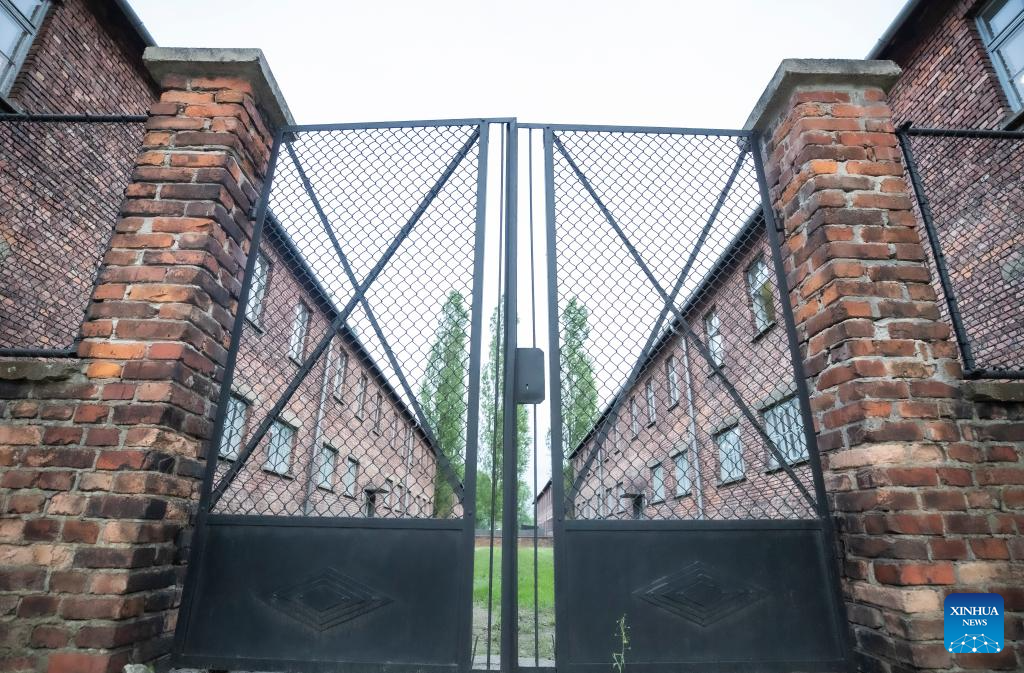
This photo taken on May 6, 2025 shows a view inside the former site of the Auschwitz Birkenau German Nazi Concentration and Extermination Camp in south Poland.
The Auschwitz Birkenau German Nazi Concentration and Extermination Camp was established by the German Nazis in 1940, in the suburbs of the Polish city of Oswiecim, 300 km from the capital Warsaw.
Comprising over 40 camps and sub-camps, it was the biggest of the more than 1,000 concentration camps built by the Third Reich during the World War II. At least 1.1 million people were killed there.
The camp was liberated by the Soviet Army on Jan. 27, 1945, a date now recognized globally as International Holocaust Remembrance Day. (Xinhua/Zhang Fan)


